What Does a German Shepherd Look Like? (Complete Appearance Guide)
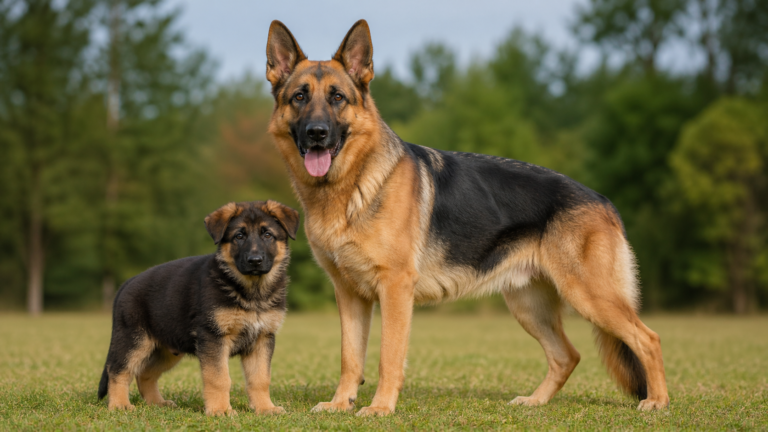
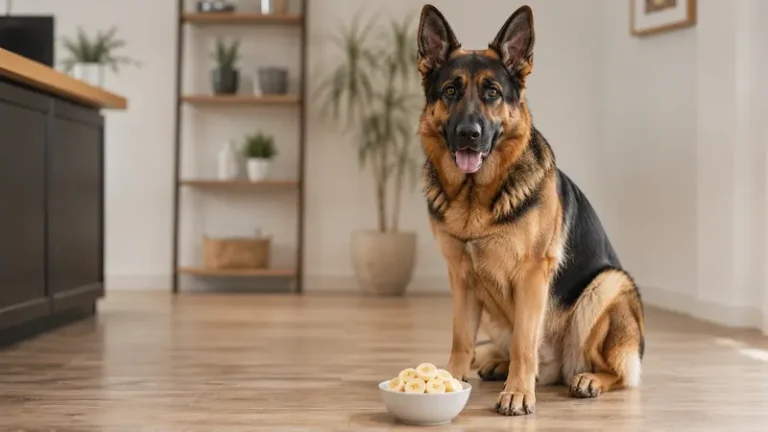
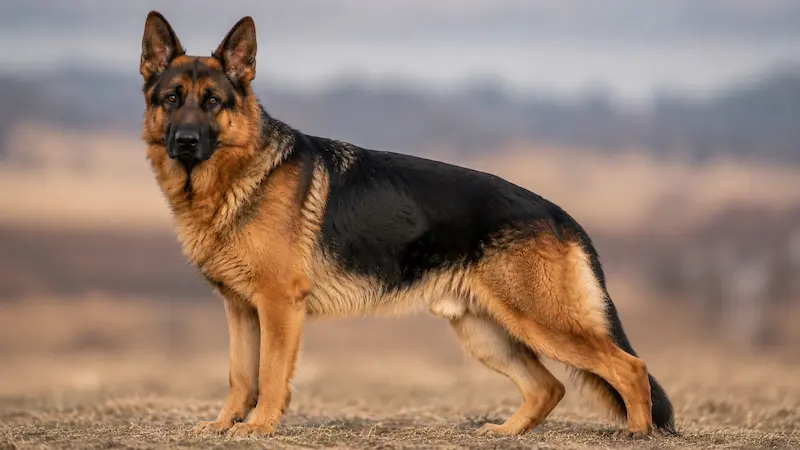
A German Shepherd is a medium-to-large dog with a muscular body, upright ears, intelligent eyes, and a thick double coat. They usually have a wolf-like appearance, a strong build, a bushy tail, and colours such as black-and-tan, sable, or solid black.
This guide explains German Shepherd size, body structure, coat types, colors, puppy development, and how to identify common physical traits.
What Is a German Shepherd?
German Shepherds originated in Germany during the late 1800s, developed by Captain Max von Stephanitz, who wanted to create the perfect working dog. They were originally bred to herd sheep and protect livestock across long distances and rough terrain.
Over time, breeders focused on three core traits: intelligence, strength, and endurance. This combination helped the breed become one of the most versatile working dogs in the world.
Today, German Shepherds commonly serve in:
- Police departments and law enforcement
- Military units around the world
- Search and rescue operations
- Therapy and emotional support services
- Family protection and companionship
Every physical feature of the German Shepherd, from their broad chest to their powerful legs, reflects the purpose they were bred for: speed, power, and long working ability.
What Does a German Shepherd Look Like Physically?
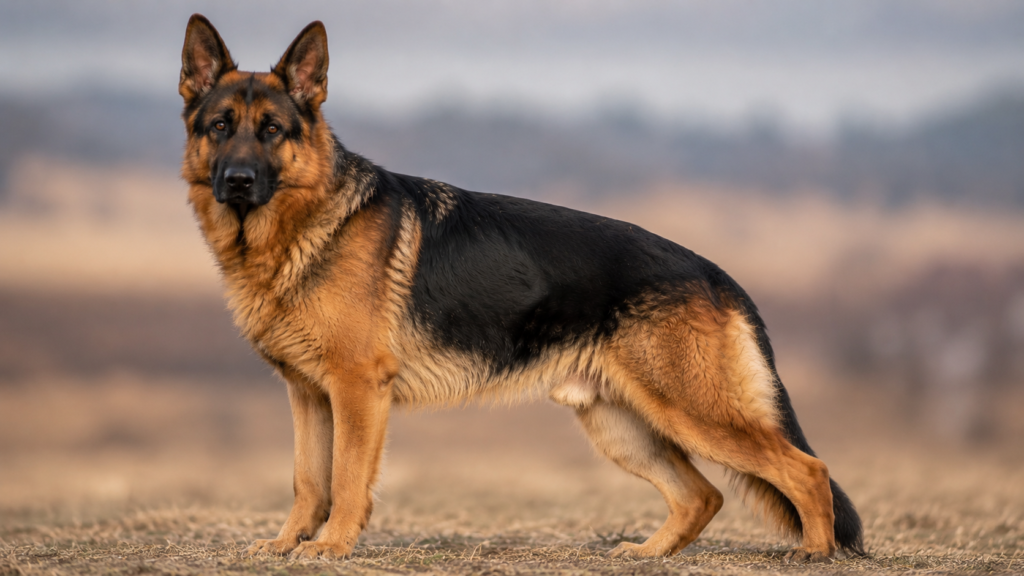
German Shepherds have a balanced and athletic body shape. They look powerful without appearing heavy or bulky. Their overall build gives them a confident, alert, and ready-to-work appearance that sets them apart from most other breeds.
German Shepherd Size and Height:
Adult males are noticeably larger and heavier than females.
| Gender | Height | Weight |
| Male German Shepherd | 24 to 26 inches | 65 to 90 pounds |
| Female German Shepherd | 22 to 24 inches | 50 to 70 pounds |
Their bodies are slightly longer than they are tall, which creates a strong, athletic structure that supports speed and endurance during long working periods.
Head Shape and Facial Features:
One of the reasons people instantly recognize German Shepherds is their face. They often appear serious, focused, and highly alert, even at rest.
Common facial features include:
- Almond-shaped eyes that appear dark, deep, and intelligent
- Long straight muzzle that is proportional to the head
- Black nose that is broad and well-defined
- Strong, clean jawline with a full scissor bite
- Dark facial mask that covers the muzzle and sometimes the forehead
- Highly intelligent expression that owners often describe as almost human-like
Many German Shepherd owners describe their dog’s face as one of the most expressive of any breed. Their eyes in particular can appear deeply focused and emotionally aware, which is one reason they connect so naturally with people.
German Shepherd Ears:
The ears are one of the breed’s most iconic and immediately recognizable features.
Adult German Shepherd ears are:
- Tall and pointed at the tip
- Naturally upright without any assistance
- Forward-facing and mobile, rotating toward sounds
- Proportional to the head, not overly large or small
German Shepherd puppies are born with completely floppy ears. This is normal. During teething, puppy ears may go up and then fall back down again, which often worries new owners. This temporary change happens because the body redirects calcium toward developing teeth.
Most German Shepherd ears begin standing permanently between 8 weeks and 6 months of age. If ears have not stood by 5 months, it is worth consulting a veterinarian, although many ears still rise after this point.
Wondering why some puppy ears stay floppy longer? Read: What Age Do German Shepherd Ears Stand Up?
Body Structure and Athletic Build:
German Shepherds were specifically developed for movement and endurance over long distances. Every part of their body structure supports these demands.
Physical traits include:
- Broad, deep chest that supports strong lung capacity
- Strong, muscular shoulders built for pulling and endurance
- Lean, tucked waist that allows efficient movement
- Powerful, well-angled hindquarters that drive forward movement
- Bushy, slightly curved tail carried low when relaxed
- Balanced overall posture that appears alert and purposeful
One important distinction worth knowing: Working-line German Shepherds typically have straighter, more level backs built for endurance and physical work. Show-line German Shepherds often display a more noticeable back slope that has been selectively bred for appearance in the show ring. This difference is one of the most debated topics among German Shepherd enthusiasts today.
Growth changes body shape over time. Read: What Age Is a German Shepherd Fully Grown?
German Shepherd Appearance Overview:
| Feature | Appearance |
| Body Type | Muscular and athletic |
| Ears | Upright and pointed |
| Eyes | Almond-shaped and dark |
| Tail | Bushy and slightly curved |
| Coat | Dense double coat |
| Back (Working Line) | Straight and level |
| Back (Show Line) | Sloped and angled |
| Build | Strong, balanced, slightly longer than tall |
Want to see the official breed standard and appearance traits? Check the American Kennel Club German Shepherd Dog Breed Guide for detailed physical characteristics and recognized breed features.
German Shepherd Coat Types:
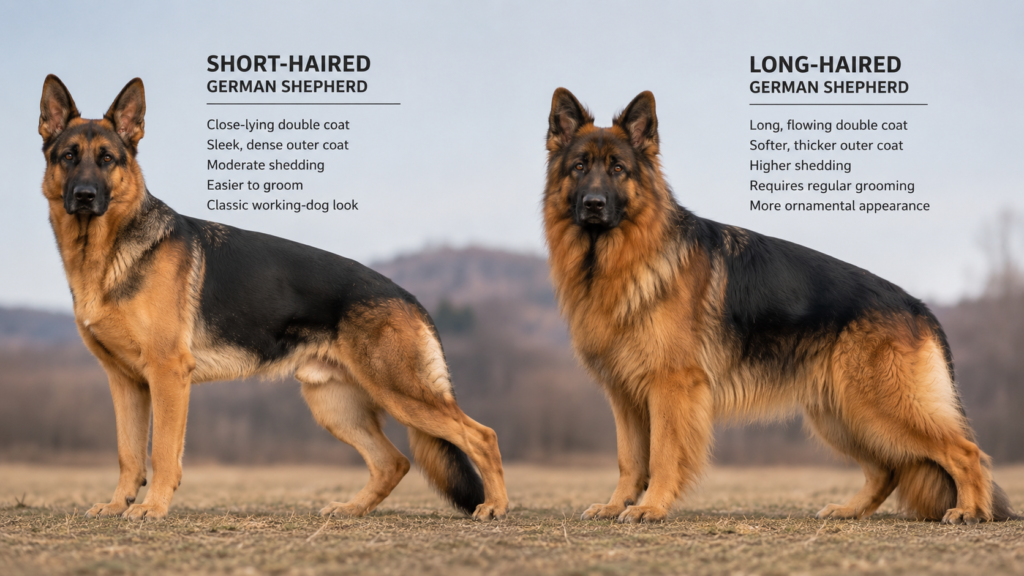
German Shepherds have a double coat specifically designed to protect them from cold weather, rain, wind, and rough outdoor conditions.
The coat consists of two layers:
- Dense, straight outer coat that repels water and debris
- Soft, thick undercoat that provides insulation
This breed sheds throughout the entire year and experiences two heavy shedding periods annually, commonly called blowing the coat. During these periods, shedding becomes very heavy, and regular grooming becomes essential.
Short-Haired German Shepherd:
The short-haired German Shepherd is the most common and widely recognized coat type.
- Dense, straight fur that lies close to the body
- A traditional working appearance is preferred by most breed standards
- Easier grooming and maintenance
- Clean, athletic look that highlights muscle structure
Most official kennel clubs, including the American Kennel Club, recognize the short-haired coat as the breed standard.
Long-Haired German Shepherd
Long-haired German Shepherds have a noticeably softer and more flowing appearance that many people find striking.
- Thick, feathered fur around the neck and chest
- Longer fur that flows around the legs and ears
- Fuller, more dramatic tail appearance
- Softer facial framing that adds to the wolf-like look
Many people prefer long-haired German Shepherds because they look more elegant and closely resemble wolves in appearance. However, this coat type is less common and not always accepted in formal show competitions, depending on the kennel club.
Common German Shepherd Colors:
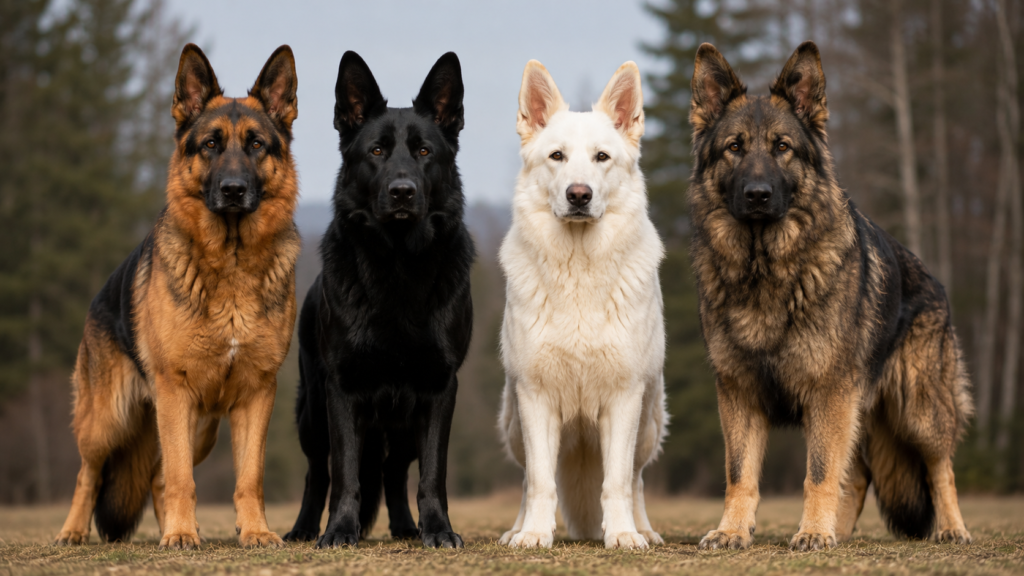
German Shepherds come in several recognized coat colors, each with its own distinct visual character.
Black and Tan German Shepherd:
This is the classic, most widely recognized color combination and what most people picture when they think of the breed.
- Black saddle pattern across the back and upper body
- Rich tan coloring on the legs, chest, and face
- Black facial mask over the muzzle
- Clear, defined contrast between the two colors
Black and tan is by far the most common color seen in both working and show German Shepherds worldwide.
Solid Black German Shepherd:
Solid black German Shepherds have completely black coats with no secondary color present. This coloring is less common than black and tan but is fully recognized.
- Deep, uniform black coat from head to tail
- Often described as appearing more powerful and intense
- Same body structure and build as standard German Shepherds
- Striking and dramatic visual presence
Solid black German Shepherds result from a recessive gene and are not rare, but they are less common than the classic black and tan pattern.
White German Shepherd
White German Shepherds have cream to snow-white coats that give them a completely different visual appearance while maintaining the same breed structure.
- Light fur ranging from pure white to pale cream
- Dark, expressive eyes that contrast against the light coat
- Identical body structure to standard German Shepherds
- Often described as gentle and elegant in appearance
It is important to note that white coloring in German Shepherds is caused by a masking gene, not albinism. White German Shepherds have normal pigmentation in their eyes and nose.
Sable German Shepherd:
Sable German Shepherds are considered by many to be the most wolf-like in appearance of all color variations.
What makes Sable unique:
- Each hair contains multiple shades, typically black at the tip, fading to tan or gray at the base
- Creates a rich, textured, layered appearance across the entire coat
- Coloring can range from light silver-sable to deep dark sable
- Puppies often change dramatically in color as they mature
Sable is actually the original, most natural coloring of the German Shepherd and remains highly sought after in working-line breeding programs.
What Does a German Shepherd Puppy Look Like?
German Shepherd puppies change very rapidly during their early weeks and months, and their appearance at birth looks quite different from what they will become as adults.
At Birth:
Newborn German Shepherd puppies typically have:
- Completely closed eyes that open around 10 to 14 days
- Soft, short fur that may not yet show final coloring
- Small, compact bodies
- Fully floppy ears that will not begin rising for weeks
- Rounded, soft facial features
As They Grow (8 Weeks to 6 Months)
As puppies mature through their early months:
- Legs become longer and often appear disproportionately large
- Muzzle lengthens and sharpens into the adult shape
- Ears begin the process of standing upright
- Coat colors begin to clarify and define
- Muscle structure starts developing with activity
German Shepherd puppies often go through an awkward phase between 4 and 7 months, where different parts of the body grow at different speeds. Ears may be up one week and flopped the next. Paws may look enormous compared to the body. This is completely normal and part of healthy development.
Male vs Female German Shepherd Appearance:
While both sexes share the same general breed characteristics, there are clear visual differences between males and females.
Male German Shepherd:
Male dogs generally appear:
- Larger head with more masculine, pronounced features
- Broader, deeper chest that appears more powerful
- Taller and heavier overall body structure
- Heavier muscle mass, especially around the neck and shoulders
- More imposing and dominant visual presence
Female German Shepherd:
Females typically appear:
- Smaller and more refined in overall build
- Slimmer body frame with a more agile appearance
- More delicate facial features with a slightly narrower head
- Lighter muscle structure while still appearing athletic
- Often described as more graceful in movement and build
Both male and female German Shepherds make equally capable working dogs and companions. The size difference does not reflect any difference in intelligence or trainability.
German Shepherd vs Similar Dog Breeds:
German Shepherd vs Belgian Malinois:
These two breeds are often confused, especially in police and military working contexts.
- Belgian Malinois are notably slimmer and lighter in build
- German Shepherds have significantly thicker, denser coats
- German Shepherds are generally larger and heavier
- Malinois have a shorter, fawn-colored coat with a black mask
- German Shepherds have a more wolf-like, substantial appearance
German Shepherd vs Siberian Husky:
These breeds share some surface similarities but are visually quite distinct up close.
- Huskies frequently have blue or bi-colored eyes; German Shepherds almost always have dark brown eyes
- Huskies have tightly curled tails; German Shepherds have straight, bushy tails
- Huskies have rounder, fluffier facial features
- German Shepherds appear more muscular, angular, and serious in expression
- Huskies have a distinctly different coat pattern with more dramatic markings
Grooming and Coat Maintenance:
German Shepherds shed throughout the year and blow their coat heavily twice annually, usually in spring and fall. During these periods, daily brushing is often necessary to manage the volume of loose fur.
For regular coat maintenance:
- Brush 3 to 4 times per week, minimum
- Use an undercoat rake or deshedding tool during heavy shedding periods
- Bathe only when genuinely needed to preserve natural coat oils
- Check ears regularly for debris and moisture
- Trim nails every 3 to 4 weeks or as needed
Consistent grooming not only keeps the coat healthy and reduces shedding around the home but also allows owners to check their dog’s skin, ears, and overall physical condition regularly.
FAQ’s
What color are most German Shepherds?
Black and tan is by far the most common color combination seen in the breed worldwide.
Do all German Shepherds have black masks?
Most German Shepherds carry a black facial mask, but some lighter-colored dogs, particularly white or pale sable individuals, may have a less visible or absent mask.
Are German Shepherds large dogs?
Yes, German Shepherds are classified as large working dogs by all major kennel clubs.
Are long-haired German Shepherds rare?
They are less common than the standard short-haired variety and not always accepted in show competitions, but they are not exceptionally rare and can be found from reputable breeders.
Do German Shepherds always have dark eyes?
Yes, German Shepherds have dark brown eyes as a breed standard. Light or blue eyes are not typical and are considered a fault in formal competitions.
Conclusion:
The German Shepherd is one of the most physically distinctive and recognizable dog breeds in the world. Their powerful, athletic body, naturally upright ears, intelligent dark eyes, and dense double coat create an appearance that is both elegant and purposeful.
Whether short-haired or long-haired, black and tan, solid black, white, or sable, every German Shepherd carries the same balanced structure and alert presence that has made the breed trusted for demanding work across generations.
Understanding what a German Shepherd looks like, and why they look that way, helps future owners set accurate expectations and gives anyone a deeper appreciation for how form and function come together in this remarkable breed.