How Often Do German Shepherds Have To Be Fed? (Powerful Guide)
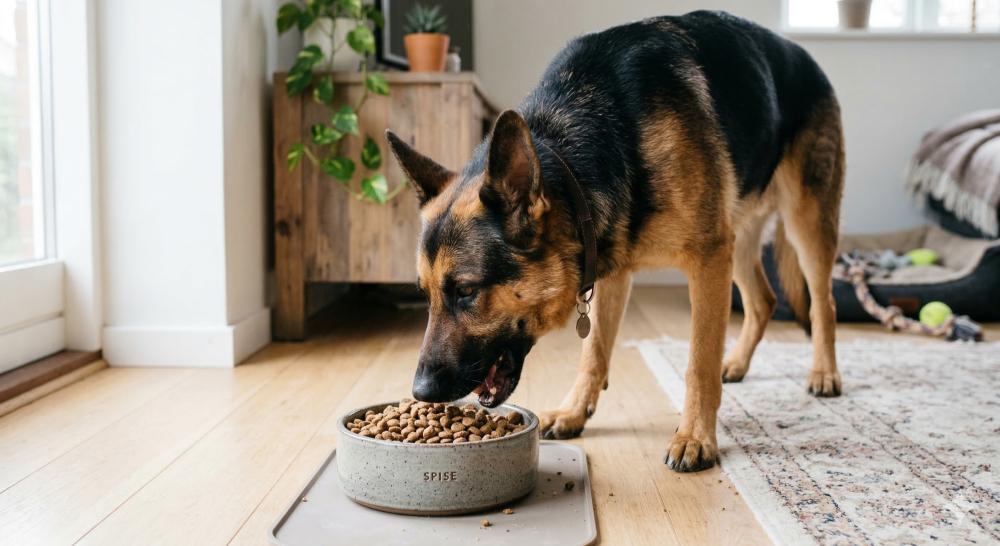
Adult German Shepherds should be fed twice a day, while puppies need three to four meals daily, depending on their age. Feeding your German Shepherd on a consistent schedule with high-quality food supports healthy growth, digestion, energy levels, and overall long-term health.
In this guide, you will learn how often to feed a German Shepherd at every life stage, how much food they usually need, and simple feeding tips recommended by veterinarians and experienced breeders.
Quick Feeding Schedule at a Glance
| German Shepherd Age | Recommended Meals Per Day |
|---|---|
| 8 to 12 weeks | 4 meals |
| 3 to 6 months | 3 meals |
| 6 to 12 months | 2 to 3 meals |
| 1 to 7 years | 2 meals |
| 7+ years | 2 smaller meals |
These are general recommendations for healthy German Shepherds. Individual dogs may need a different feeding schedule depending on their activity level, body condition, pregnancy status, or medical conditions.
Understanding German Shepherd Nutritional Needs
German Shepherds are large, energetic working dogs. Originally bred for herding livestock, they are now widely used in police work, military service, search-and-rescue missions, and as loyal family companions. Because of their size and activity level, they need high-quality nutrition that supports strong muscles, healthy joints, and lasting energy.
A complete and balanced diet should include:
- High-quality animal protein
- Healthy fats
- Easily digestible carbohydrates
- Vitamins and minerals
- Fiber
- Plenty of fresh, clean water
According to veterinary experts, a balanced diet is essential for a dog’s long-term health and development.
Protein Supports Muscle Health
Protein is one of the most important nutrients for German Shepherds. It helps build and repair muscles while supporting healthy growth, especially during puppyhood.
Most healthy adult German Shepherds do well with dog food that contains 22% to 30% protein, although exact needs may vary depending on age, activity level, and overall health.
Look for foods that list real meat, such as chicken, beef, lamb, or salmon, as the first ingredient.
Healthy Fats Provide Energy
Healthy fats are another key part of your dog’s diet. They provide concentrated energy and help maintain healthy skin and a shiny coat.
Ingredients rich in Omega-3 and Omega-6 fatty acids can also support brain function, joint health, and reduce inflammation.
Carbohydrates and Fiber Matter Too
Although protein often gets the most attention, carbohydrates also play an important role. They provide steady energy throughout the day, especially for active dogs.
Fiber helps keep the digestive system working properly and supports healthy bowel movements.
Strong Bones Need the Right Nutrients
Large breeds like German Shepherds are more likely to develop joint problems such as hip and elbow dysplasia. Because of this, nutrients like calcium and phosphorus are especially important during growth.
Many premium large-breed dog foods also contain glucosamine and chondroitin, which help support healthy joints as dogs age.
Nutrition Is More Than Just Choosing the Right Food
Many first-time owners focus only on buying premium dog food, but feeding habits are just as important. Even the best food won’t provide maximum benefits if meals are inconsistent or portions are too large.
A regular feeding schedule helps maintain steady energy, supports healthy digestion, and makes it easier to notice changes in your dog’s appetite. If your German Shepherd suddenly starts eating less or skipping meals, it may be one of the first signs that something isn’t quite right.
As your dog grows, both meal size and feeding frequency will change. Puppies need small, frequent meals to support rapid growth, while healthy adults usually thrive on two balanced meals each day.
How Often Do German Shepherds Have To Be Fed by Age
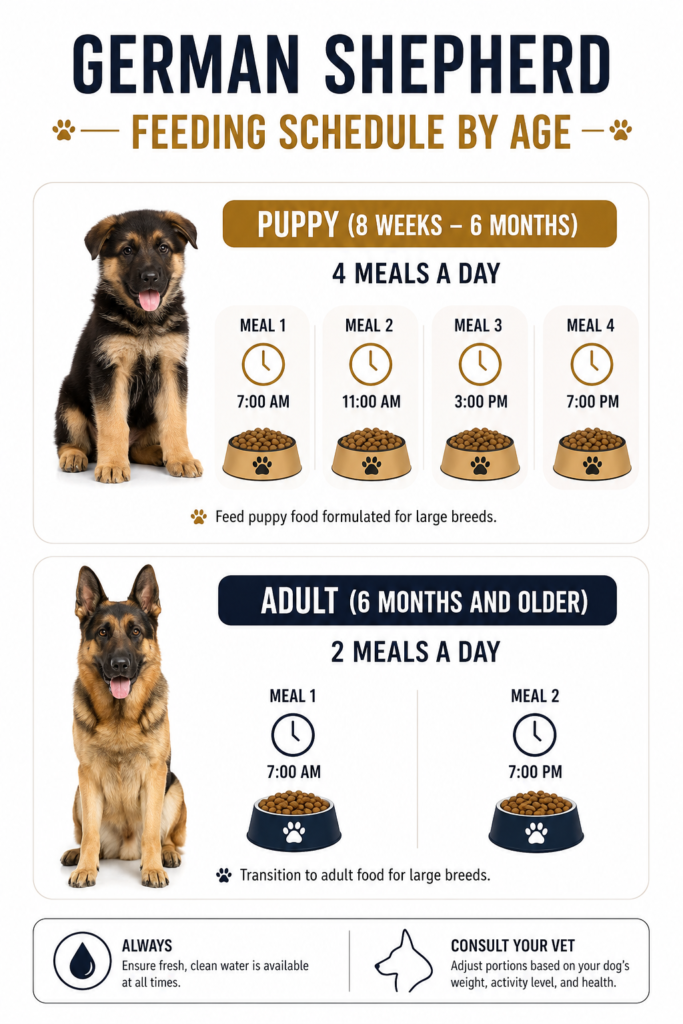
A German Shepherd’s feeding routine changes as they grow. Puppies need frequent meals because they are developing quickly and have small stomachs. As they get older, their growth slows, and they can comfortably eat fewer meals each day.
Following the right feeding schedule at each life stage helps support healthy growth, stable energy levels, and proper digestion.
Feeding German Shepherd Puppies
The first year of a German Shepherd’s life is a period of rapid growth. During this time, puppies burn a lot of energy and need regular meals to meet their nutritional needs.
Because their stomachs are still small, they cannot eat large portions in one sitting. Feeding several smaller meals throughout the day is much easier on their digestive system.
Recommended Puppy Feeding Schedule
| Puppy Age | Meals Per Day |
| 8 to 12 weeks | 4 meals |
| 3 to 6 months | 3 meals |
| 6 to 12 months | 2 to 3 meals |
Choose a high-quality, large-breed puppy food that is specially formulated for controlled growth. These diets provide the right balance of protein, fat, calcium, and phosphorus without encouraging unhealthy weight gain.
Many new owners worry that feeding four times a day might be too much. In reality, the daily food amount stays the same; it is simply divided into smaller meals. This makes digestion easier and helps keep your puppy’s energy levels more stable throughout the day.
It’s also best to avoid free-feeding. Leaving food out all day can encourage overeating and make it harder to monitor your puppy’s appetite. Scheduled mealtimes create healthy eating habits from an early age.
Feeding Adolescent German Shepherds
Between six and twelve months, your German Shepherd will still be growing, but not as rapidly as before. During this stage, their appetite and calorie needs may change depending on their activity level.
Most adolescent German Shepherds do well with:
- Two to three meals each day
This is also the ideal time to begin transitioning toward an adult feeding routine.
Keep an eye on your dog’s body condition instead of relying only on feeding charts. A highly active young dog that enjoys long walks, training sessions, or outdoor play may need slightly larger portions than a less active dog of the same age.
Rather than increasing meal frequency, it’s usually better to adjust portion sizes when extra calories are needed.
Feeding Adult German Shepherds
Once a German Shepherd reaches adulthood, two meals a day are generally the healthiest and most practical feeding schedule.
Serving one meal in the morning and another in the evening helps maintain consistent energy levels while preventing excessive hunger between meals.
Splitting the daily food allowance into two portions may also reduce digestive stress compared with serving one very large meal.
Although some healthy adult dogs can eat once a day without problems, most veterinarians recommend feeding twice daily. Smaller, scheduled meals are easier to digest and fit naturally into a dog’s daily routine.
If you are wondering how often a healthy adult German Shepherd should be fed, the answer is usually twice a day, unless your veterinarian recommends a different schedule for medical reasons.
Signs Your German Shepherd Is Eating the Right Amount
Instead of focusing only on measuring food, watch your dog’s overall body condition.
Healthy signs include:
- A visible waist when viewed from above.
- Ribs that can be felt without excessive fat covering them.
- Consistent energy throughout the day.
- A shiny coat and healthy skin.
- Firm, well-formed stools.
If your German Shepherd is gaining weight rapidly, always seems hungry, or starts losing weight unexpectedly, adjust portion sizes gradually and consult your veterinarian before making major dietary changes.
Feeding Senior German Shepherds
German Shepherds are generally considered seniors at around seven years of age, although this can vary slightly between individual dogs.
As dogs grow older, they often become less active and burn fewer calories than they did in their younger years. Their feeding schedule usually stays the same, but portion sizes sometimes need adjustment.
Most senior German Shepherds continue to do well with:
- Two smaller meals each day
Many owners also switch to a senior dog food that is designed to support aging dogs.
These formulas often include:
- Fewer calories to help maintain a healthy weight
- Joint-support ingredients such as glucosamine and chondroitin
- Easily digestible protein sources
- Added fiber for digestive health
Older dogs should have regular veterinary checkups because changes in appetite, weight, or digestion can sometimes be linked to underlying health conditions rather than age alone.
Why Feeding Consistency Matters
No matter your German Shepherd’s age, consistency is one of the most important parts of a healthy feeding routine.
Dogs quickly become familiar with regular mealtimes. Feeding at roughly the same times each day supports healthy digestion, helps establish good eating habits, and allows you to notice appetite changes much sooner.
For example, if a dog that normally finishes every meal suddenly refuses food, it may be an early sign that something is wrong. Recognizing these changes early allows you to contact your veterinarian before a minor issue becomes more serious.
Once you’ve established the right feeding frequency for your dog’s age, the next step is making sure you’re serving the correct portion size each day.
Common Feeding Mistakes to Avoid
Even experienced owners sometimes make feeding mistakes that can affect a German Shepherd’s health.
Avoid these common problems:
- Changing dog food too quickly.
- Feeding excessive treats throughout the day.
- Guessing portion sizes instead of measuring meals.
- Offering table scraps regularly.
- Exercising immediately before or after meals, which may increase the risk of bloat.
Keeping meals consistent and measuring portions carefully can help maintain a healthy weight and support long-term digestive health.
FAQ’s:
How often do German Shepherds have to be fed?
Most healthy adult German Shepherds should be fed twice a day, once in the morning and once in the evening. Puppies need more frequent meals because they are growing quickly. Depending on their age, they usually require three to four meals a day.
Is it better to feed a German Shepherd once or twice a day?
Most veterinarians recommend feeding adult German Shepherds twice a day rather than offering one large meal. Splitting daily meals into morning and evening portions helps maintain steady energy levels, supports digestion, and may reduce the risk of digestive discomfort. Unless your veterinarian advises otherwise, two scheduled meals are the preferred routine for healthy adult dogs.
How much food should an adult German Shepherd eat each day?
There is not a single amount that works for every dog. Most healthy adults eat about 3 to 5 cups of high-quality dry food per day. Still, the exact portion depends on factors such as age, body weight, activity level, metabolism, and the calorie content of the food.
Is free-feeding a good idea?
In most cases, no. Leaving food available all day can lead to overeating and make it difficult to notice changes in your dog’s appetite. Feeding at scheduled times gives you better portion control and helps establish healthy eating habits.
What type of food is best for a German Shepherd?
Choose a high-quality dog food made for large breeds. Look for products that list real meat as the first ingredient and provide a balanced mix of protein, healthy fats, vitamins, minerals, and essential nutrients. The best choice may vary depending on your dog’s age and health.
Can I feed my German Shepherd homemade meals?
Yes, but homemade diets should be carefully planned. Dogs need the right balance of nutrients, and it can be difficult to provide everything they need without expert guidance. If you prefer home-cooked meals, ask your veterinarian or a board-certified veterinary nutritionist to help create a balanced diet.
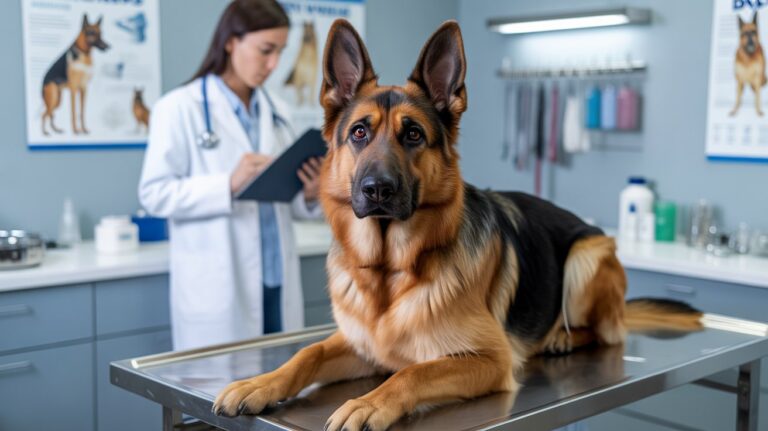
When Should You Talk to a Veterinarian?
Contact your veterinarian if your German Shepherd:
- Suddenly refuses food for more than 24 hours.
- Loses or gains weight without explanation.
- Vomits frequently after eating.
- Has ongoing diarrhea or constipation.
- Shows a major change in appetite or drinking habits.
Changes in eating behavior are sometimes the earliest sign of an underlying medical condition, so they should never be ignored.
Conclusion:
Understanding how often German Shepherds have to be fed is an important part of keeping your dog healthy throughout every stage of life. Puppies need several small meals each day to support their rapid growth, while most healthy adults thrive on two balanced meals served at consistent times.
Feeding the right amount is just as important as feeding at the right time. Choosing a high-quality diet, measuring portions carefully, providing fresh drinking water, and adjusting food based on your dog’s age and activity level can make a big difference in their overall health.
Keep in mind that every German Shepherd is different. Factors such as weight, lifestyle, metabolism, and medical conditions can all affect nutritional needs. Monitoring your dog’s body condition and scheduling regular veterinary checkups will help ensure their feeding routine continues to meet those changing needs.
With a balanced diet, a consistent feeding schedule, and proper care, your German Shepherd can enjoy a healthy, active, and happy life for many years to come.
If you’re planning your dog’s complete nutrition routine, you may also find these guides helpful:
- How Many Calories Does a German Shepherd Need?
- What Is Good Dog Food for a German Shepherd?
- When to Switch a German Shepherd to Adult Food
- How Long Can a German Shepherd Go Without Eating?
Together, these guides will help you build a healthy feeding plan for every stage of your German Shepherd’s life. How Long Can a German Shepherd Go Without Eating?


Great content! Keep up the good work!