How Were German Shepherds Selectively Bred? (History, Traits & Breeding Explained)
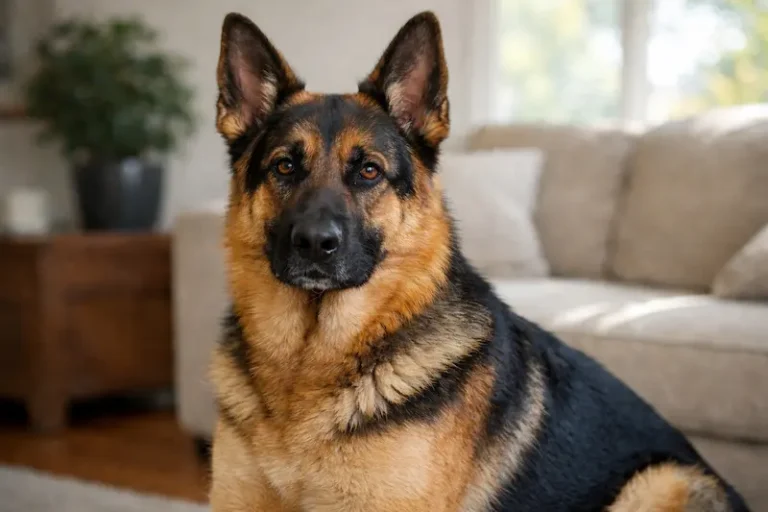
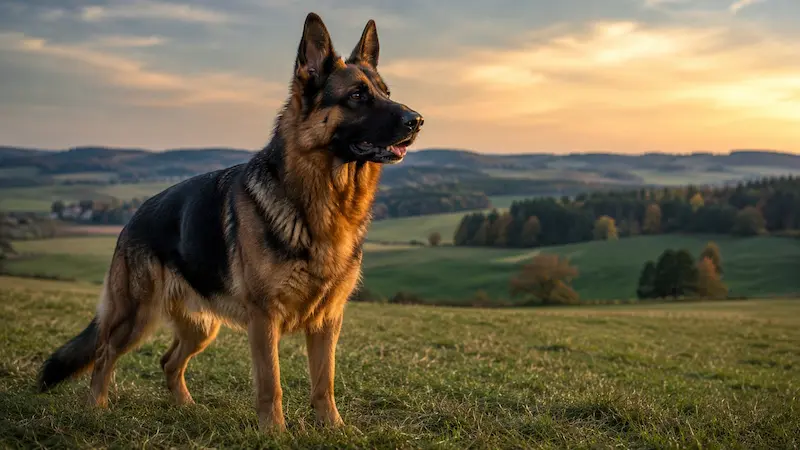
German Shepherds were selectively bred in Germany for intelligence, strength, loyalty, herding ability, and obedience. Breeders carefully chose dogs with strong working skills and calm temperaments to create a versatile breed suitable for herding, police work, military service, protection, and family companionship.
Understanding how German Shepherds were selectively bred helps explain their success as police dogs, military dogs, rescue workers, and trusted family companions around the world.
What Does Selective Breeding Mean?
Selective breeding is the process of choosing animals with desirable traits and breeding them together to strengthen those qualities in future generations.
In dogs, breeders may focus on traits such as:
- Intelligence
- Strength and endurance
- Herding ability
- Protective instincts
- Temperament
- Agility
- Coat type and appearance
Over time, selective breeding creates dogs with more predictable characteristics. Nearly every modern dog breed was developed this way, including the German Shepherd.
Unlike random breeding, selective breeding follows a clear purpose. In the German Shepherd’s case, the original goal was not just appearance. Breeders wanted a highly capable working dog that could think independently, follow commands, and work long hours outdoors.
The Early Origins of German Shepherds:
Herding Dogs in 19th Century Germany:
In the late 1800s, sheep farming played an important role in Germany’s economy. Farmers needed dependable dogs that could guide and protect flocks across large areas of land.
At the time, different regions of Germany had their own local herding dogs. Some were fast and agile, while others were stronger and more protective. However, there was no single standardized breed.
These early shepherd dogs varied in:
- Size
- Coat type
- Color
- Temperament
- Working ability
The idea of combining the best qualities from these dogs eventually led to the creation of the German Shepherd breed.
Max von Stephanitz and the Creation of the Breed:
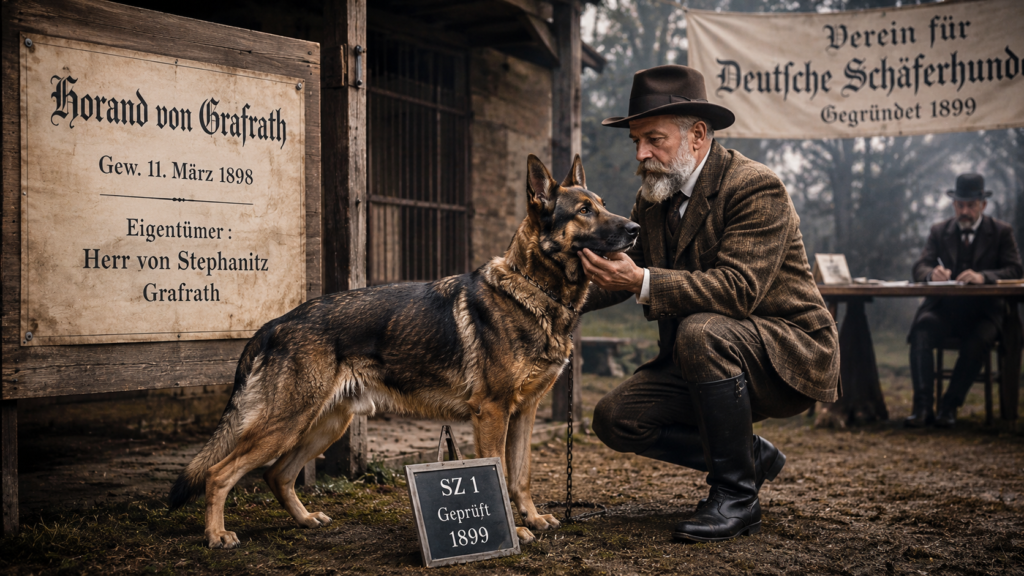
The man most responsible for developing the modern German Shepherd was Max von Stephanitz.
Von Stephanitz believed Germany needed a highly intelligent working dog with discipline, endurance, confidence, and loyalty. He cared far more about functionality than appearance.
In 1899, he attended a dog show and discovered a dog named Horand von Grafrath. Horand had many of the traits Stephanitz wanted:
- Strong body structure
- Sharp intelligence
- Excellent obedience
- Natural herding instincts
- Confidence and alertness
Stephanitz was so impressed that he purchased Horand and used him as the foundation dog of the German Shepherd breed.
That decision changed the future of working dogs forever.
How German Shepherds Were Selectively Bred:
Breeding for Intelligence:
One of the biggest priorities was intelligence. Breeders consistently selected dogs that could:
- Learn commands quickly
- Solve problems independently
- Adapt to new situations
- Follow complex instructions
- Stay focused under pressure
This strong focus on intelligence is one reason German Shepherds remain among the world’s most trainable dog breeds today.
Their ability to learn quickly later made them ideal for police work, military service, and search-and-rescue operations.
German Shepherd intelligence is one reason they excel in advanced training and working roles. You can also explore What Is the IQ of a German Shepherd? for a deeper look at their problem-solving abilities.
Breeding for Herding Ability:
German Shepherds were originally designed to herd and protect sheep. Early breeders favored dogs that showed:
- Natural herding instincts
- Strong focus
- Obedience around livestock
- Calm behavior under pressure
- Physical endurance over long distances
Dogs that lacked these working abilities were usually removed from breeding programs. Over time, this strict selection strengthened the breed’s working instincts generation after generation.
Breeding for Strength and Athleticism:
Early German Shepherds needed to work outdoors for long hours in difficult weather conditions. Because of this, breeders selected dogs with:
- Muscular bodies
- Strong legs and joints
- Speed and agility
- High stamina
- Balanced movement
Their athletic build allowed them to perform physically demanding jobs without tiring easily.
Even today, well-bred German Shepherds are known for their endurance and physical power.
Breeding for Loyalty and Protective Instincts:
Another important goal was loyalty. German Shepherds needed to bond closely with handlers while remaining protective when necessary.
Breeders selected dogs that demonstrated:
- Courage
- Confidence
- Emotional stability
- Controlled protective behavior
- Reliability around humans
Importantly, responsible breeders did not aim for uncontrolled aggression. A properly bred German Shepherd was expected to remain calm, obedient, and disciplined unless a real threat appeared.
This is one of the most misunderstood parts of the breed today.
Breeding for Physical Characteristics:
As the breed became more established, breeders also standardized its appearance.
Traits commonly selected included:
- Upright ears
- Dense double coat
- Long muzzle
- Strong jaw
- Athletic posture
- Bushy tail
The goal was to create a dog that looked powerful while still maintaining excellent working ability.
However, some later show-line breeding programs focused too heavily on appearance. This eventually led to controversy surrounding exaggerated rear angles and sloped backs in certain bloodlines.
The Rise of German Shepherd Working Roles:
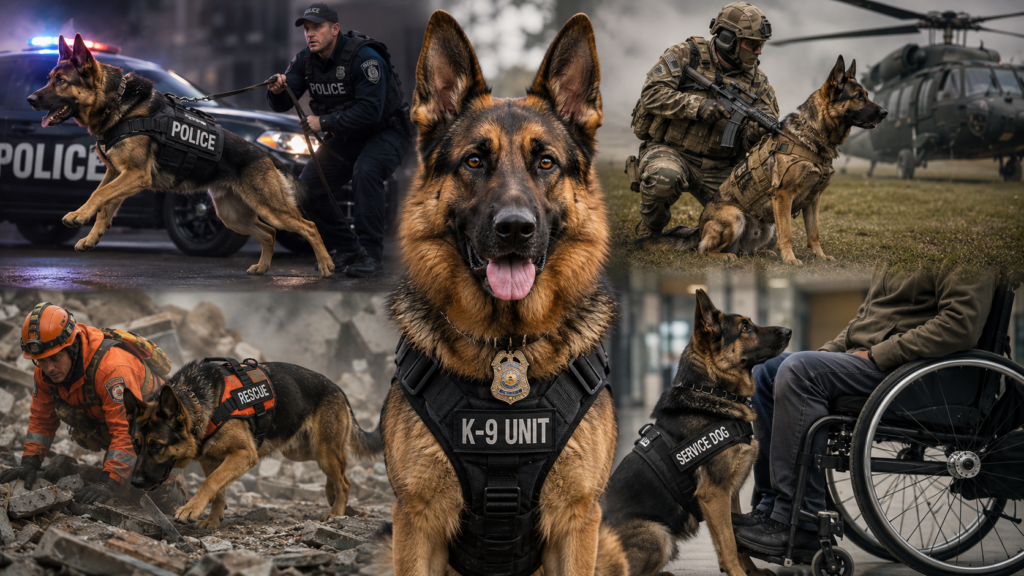
Police and Military Dogs:
By the early 1900s, German Shepherds had already built a reputation as dependable working dogs across Europe.
Their intelligence, obedience, and courage made them ideal for:
- Guard duty
- Criminal tracking
- Patrol work
- Explosive detection
- Military communication roles
During World Wars I and II, German Shepherds served as messenger dogs, rescue dogs, and supply carriers. Their performance during wartime helped spread the breed’s popularity around the world.
Search and Rescue Work:
German Shepherds also became valuable search-and-rescue dogs because of their powerful sense of smell and trainability.
They are commonly used in:
- Disaster response
- Avalanche rescue
- Wilderness tracking
- Missing person searches
Selective breeding for focus, endurance, and scent detection helped strengthen these abilities over time.
Service and Assistance Roles:
Modern German Shepherds are also trained as:
- Guide dogs
- Therapy dogs
- Mobility assistance dogs
- Emotional support animals
Their emotional intelligence and loyalty make them highly effective companions for people with disabilities and special needs.
Working Line vs Show Line German Shepherds:
As the breed became more popular worldwide, different breeding priorities began to appear.
Working Line German Shepherds:
Working-line breeders focus mainly on:
- Intelligence
- Drive
- Athleticism
- Endurance
- Performance
These dogs are commonly used in:
- Police work
- Military service
- Protection sports
- Advanced obedience training
Working-line German Shepherds usually have higher energy levels and stronger working instincts.
Show Line German Shepherds:
Show-line breeders prioritize appearance according to kennel club standards.
These dogs are often bred for:
- Coat quality
- Body structure
- Movement
- Symmetry
Some show lines developed more exaggerated body angles and sloped backs over time, which led to criticism from veterinarians and working-dog enthusiasts.
Critics argue that excessive focus on appearance can reduce physical functionality and increase joint problems.
Health Problems Linked to Selective Breeding:
Selective breeding can improve desirable traits, but poor breeding practices may also increase health risks.
Hip and Elbow Dysplasia:
One of the most common German Shepherd health problems is hip dysplasia.
This joint condition may cause:
- Pain
- Limping
- Arthritis
- Reduced mobility
Because German Shepherds are large, athletic dogs, joint quality became a major concern for responsible breeders.
Today, ethical breeders often use health screening programs to reduce genetic risks.
Joint health remains a major concern in the breed. Learn more in Do German Shepherds Have Hip Problems?
Degenerative Myelopathy:
Degenerative myelopathy is a neurological disease that affects the spinal cord and can eventually lead to paralysis in older dogs.
Modern genetic testing allows breeders to identify carriers and reduce the chances of passing the condition to future puppies.
Digestive and Skin Problems:
Some German Shepherds may also develop:
- Food sensitivities
- Allergies
- Digestive issues
- Skin irritation
Modern breeders increasingly focus on improving long-term health instead of breeding only for appearance.
How Responsible Breeders Improve the Breed Today:
Ethical breeders now combine traditional working standards with modern health science.
Health Testing:
Responsible breeders commonly test for:
- Hip dysplasia
- Elbow dysplasia
- Genetic disorders
- Heart conditions
Health screening helps reduce inherited diseases and improves overall breed quality.
Temperament Evaluation:
Good breeders also pay close attention to personality and behavior.
Dogs selected for breeding should display:
- Confidence
- Stability
- Trainability
- Social behavior
- Controlled protective instincts
Temperament matters just as much as physical appearance.
Balanced Breeding Goals:
Many experts believe the ideal German Shepherd should balance:
- Health
- Intelligence
- Functionality
- Temperament
- Physical structure
Breeding only for appearance or extreme traits can create long-term problems for the breed.
Why German Shepherds Became So Popular Worldwide:
German Shepherds became one of the world’s most admired breeds because selective breeding created a dog capable of excelling in many environments.
They are valued for their:
- Intelligence
- Adaptability
- Loyalty
- Courage
- Versatility
Unlike some breeds developed for narrow purposes, German Shepherds can succeed as both working dogs and loyal family companions when properly trained and socialized.
Their combination of physical strength and mental sharpness remains difficult to match even today.
Common Misconceptions About German Shepherd Breeding:
German Shepherds Are Naturally Aggressive:
Well-bred German Shepherds are not naturally dangerous. Responsible breeding focuses on confidence, discipline, and emotional control rather than aggression.
Poor socialization and irresponsible breeding are often much bigger causes of behavioral problems.
Purebred Means Perfect:
Purebred dogs can still inherit genetic disorders. Breed purity alone does not guarantee good health or a stable temperament.
The quality of breeding practices matters far more.
All German Shepherds Are the Same
Different bloodlines can vary greatly in:
- Energy level
- Personality
- Structure
- Working drive
- Trainability
Working-line and show-line German Shepherds may behave very differently from each other.
Choosing a Responsibly Bred German Shepherd:
If you plan to own a German Shepherd, choosing a responsible breeder is extremely important.
Look for breeders who:
- Perform health testing
- Provide veterinary records
- Allow you to meet the parent dogs
- Focus on a stable temperament
- Avoid extreme body structures
- Raise puppies in healthy environments
Avoid breeders who prioritize quick profit over long-term breed health and welfare.
Frequently Asked Questions:
Why were German Shepherds originally bred?
German Shepherds were originally bred for herding and protecting sheep in Germany during the late 1800s.
Who created the German Shepherd breed?
The breed was primarily developed by Max von Stephanitz, who wanted to create the ideal working dog.
What traits were German Shepherds selectively bred for?
They were bred for intelligence, obedience, strength, loyalty, endurance, herding ability, and protective instincts.
Are German Shepherds naturally aggressive?
No, properly bred and trained German Shepherds are usually confident, loyal, and controlled rather than naturally aggressive.
What is the difference between working line and show line German Shepherds?
Working lines focus more on performance and athletic ability, while show lines prioritize appearance and breed standards.
Conclusion:
German Shepherds were selectively bred to become intelligent, loyal, athletic, and dependable working dogs. Beginning with the vision of Max von Stephanitz, breeders carefully shaped the breed through generations of intentional selection.
Their success as herding dogs, police dogs, rescue workers, and family companions is the result of more than a century of focused breeding decisions.
At the same time, the breed’s history also highlights the risks of irresponsible breeding. Modern breeders now face the challenge of preserving the German Shepherd’s remarkable abilities while protecting long-term health and welfare.
When bred responsibly, German Shepherds remain one of the most capable, versatile, and respected dog breeds in the world.