
How Much Are Full-Blooded German Shepherds? Complete Price Guide for 2026
A full-blooded German Shepherd usually costs between $800 and $3,500, depending on the breeder, bloodline, training, and health testing. Show-quality or fully trained German Shepherds can cost much more. Buyers should also consider long-term expenses like food, grooming, healthcare, and training.
In this complete guide, you will learn the real cost of owning a full-blooded German Shepherd in 2026, what affects the price, common buying mistakes, and how to choose a healthy dog that fits your lifestyle.
What is a full-blooded German Shepherd?
A full-blooded German Shepherd is a purebred dog whose parents are both registered German Shepherds. These dogs usually come with pedigree papers or registration documents that verify their bloodline and breeding history.
Purebred German Shepherds are bred to follow specific breed standards related to:
- Size and body structure
- Coat type and color
- Temperament
- Intelligence and trainability
- Working ability
Many people prefer full-blooded German Shepherds because their personality, appearance, and behavior are generally more predictable than those of mixed-breed dogs. A well-bred German Shepherd often learns quickly, builds a strong bond with its owner, and responds very well to training.
However, bloodline alone does not guarantee a great dog. Early socialization, responsible breeding, daily training, and proper care all play a major role in shaping the dog’s health and behavior.
Experienced owners often say that a German Shepherd’s environment matters just as much as genetics. Even a well-bred puppy can develop behavioral problems if it lacks structure, exercise, or social interaction during the early months.
Breed standards for German Shepherds are recognized by American kennel organizations worldwide.
How Much Are Full-Blooded German Shepherds in 2026?
In 2026, the average price of a full-blooded German Shepherd puppy ranges from around $800 to $3,500. However, dogs with elite bloodlines, advanced obedience training, or imported genetics may cost significantly more.
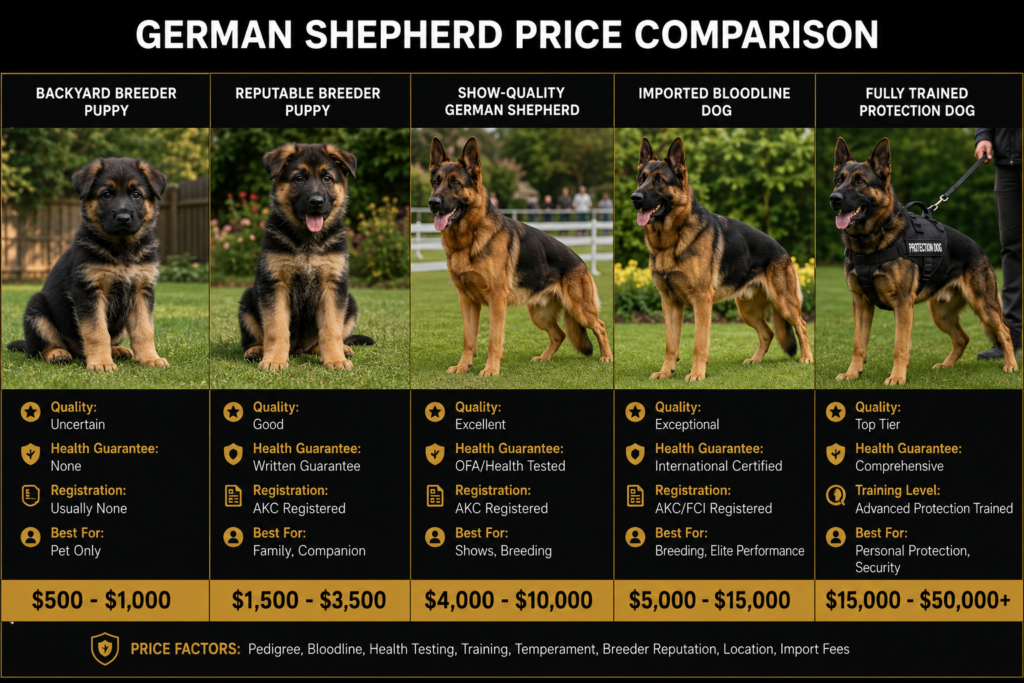
Here is a general price breakdown:
| Type of German Shepherd | Average Price |
| Backyard breeder puppy | $500 to $1,000 |
| Reputable breeder puppy | $1,500 to $3,500 |
| Show-quality German Shepherd | $4,000 to $10,000 |
| Imported bloodline dog | $5,000 to $15,000 |
| Fully trained protection dog | $15,000 to $50,000+ |
Many first-time buyers feel shocked when they compare cheap online listings with professionally bred German Shepherds. In most cases, higher prices reflect better breeding practices, health testing, temperament selection, socialization, and early training.
A cheap puppy may save money upfront, but poor breeding can later lead to expensive health problems, unstable behavior, or costly training issues. Many owners eventually spend far more correcting problems that could have been avoided with responsible breeding.
Factors That Affect German Shepherd Prices:
Several important factors influence how much a full-blooded German Shepherd costs.
Bloodline and Pedigree:
German Shepherds from champion bloodlines are usually more expensive because breeders spend years developing strong genetics, stable temperaments, and excellent working ability.
Puppies whose parents have earned titles in obedience, protection sports, police work, or competitions often cost more than standard pet-quality puppies.
Working-line German Shepherds bred for military, police, or protection work are also generally more expensive. These dogs are known for their focus, confidence, stamina, and high trainability.
Imported European bloodlines, especially German and Czech working lines, often command premium prices because many experienced handlers value their athletic structure and strong working instincts.
Breeder Reputation:
A reputable breeder usually charges more because they invest heavily in:
- Health testing
- Veterinary care
- High-quality nutrition
- Clean living conditions
- Early socialization
- Temperament evaluation
Responsible breeders focus on improving the breed rather than simply selling puppies for profit.
Good breeders also stay involved after the sale. Many answer questions for months or even years and carefully screen buyers before approving a puppy placement.
By contrast, backyard breeders often skip important health checks and early socialization to reduce costs. While their puppies may appear cheaper, buyers sometimes face serious behavioral or medical problems later.
Coat Color and Appearance:
Certain coat colors can increase the price of a German Shepherd, especially when demand becomes popular online.
Common colors include:
- Black and tan
- Sable
- Solid black
- White
Some breeders market rare colors at very high prices, but experienced owners usually recommend focusing more on health, structure, and temperament than appearance alone.
A beautiful coat color means little if the dog develops anxiety, aggression, or major joint problems later in life.
Age and Training:
Young puppies are usually cheaper than trained adult German Shepherds.
A professionally trained dog may already know:
- Basic obedience
- House manners
- Leash walking
- Socialization skills
- Advanced protection commands
Training requires patience, consistency, and professional experience, which is why trained German Shepherds often cost thousands more.
For many families, paying extra for a calm and stable dog can actually reduce stress and save time in the long run.
Health Certifications:
Responsible breeders test their dogs for common inherited health conditions before breeding.
Important health tests may include:
- Hip dysplasia screening
- Elbow dysplasia screening
- Degenerative myelopathy testing
- Cardiac evaluations
Dogs with certified health clearances usually cost more because proper testing and veterinary evaluations are expensive.
Still, many experienced owners consider health-tested bloodlines worth the extra money because they may reduce the risk of serious medical problems later in the dog’s life.
Hip problems are one of the biggest long-term concerns in this breed, especially in poorly bred dogs.
Initial Costs After Buying a German Shepherd:
Buying the dog is only the beginning. Many new owners underestimate how expensive the first year can become.
German Shepherds grow quickly, eat heavily, and require proper equipment, training, healthcare, and supervision from the start.
Essential Supplies:
New owners usually need:
- A dog crate
- Food and water bowls
- High-quality puppy food
- A durable leash and collar
- Toys and chew items
- Grooming tools
- A comfortable dog bed
Depending on quality, startup supplies may cost between $200 and $800.
German Shepherd puppies are powerful chewers, especially during teething stages. Cheap toys and weak equipment often break quickly, which is why many owners eventually upgrade to stronger products.
Veterinary Expenses:
First-year veterinary care may include:
- Vaccinations
- Deworming
- Microchipping
- Spaying or neutering
- Routine health checkups
First-year veterinary expenses commonly range from $300 to $1,200.
Unexpected medical issues can increase costs even further, which is why many owners choose pet insurance early. Emergency surgeries, stomach problems, or joint injuries can become very expensive without coverage.
Training Costs:
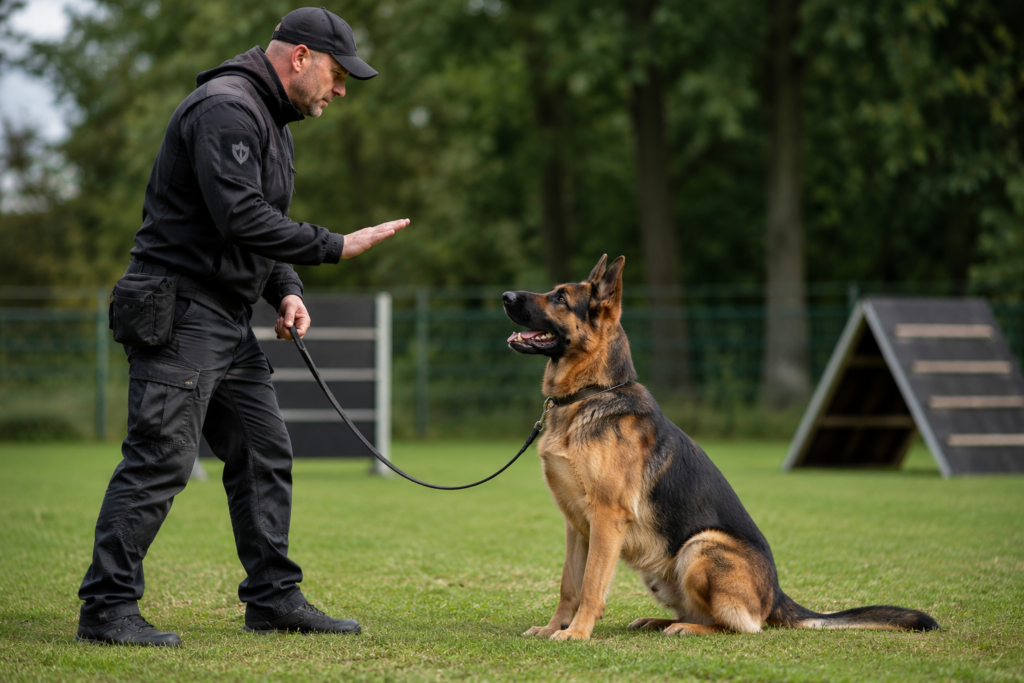
German Shepherds are highly intelligent, but they still require structure, leadership, and consistent training.
Without proper guidance, a bored or poorly trained German Shepherd can quickly become destructive, anxious, or overly protective. This breed is powerful both mentally and physically, so training should begin early.
Professional training may cost:
- Group obedience classes: $100 to $300
- Private lessons: $50 to $150 per session
- Advanced protection training: several thousand dollars
Early socialization is extremely important. Puppies exposed to different people, sounds, environments, and animals at a young age are often more stable and confident as adults.
Annual Cost of Owning a German Shepherd:
German Shepherds are large, energetic dogs that require ongoing care throughout their lives.
While the purchase price gets most of the attention, long-term ownership costs are often much higher than many first-time buyers expect.
Food Costs:
German Shepherds require a high-quality diet to maintain muscle, energy levels, skin condition, and joint health.
Most owners spend around:
- $500 to $1,200 per year on dog food
Large working-line German Shepherds may eat even more, especially if they exercise heavily or participate in training activities.
Many owners prefer premium foods that support digestion, hip health, and coat quality because German Shepherds can sometimes have sensitive stomachs.
Feeding the wrong food for years can quietly create digestive and joint issues in German Shepherds. What Is Good Dog Food for German Shepherds?
Grooming and Maintenance:
German Shepherds shed heavily throughout the year and often experience major seasonal shedding periods commonly called “coat blowouts.”
Grooming expenses may include:
- Brushes
- Shampoo
- Nail trimming
- Ear cleaning
- Professional grooming services
Annual grooming costs typically range from $100 to $500.
Regular brushing not only controls loose fur around the house but also helps owners monitor skin health and coat condition.
Healthcare Expenses:
Routine veterinary care remains important throughout the dog’s life.
Common yearly expenses include:
- Vaccinations
- Flea and tick prevention
- Dental care
- Joint supplements
- Emergency vet visits
Annual healthcare costs can range from $500 to $2,000 or more.
As German Shepherds age, joint issues and mobility problems may increase medical expenses. Hip dysplasia, arthritis, and digestive sensitivities are problems many owners eventually face.
Exercise and Mental Stimulation:
German Shepherds are not low-maintenance dogs.
They require daily exercise, mental stimulation, and regular interaction with their owners. Without enough activity, a German Shepherd can become frustrated surprisingly fast.
Owners often spend money on:
- Interactive toys
- Training equipment
- Dog daycare
- Agility activities
- Outdoor exercise gear
This breed performs best when given structure, routine, and meaningful daily activity. German Shepherds are happiest when they feel mentally engaged and included in family life.
Many first-time owners seriously underestimate how much daily exercise this breed actually needs.
Are Expensive German Shepherds Worth It?
Many buyers wonder if spending thousands of dollars on a German Shepherd is actually worth it.
In many situations, the answer is yes.
A well-bred German Shepherd from a responsible breeder may offer:
- Better overall health
- More stable temperament
- Stronger trainability
- Predictable behavior
- Lower long-term medical risk
Cheap puppies from irresponsible breeders sometimes develop serious health or behavioral problems that become emotionally and financially exhausting.
Some owners eventually spend thousands on corrective training, surgery, or behavioral rehabilitation after buying a poorly bred dog. Paying more upfront for quality breeding can often save money, stress, and heartbreak later.
Where to Buy a Full-Blooded German Shepherd
Choosing the right source is one of the most important parts of buying a German Shepherd.
Reputable Breeders:
Responsible breeders usually:
- Provide health records
- Allow buyers to meet the parents
- Offer contracts and health guarantees
- Answer questions honestly
- Focus on temperament and socialization
Good breeders genuinely care about where their puppies go.
Before buying, research reviews carefully and ask for proof of health testing and registration. A trustworthy breeder will never pressure you into making a rushed payment or decision.
Rescue Organizations:
Many purebred German Shepherds are available through shelters and breed-specific rescue organizations.
Adoption fees are usually much lower than breeder prices and often range from $100 to $500.
Some rescue dogs are already house-trained and socialized, making them a great option for experienced owners. Adoption can also be extremely rewarding because it gives a dog a second chance at a stable home.
Online Listings:
Online marketplaces can be convenient, but buyers should remain cautious.
Common red flags include:
- Extremely low prices
- Missing health documentation
- Refusal to video call or meet in person
- Pressure to send deposits immediately
- Poor-quality puppy photos
Fake puppy scams have become increasingly common in recent years.
If a deal feels suspiciously cheap, there is usually a reason behind it.
Common Mistakes to Avoid When Buying a German Shepherd:
Avoiding common mistakes can save money, stress, and disappointment later.
Choosing Based Only on Price:
The cheapest puppy is not always the best value.
Low prices sometimes indicate poor breeding, weak genetics, or inadequate socialization. A poorly bred German Shepherd may eventually cost far more in medical care and behavioral training.
Ignoring Health Testing:
Always ask for proof of health testing for both parents.
Skipping this step increases the risk of inherited conditions such as hip dysplasia, elbow issues, and mobility problems later in life.
Skipping Research:
Many people buy German Shepherds because they admire the breed’s appearance without understanding the responsibility involved.
This breed requires:
- Daily exercise
- Consistent training
- Mental stimulation
- Time and attention
German Shepherds are not ideal for owners looking for a low-energy or low-maintenance dog.
Buying From Puppy Mills:
Puppy mills often prioritize profit over animal welfare.
Dogs from these facilities may suffer from:
- Poor socialization
- Weak genetics
- Health problems
- Fearful behavior
- Unsanitary living conditions
Responsible breeding practices matter greatly in a breed as intelligent and sensitive as the German Shepherd.
Pros and Cons of Owning a Full-Blooded German Shepherd:
Advantages:
German Shepherds are admired worldwide for their:
- Intelligence
- Loyalty
- Courage
- Trainability
- Protective instincts
They often form deep emotional bonds with their families and perform exceptionally well in obedience, protection work, and active households.
Many owners describe German Shepherds as highly devoted companions that naturally want to stay close to their people.
Disadvantages:
Potential challenges include:
- Heavy shedding
- High energy levels
- Strong exercise needs
- Separation anxiety
- Possible joint problems
- Need for regular training
This breed requires committed ownership and daily involvement.
A neglected German Shepherd can quickly become frustrated, destructive, or difficult to manage. They thrive best with owners who enjoy training, exercise, and active interaction.
FAQ’s:
How much should a purebred German Shepherd cost?
Most purebred German Shepherd puppies from reputable breeders cost between $1,500 and $3,500.
Why are German Shepherds so expensive?
Prices reflect breeding quality, health testing, veterinary care, training, pedigree, and breeder reputation.
Are male or female German Shepherds more expensive?
Prices are usually similar, although breeding-quality females may sometimes cost slightly more.
How can you tell if a German Shepherd is purebred?
Pedigree papers, registration certificates, breeder documentation, and DNA testing can help confirm whether a dog is purebred.
What is the lowest price for a German Shepherd puppy?
Some puppies may sell for around $500, but extremely low prices can sometimes indicate poor breeding practices or unhealthy living conditions.
Do German Shepherds require expensive maintenance?
Yes, German Shepherds can become expensive due to food, healthcare, grooming, training, and long-term medical care.
Are German Shepherds good family dogs?
Yes, properly trained and socialized German Shepherds are often loyal, protective, intelligent, and affectionate family companions.
Conclusion:
A full-blooded German Shepherd is both a financial investment and a long-term commitment. While prices can range from a few hundred dollars to several thousand, choosing a healthy and responsibly bred dog is usually far more important than simply finding the cheapest option.
Before buying a German Shepherd, take time to:
- Research breeders carefully
- Understand long-term ownership costs
- Prepare for training and exercise needs
- Choose a dog that matches your lifestyle
German Shepherds are intelligent, loyal, and incredibly rewarding dogs when raised properly. With the right training, structure, and daily care, they can become trusted companions, dependable protectors, and deeply devoted family members for many years.