German Shepherd Pregnancy Complications: Complete Guide and Prevention!
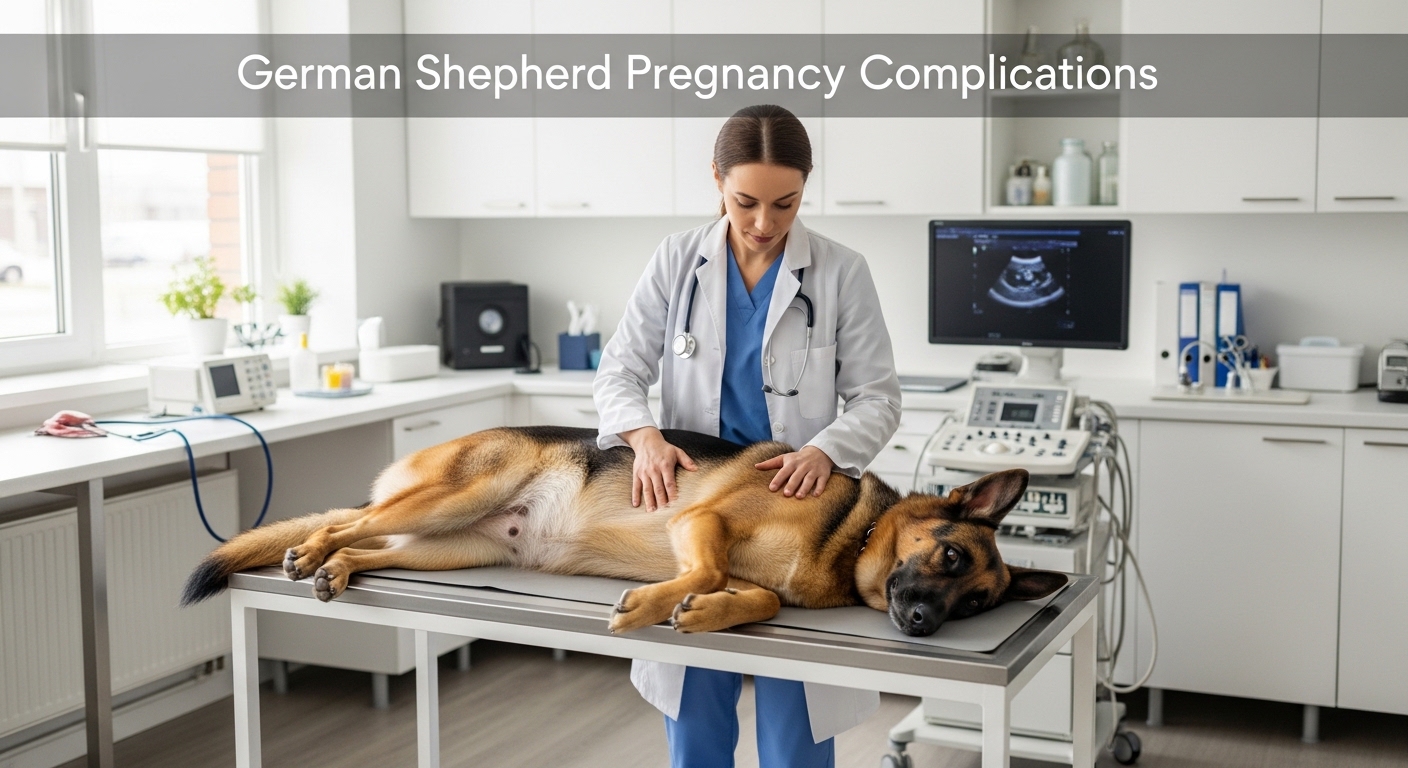
German Shepherd pregnancy complications include difficult labor, uterine inertia, eclampsia, infections, and placental problems. Early monitoring, proper nutrition, and timely veterinary care help reduce risks, protect the mother, and improve puppy survival during pregnancy, delivery, and recovery for better outcomes.
This guide explains the most important risks, practical prevention steps, and essential care practices every German Shepherd owner should know before and during pregnancy.
Before understanding complications, it helps to know how long a German Shepherd dog is pregnant and what timeline is considered normal.
Are German Shepherds More Prone to Pregnancy Complications?
Because breed-specific risk can vary and individual pregnancies are different, a veterinarian should assess the mother rather than relying on breed alone to predict whether delivery will be difficult.
German Shepherds can experience the same pregnancy and delivery complications seen in other dogs, including dystocia, uterine inertia, infections, and postpartum hypocalcemia. However, being a German Shepherd does not automatically mean that a pregnancy will be complicated. Risk depends on factors such as the mother’s health, age, body condition, litter size, previous reproductive history, and fetal position.
Common risk factors include:
• Large litters, often 6 to 10 puppies
• High metabolic demand from strong muscle structure
• First-time mothers lacking labor experience
• Dogs over 6 years old
• Obesity before breeding
• Poor conditioning before pregnancy
Veterinary reproductive studies show large-breed dogs experience higher rates of dystocia (difficult birth) compared with smaller breeds. Proper preparation and monitoring greatly reduce complications.
Providing proper care for a pregnant German Shepherd significantly lowers health risks during gestation.
Major German Shepherd Pregnancy Complications:
Dystocia, Difficult or Obstructed Labor:
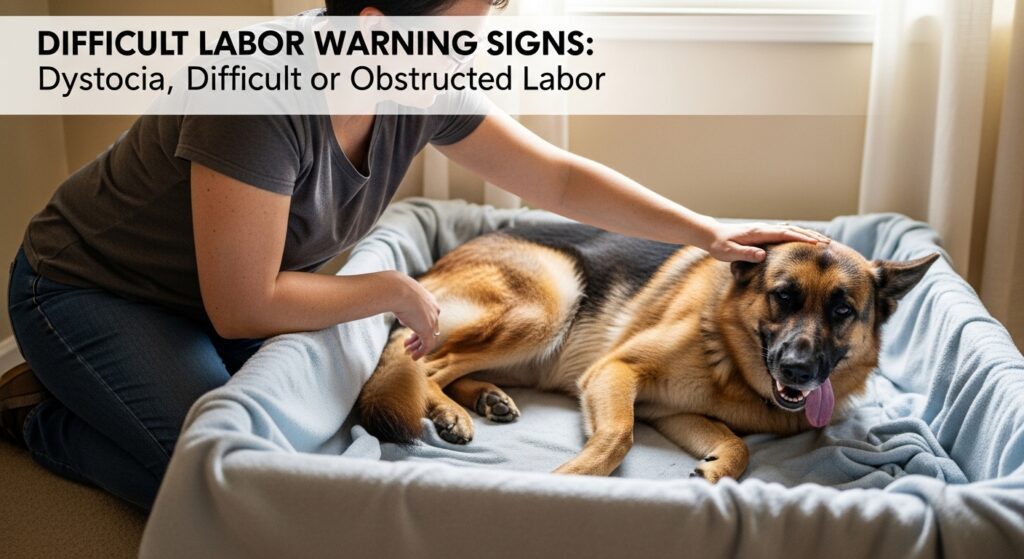
Dystocia (difficult birth) is one of the most important complications that can occur during canine labor. German Shepherd owners should know the warning signs because delayed delivery can become dangerous for both the mother and puppies.
It may occur when:
• The uterus cannot contract effectively
• A puppy is unusually large
• A puppy enters the birth canal incorrectly
• The mother becomes exhausted after prolonged labor
Many owners assume long labor is normal. In reality, delayed delivery is one of the most dangerous warning signs.
Warning signs:
• Strong contractions lasting 30 minutes without a puppy
• Labor appears to stop for an unusually long period, especially when accompanied by continued contractions, pain, weakness, or other signs of distress.
• Puppy visible but not progressing
• Severe distress, crying, or collapse
What you should do:
• Contact your veterinarian immediately
• Never pull a puppy forcefully
• Keep the mother calm, warm, and hydrated
If medical assistance fails, a Cesarean section may be required. Fast decision-making significantly improves outcomes.
For deeper veterinary insight, review these dog pregnancy care and preparation guidelines from the American Kennel Club to better understand safe pregnancy management
Understanding normal German Shepherd labor and delivery signs helps you recognize when labor becomes dangerous.
Primary Uterine Inertia:
Primary uterine inertia happens when labor should begin, but contractions never start or remain too weak.
It is commonly linked to:
• Very small litters
• Extremely large litters
• Overweight mothers
• Low calcium or glucose levels
• Poor physical conditioning
Veterinarians typically evaluate:
• Blood calcium balance
• Blood glucose levels
• Fetal heart activity
Treatment may involve calcium supplementation or oxytocin under strict veterinary supervision. Improper home treatment can worsen the situation, which is why injections should never be given without professional guidance.
Eclampsia, Low Calcium Crisis:
Eclampsia (postpartum hypocalcemia) is a life-threatening drop in blood calcium that most often occurs during nursing, particularly when milk production is high. It can occur in any breed, although small breeds are affected more commonly. Rarely, low calcium can also occur around labor or late pregnancy.
Ironically, excessive calcium supplements during pregnancy often increase the risk rather than prevent it.
Signs include:
• Muscle tremors
• Restlessness or stiff walking
• Rapid breathing
• High body temperature
• Seizures
This condition progresses quickly. Immediate veterinary treatment with intravenous calcium usually results in a rapid recovery when initiated early.
Pyometra During or After Pregnancy:
Pyometra is a serious uterine infection caused by bacterial growth during hormonal changes.
Symptoms to monitor:
• Thick discharge with foul odor
• Fever and lethargy
• Swollen abdomen
• Increased thirst or urination
Closed pyometra is especially dangerous because discharge may not be visible. Many emergency surgeries occur because owners wait too long, assuming recovery after birth is normal fatigue.
Prompt veterinary intervention is critical to prevent sepsis.
Placental Separation:
Premature placental separation deprives puppies of oxygen.
A dark green discharge before the first puppy often signals fetal distress.
If green fluid appears and no puppy follows shortly afterward, treat the situation as an emergency and seek veterinary care immediately.
Hidden Complications After Delivery:
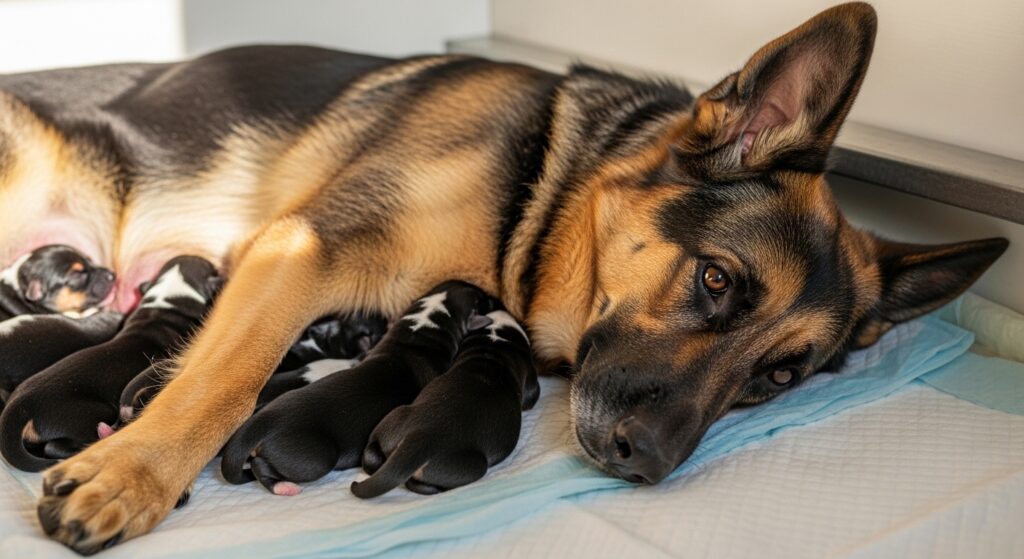
Many complications occur after successful delivery, when owners naturally relax monitoring.
Retained Placenta:
Retained placental tissue can contribute to uterine infection and should be discussed with a veterinarian if you are concerned that a placenta has not been passed.
Signs:
• Fever
• Foul-smelling discharge
• Weakness or loss of appetite
Veterinary medication or uterine cleaning may be necessary.
Mastitis:
Mastitis is an infection of the mammary glands and commonly develops during early nursing.
Symptoms:
• Hard, swollen glands
• Pain when touched
• Discolored or bloody milk
• Puppies refusing to nurse
Early antibiotic treatment prevents permanent gland damage and protects puppy health.
Metritis:
Metritis is inflammation of the uterus following birth, usually caused by retained tissue or bacterial infection.
Warning signs include:
• High fever
• Depression or lack of maternal care
• Reduced milk production
• Strong-smelling discharge
Immediate veterinary treatment is essential to avoid systemic infection.
Veterinary Diagnosis Tools:
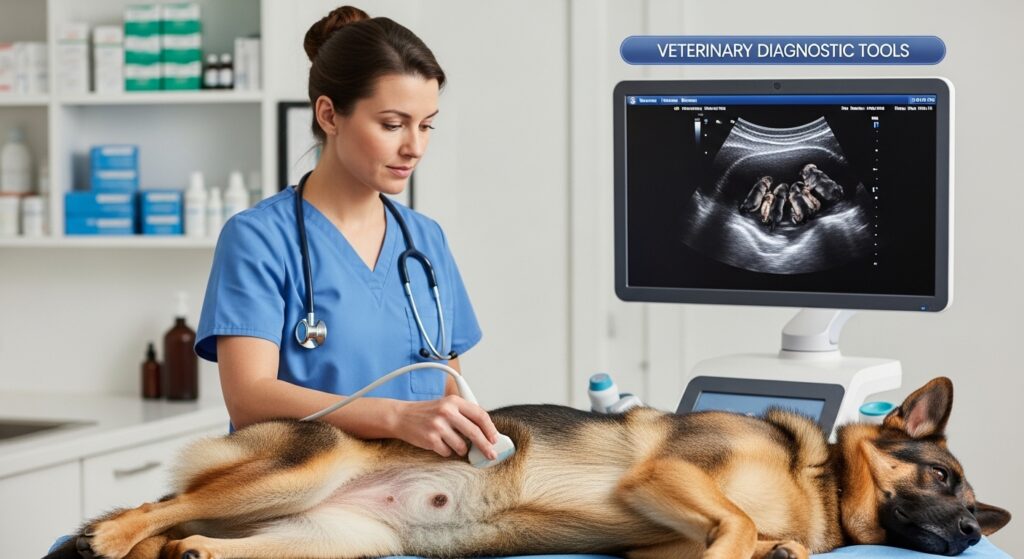
Proactive veterinary monitoring greatly reduces the risk of emergencies.
| Test | What It Helps Determine |
|---|---|
| Ultrasound | Pregnancy confirmation and fetal viability |
| Late-pregnancy X-ray | Approximate puppy count and fetal size or position |
| Blood tests | Problems such as calcium or glucose abnormalities when clinically indicated |
Clear Risk Assessment Table:
| Risk Factor | Risk Level |
| First-time mother | Moderate |
| Over 6 years old | High |
| Obese | High |
| History of C-section | High |
| Large litter | Moderate to high |
| Poor nutrition | High |
Maintaining proper body condition and scheduled veterinary care reduces most risks significantly.
How You Can Reduce German Shepherd Pregnancy Complications?
While no pregnancy is completely risk-free, preparation dramatically lowers complications.
Recommended steps:
• Maintain ideal weight before breeding
• Avoid unnecessary calcium supplements
•Schedule veterinary examinations at the stages recommended by your veterinarian during pregnancy.
• Perform early ultrasound monitoring
• Use late-pregnancy X-ray evaluation
• Prepare an emergency veterinary contact plan
• Monitor temperature changes near delivery
• Record contraction timing during labor
Good preparation can help owners recognize problems earlier and reach veterinary care quickly when complications occur.
When Must You Go to the Vet Immediate
- Strong contractions continue for about 30 minutes without producing a puppy
- Labor appears to stop for an unusually long period, especially if the mother shows pain, weakness, distress, or other signs of illness
- Green discharge appears before a puppy is delivered
- Collapse, tremors, or seizures
- Fever, severe weakness, abnormal discharge, heavy bleeding, or obvious distress
In canine obstetrics, minutes matter. Early intervention saves both the mother and the puppies.
FAQ’s:
What are the most common German Shepherd pregnancy complications?
Dystocia, uterine inertia, eclampsia, and uterine infections are the most frequently reported issues. Consistent monitoring greatly lowers serious risk.
Can complications during a German Shepherd pregnancy cause a puppy’s death?
Yes, delayed treatment during difficult labor or placental problems can result in fetal loss.
Are German Shepherd pregnancy complications preventable?
Not entirely, but proper nutrition, weight management, and veterinary supervision significantly reduce risk.
Is a C-section always required in German Shepherd pregnancy complications?
No, Most dogs deliver naturally, but surgery becomes necessary if labor stops progressing safely.
Should I give calcium to prevent pregnancy complications in German Shepherds?
No, Calcium should only be given under veterinary direction because incorrect supplementation increases eclampsia risk.
Conclusion:
German Shepherd pregnancy complications become dangerous mainly when warning signs are ignored or misunderstood. Careful observation, routine veterinary monitoring, and fast response during labor offer the best protection for both mother and puppies.
Most complications are manageable when identified early. Staying prepared, informed, and attentive greatly reduces the risks associated with German Shepherd pregnancy and delivery.