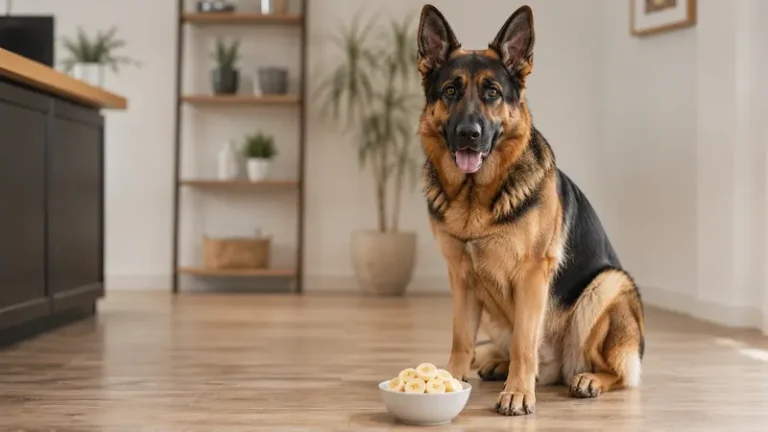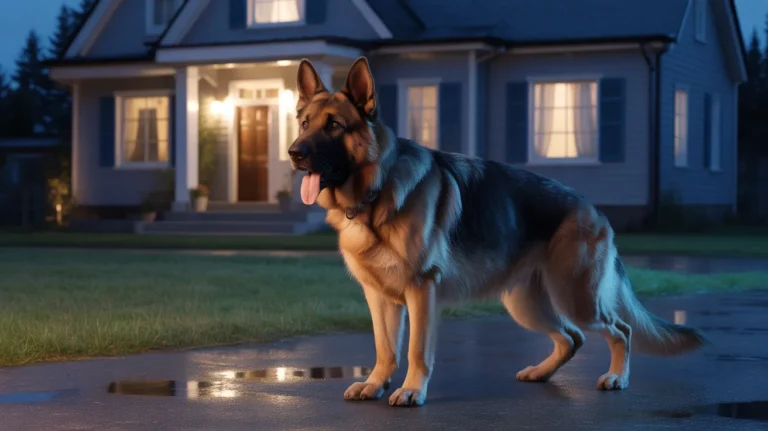
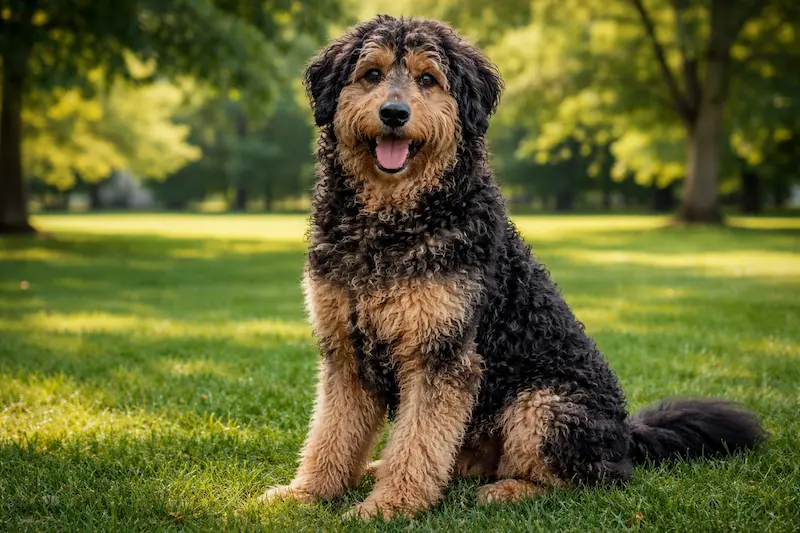
What Is a German Shepherd Poodle Mix? (Complete Guide 2026)
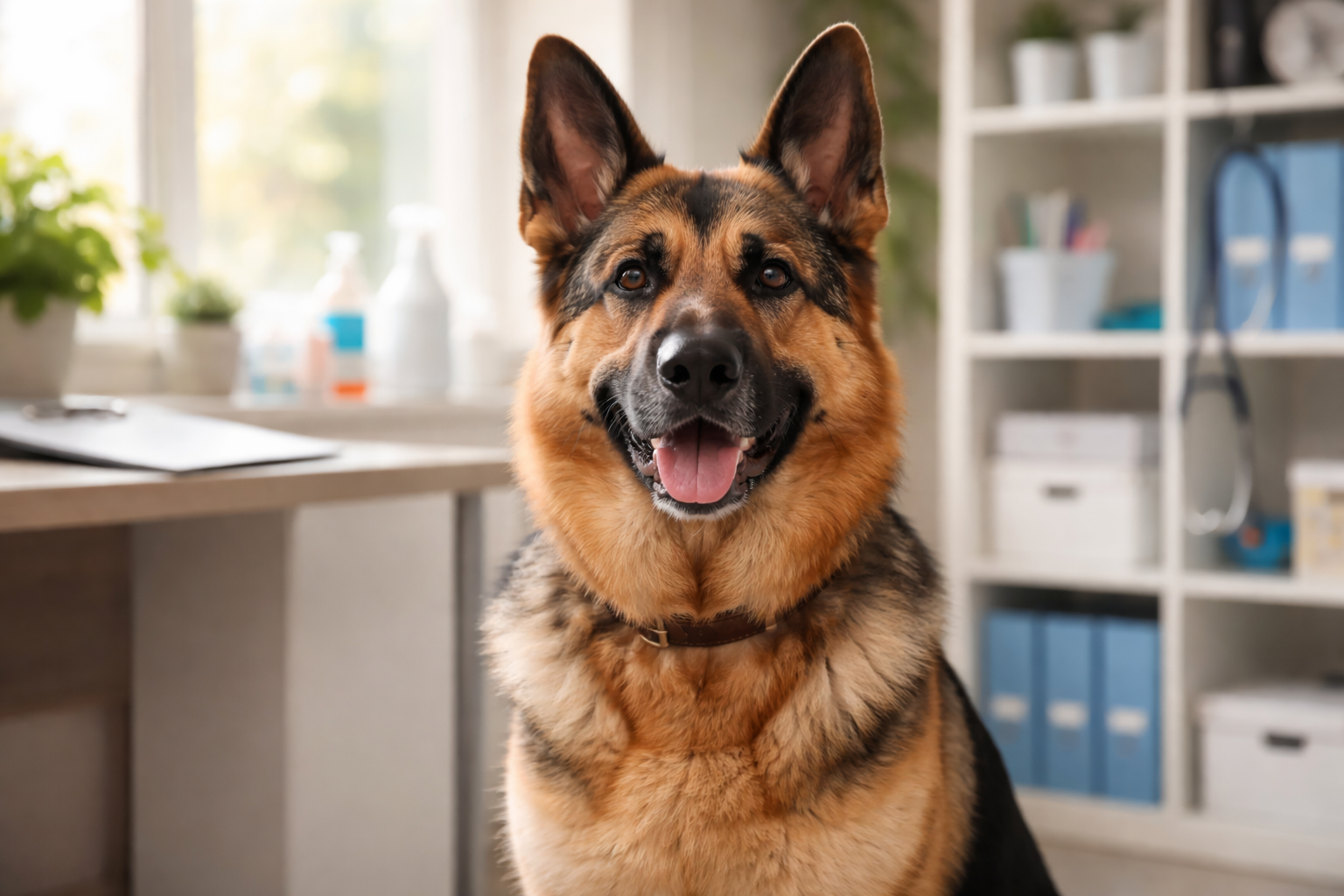
A German Shepherd Poodle Mix, also called a Shepadoodle, is a crossbreed between a German Shepherd and a Poodle. It is an intelligent, loyal, and often hypoallergenic dog, known for its trainability, protective nature, and suitability as a family or working companion.
In this guide, you will learn everything from temperament and size to grooming, cost, and whether this dog truly fits your lifestyle.
What Is a Shepadoodle?
A Shepadoodle, also called a German Shepherd Poodle mix, is a designer hybrid dog created by crossing a German Shepherd and a Poodle.
Breeders aim to combine:
- The loyalty and protection instincts of a German Shepherd
- The intelligence and coat variety of a Poodle
However, since it’s not a purebred dog, every Shepadoodle can look and behave differently.
Overview and History of a Shepadoodle
The Shepadoodle is a relatively new hybrid breed that became popular during the rise of designer dogs.
- First bred to create a smart, trainable working dog
- Often used as service or therapy dogs
- Known for having lower shedding compared to pure German Shepherds
Because it’s not a standardized breed, results can vary depending on genetics.
Which Breeds Make a Shepadoodle?
A Shepadoodle comes from two parent breeds:
- German Shepherd: protective, loyal, energetic
- Poodle (Standard or Miniature), intelligent, alert, low-shedding coat
Your dog may inherit more traits from one parent, which affects behavior, coat, and energy levels.
Size and Appearance of a Shepadoodle:
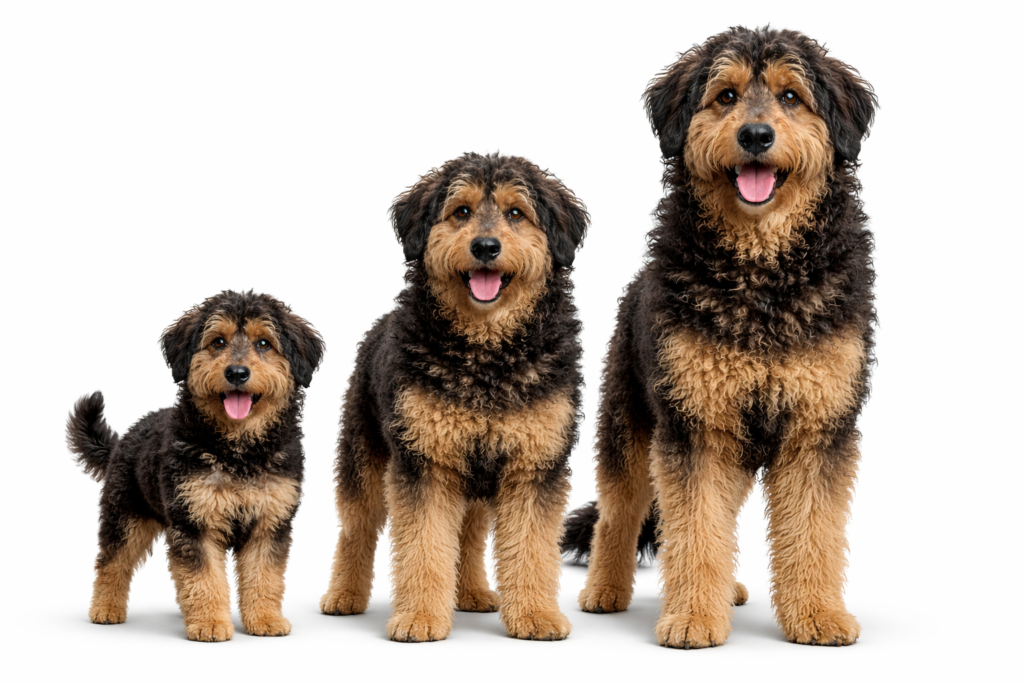
The size and overall look depend on the type of Poodle used in breeding.
How Big Does a Shepadoodle Get?
- Weight: 22 to 40 kg
- Height: 55 to 65 cm
- Males are usually larger than females
Some may be smaller if bred with a Miniature Poodle.
Coat Types and Colors:
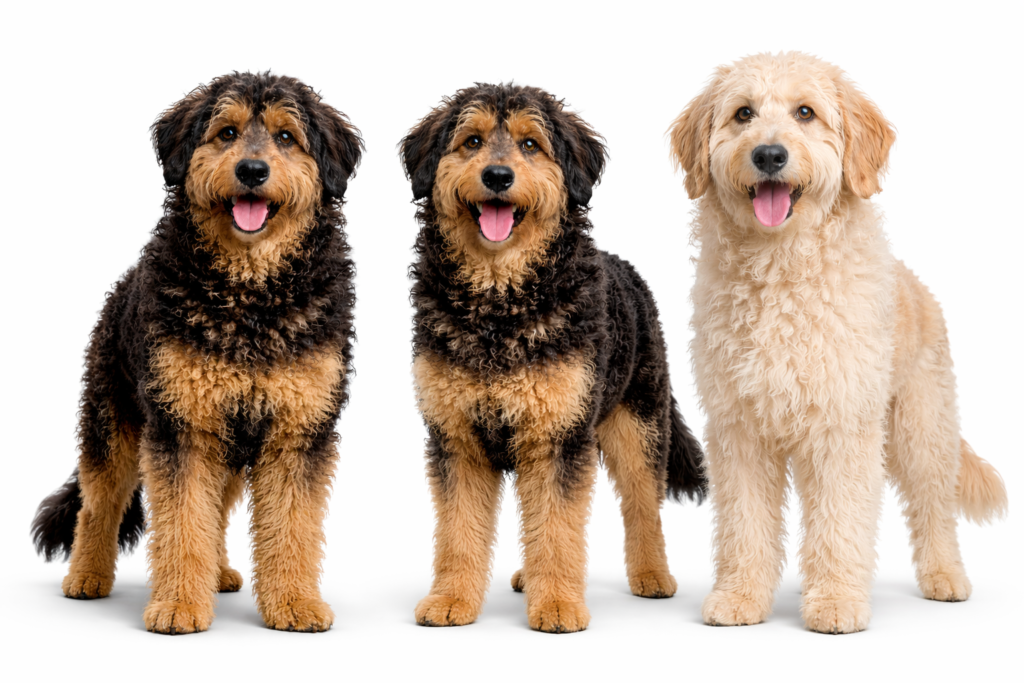
Shepadoodles can have different coat types:
- Curly (more Poodle-like, low shedding)
- Wavy (most common)
- Straight (more like German Shepherd)
Common colors include:
- Black
- Tan
- Cream
- Sable
Curly coats shed less but require more grooming.
Shepadoodle Temperament and Personality:
A Shepadoodle is extremely intelligent and alert. This dog thrives in a structured environment.
Want to understand where this protective nature comes from? Learn how German Shepherds are territorial.
Common Behavior Traits:
- Loyal and protective
- High energy and playful
- Fast learner
- Can become stubborn without proper training
Without mental stimulation, they may develop unwanted behaviors.
Are Shepadoodles Good Family Dogs?
Yes, but only if properly trained and socialized.
- Good with children when raised together
- Friendly but cautious with strangers
- May chase small pets due to prey drive
Early socialization is key to a balanced temperament.
How Easy Is It to Train a Shepadoodle?
Training a Shepadoodle is easier than many breeds, but consistency is critical.
Intelligence Level:
This mix is highly intelligent, thanks to both parent breeds.
- Learns commands quickly
- Responds well to positive reinforcement
- Gets bored if training is repetitive
Best Training Tips for Beginners:
- Start training at 8 weeks
- Keep sessions short (10 to 15 minutes)
- Use treats and praise as rewards
- Stay consistent with commands
Many dog trainers recommend daily mental exercises to prevent boredom.
Exercise Needs of a Shepadoodle:
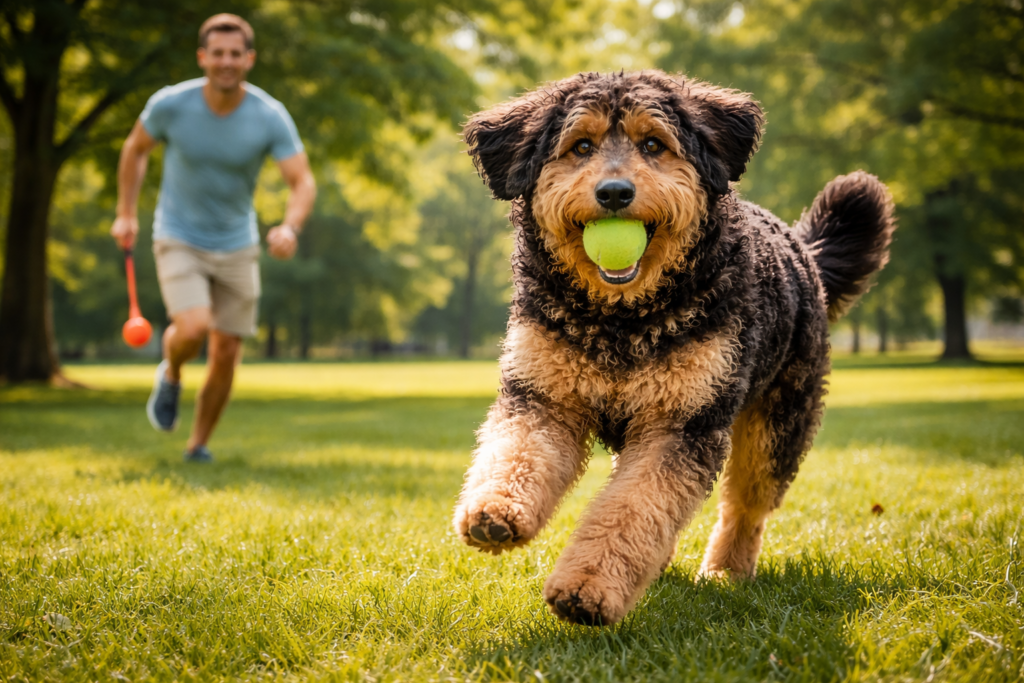
This is not a low-energy dog. Daily activity is essential.
Not sure how much activity is enough? See the exact daily exercise needs of a German Shepherd to avoid behavior issues.
Daily Exercise Requirements:
- 60 to 90 minutes of exercise
- Walking, running, or playing
- Mental stimulation, like puzzle toys
Indoor vs Outdoor Activity:
- Outdoor exercise is necessary for energy release
- Indoor games help on busy days
Lack of exercise often leads to barking, chewing, or anxiety.
Grooming and Care Guide:
Grooming needs depend on the coat type.
Using the wrong tool can damage the coat. Discover the best grooming tools for German Shepherd coats before you start.
Brushing Routine:
- 3 to 5 times per week
- Daily brushing for curly coats
Shedding Level:
- Low to moderate shedding
- Not fully hypoallergenic
Regular grooming helps prevent matting and skin issues.
Health Issues and Lifespan:
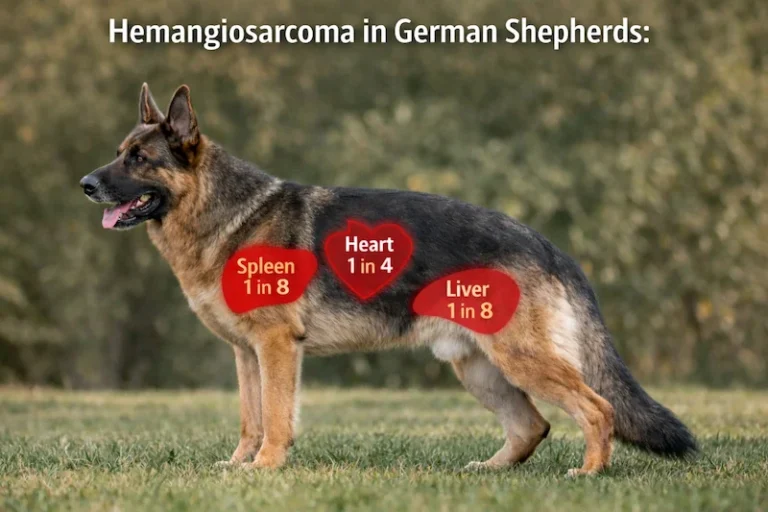
Like all hybrid dogs, Shepadoodles can inherit health problems.
Want expert-backed insights? Check German Shepherd health and lifespan details from the American Kennel Club to better understand inherited risks.
Common Health Problems:
- Hip dysplasia
- Skin allergies
- Ear infections
Lifespan:
- Average: 10 to 14 years
- A good diet and care can extend lifespan
Regular vet checkups are important for early detection.
Best Diet for a Shepadoodle:
Proper nutrition keeps your dog active and healthy.
Ideal Diet:
- High-protein dog food
- Real meat as the first ingredient
- Avoid cheap fillers and artificial additives
Feeding Schedule:
- Puppies: 3 meals per day
- Adults: 2 meals per day
How Much Does a Shepadoodle Cost?
Owning a Shepadoodle requires financial planning.
Initial Cost:
- $800 to $2500, depending on breeder quality
Monthly Expenses:
- Food
- Grooming
- Vet visits
Estimated total: $80 to $200 per month
F1 vs F1B vs F2 Shepadoodles:
Understanding generations helps you choose the right dog.
- F1: 50% German Shepherd + 50% Poodle
- F1B: More Poodle traits, less shedding
- F2: Mix of two Shepadoodles (less predictable)
Puppy vs Adult Shepadoodle:
- Puppies need time, training, and patience
- Adults are calmer but still active
Behavior depends heavily on early training.
Can a Shepadoodle Live in an Apartment?
Possible, but not ideal.
- Needs daily outdoor exercise
- Works only if the owner is active
Best suited for homes with space.
Weather Tolerance:
- Handles cold better than heat
- In hot climates, avoid midday walks
- Always provide water and shade
Common Behavior Problems and Solutions:
Barking:
Train commands and reward quiet behavior
Chewing:
Provide chew toys and increase exercise
Separation Anxiety:
Train gradually to stay alone
Shepadoodle vs Other Doodles:
- More protective than Goldendoodles
- More energetic than Labradoodles
- Requires more training effort
Daily Routine Example:
Morning:
Walk + meal
Afternoon:
Play or training
Evening:
Walk + short training
Night:
Rest
Mistakes to Avoid:
- Skipping training
- Not giving enough exercise
- Ignoring grooming
- Leaving the dog alone too long
Pros and Cons:
Pros:
- Intelligent
- Loyal
- Highly trainable
Cons:
- High energy
- Needs time and effort
- Regular grooming required
Is a Shepadoodle Right for You?
Choose this dog if:
- You have time every day
- You enjoy an active lifestyle
- You can train consistently
Avoid if:
- You want a low-maintenance dog
- You stay away from home often
FAQs:
Are Shepadoodles good for first-time owners?
Yes, but only if you are ready for daily training, exercise, and consistent care.
Do Shepadoodles shed a lot?
No, they usually have low to moderate shedding, especially if they inherit a curly coat.
Can Shepadoodles be aggressive?
No, but poor training and lack of socialization can lead to unwanted behavior.
Why is a German Shepherd Poodle mix hard to manage?
This mix has high energy and intelligence, so without proper exercise and mental stimulation, it can become destructive or stubborn.
What makes a Shepadoodle different from other doodle breeds?
It is more protective and energetic than most doodles, combining guarding instincts with high intelligence.
Conclusion:
A German Shepherd Poodle mix is a smart, loyal, and active dog that needs time, training, and daily care. It can be a great companion for the right owner, but not ideal for a low maintenance lifestyle. Understanding its needs helps you decide if this hybrid truly fits your routine.