How Long Does a German Shepherd Stay in Heat? Essential Facts Every Owner Should Know!
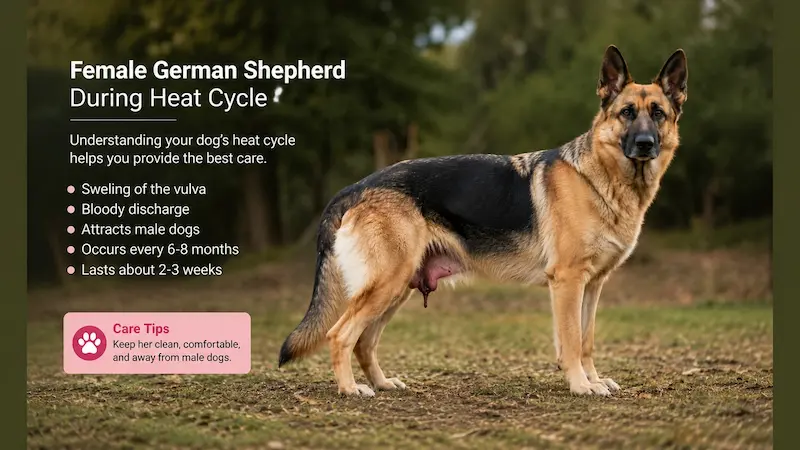
A German Shepherd typically stays in heat for 18 to 28 days, with most females remaining in heat for about 21 days. During this time, she may show signs such as a swollen vulva, vaginal discharge, increased urination, and changes in behavior.
In this detailed guide, we will explain everything you need to know about the German Shepherd heat cycle, including duration, symptoms, stages, care tips, and frequently asked questions.
Understanding the German Shepherd Heat Cycle:
Before discussing exactly how long a German Shepherd stays in heat, it’s important to understand what a heat cycle is and why it occurs.
What Is a Heat Cycle?
A heat cycle, also known as estrus, is the period when a female dog becomes reproductively receptive and capable of becoming pregnant. During this time, hormone levels fluctuate significantly, preparing the body for potential breeding.
Unlike humans, female dogs do not experience monthly menstrual cycles. Instead, they generally enter heat only a few times each year.
When Do German Shepherds Experience Their First Heat?
Most German Shepherds experience their first heat cycle between 6 and 12 months of age. However, some larger females may not enter their first heat until they are 18 months old.
Several factors can influence the timing, including:
- Genetics
- Nutrition
- Overall health
- Body size
- Environmental factors
Owners should monitor young female German Shepherds closely once they approach six months of age.
How Long Does a German Shepherd Stay in Heat?
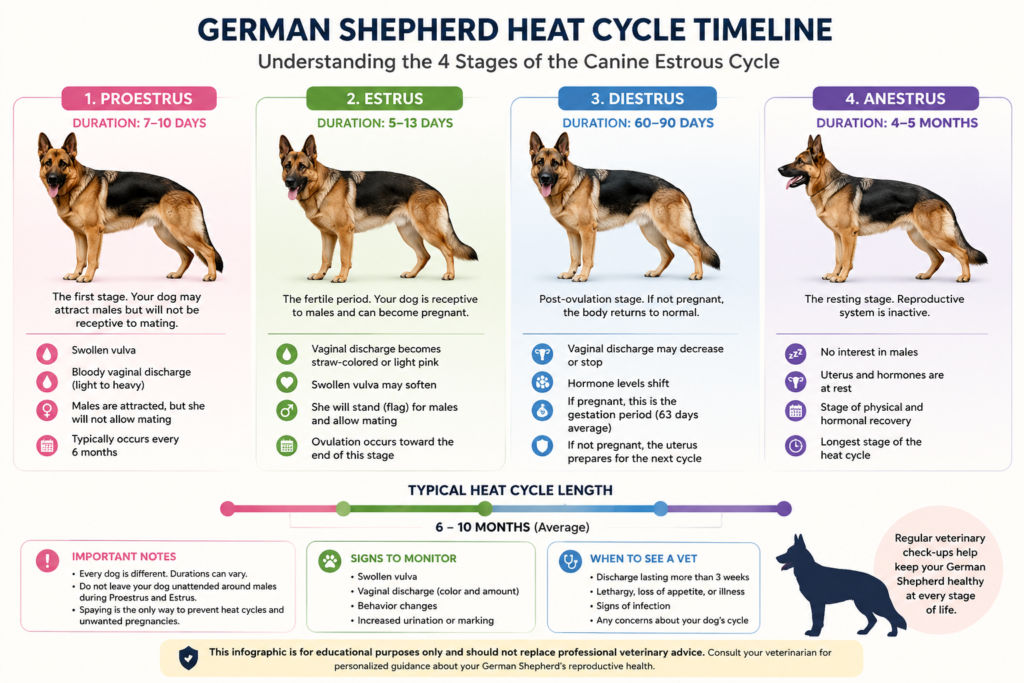
The question most owners ask is: how long does a German Shepherd stay in heat?
The average heat cycle lasts between 18 and 28 days, with most German Shepherds remaining in heat for around 21 days.
Here is a simple timeline:
| Stage | Average Duration |
| Proestrus | 7 to 10 Days |
| Estrus | 5 to 14 Days |
| Diestrus | 60 to 90 Days |
| Anestrus | 3 to 5 Months |
Although the complete reproductive cycle extends for months, the active heat period that owners typically notice lasts about two to four weeks.
Average Duration of a Heat Cycle
Most female German Shepherds follow a predictable pattern:
- Initial swelling and discharge begin.
- Fertility increases during estrus.
- Heat symptoms gradually disappear.
- Hormone levels return to normal.
Some dogs finish the cycle in 18 days, while others may take nearly a month.
Factors That Affect Heat Length
Several factors can influence how long a German Shepherd stays in heat, including age, genetics, overall health, body condition, and hormone levels.
If your German Shepherd is going through her first heat cycle, don’t be surprised if the timing seems slightly irregular. Many young females need a few cycles before their reproductive pattern becomes consistent. As they mature, the length and timing of each cycle often become more predictable.
The Four Stages of a German Shepherd Heat Cycle:
Understanding the four stages helps owners better manage their dog’s needs.
Proestrus Stage:
Proestrus marks the beginning of heat.
Common signs include:
- Swollen vulva
- Bloody discharge
- Frequent urination
- Increased attention from male dogs
- Mood changes
During this stage, females usually reject male dogs despite attracting them.
Duration: 7 to 10 days.
Estrus Stage:
Estrus is the fertile phase.
Signs include:
- Reduced bleeding
- Straw-colored discharge
- Tail lifting
- Acceptance of males
- Increased affection
This is the period when pregnancy is most likely.
Duration: 5 to 14 days.
Diestrus Stage:
The diestrus stage follows estrus.
During this phase:
- Fertility ends
- Hormone levels stabilize
- Swelling decreases
- Behavior returns to normal
Whether pregnant or not, hormonal activity remains elevated.
Duration: Approximately 60 to 90 days.
Anestrus Stage:
Anestrus is the resting phase between cycles.
Characteristics include:
- Reproductive inactivity
- Hormonal stability
- Physical recovery
Duration: Typically 3 to 5 months.
Signs Your German Shepherd Is in Heat:
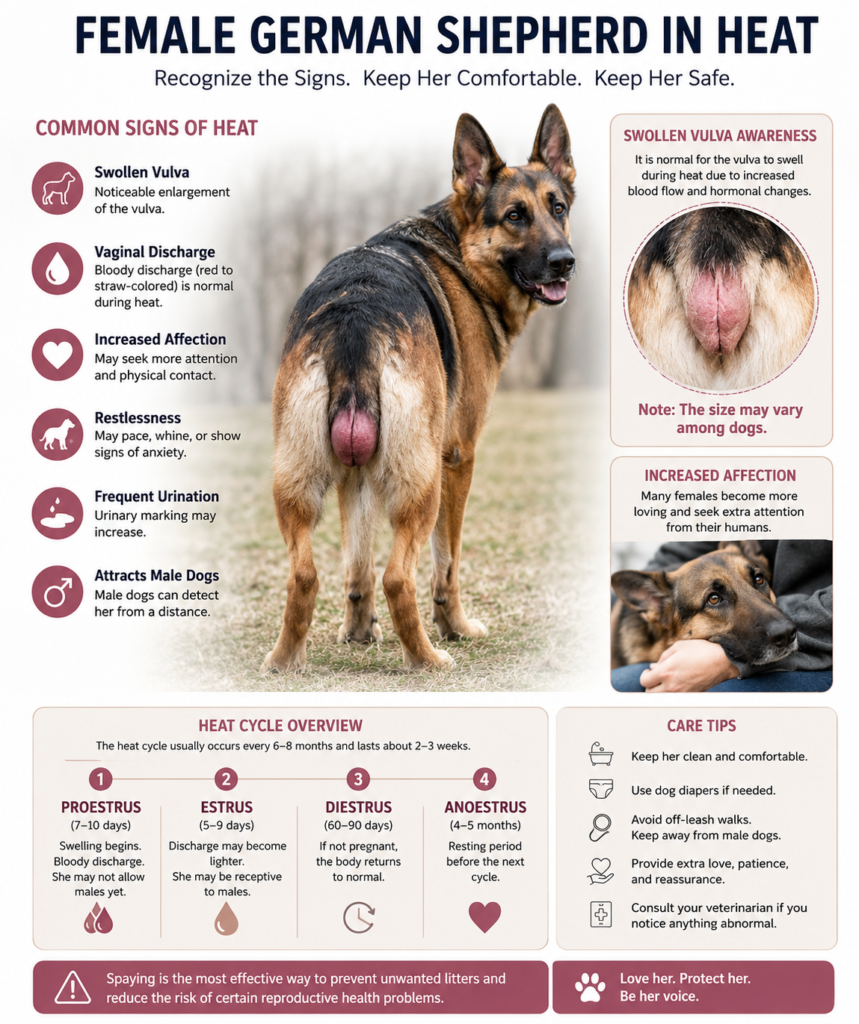
Recognizing symptoms early allows for better management.
Physical Symptoms:
Common physical signs include:
- Swollen vulva
- Vaginal discharge
- Increased licking
- Frequent urination
- Changes in appetite
The amount of discharge varies among individual dogs.
Behavioral Changes:
Behavioral shifts can be surprisingly noticeable.
Your German Shepherd may become:
- More affectionate
- More clingy
- Restless
- Irritable
- Protective
- Easily distracted
Some dogs show dramatic changes, while others remain relatively calm.
How Often Do German Shepherds Go Into Heat?
Most German Shepherds enter heat approximately every six months.
This means they typically experience:
- Two heat cycles per year
- Occasionally, one cycle every 7 to 8 months
- Rarely three cycles annually
As dogs age, their cycles may become less predictable but generally continue throughout life unless they are spayed.
Knowing how often cycles occur helps owners anticipate future heats and prepare accordingly.
Caring for a German Shepherd During Heat:
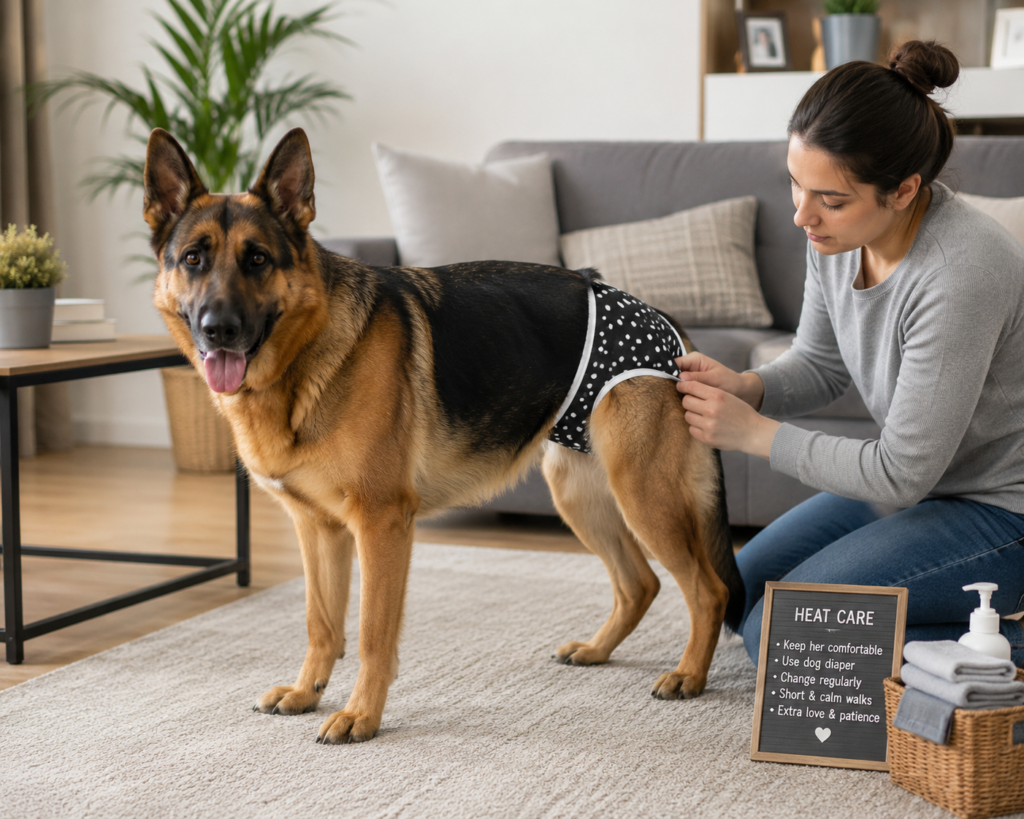
Proper care makes the experience easier for both dog and owner.
Hygiene and Cleanliness:
Heat cycles can create household messes.
Helpful solutions include:
- Dog diapers
- Washable bedding
- Frequent cleaning
- Grooming wipes
- Regular sanitary checks
Maintaining cleanliness also reduces the risk of skin irritation.
Exercise and Safety:
Exercise remains important.
However, consider these precautions:
- Use a secure leash
- Avoid dog parks
- Supervise outdoor time
- Ensure fencing is secure
Many German Shepherd owners are surprised by how determined male dogs can be. A male dog may try to jump fences, squeeze through small openings, or linger around your yard once he detects a female in heat nearby.
Nutrition During Heat:
Some dogs eat less during heat.
Support overall health with:
- High-quality protein
- Fresh water
- Balanced nutrition
- Healthy treats in moderation
Avoid making major dietary changes during this time.
Preventing Unwanted Pregnancy:
If breeding is not planned, preventing pregnancy becomes a priority.
Effective precautions include:
- Never leave your dog unattended outdoors.
- Keep doors and gates secured.
- Avoid off-leash activities.
- Separate from intact male dogs.
- Consider professional boarding if necessary.
Remember that even brief contact with a male dog can result in pregnancy.
Owners who do not intend to breed often discuss spaying options with their veterinarian.
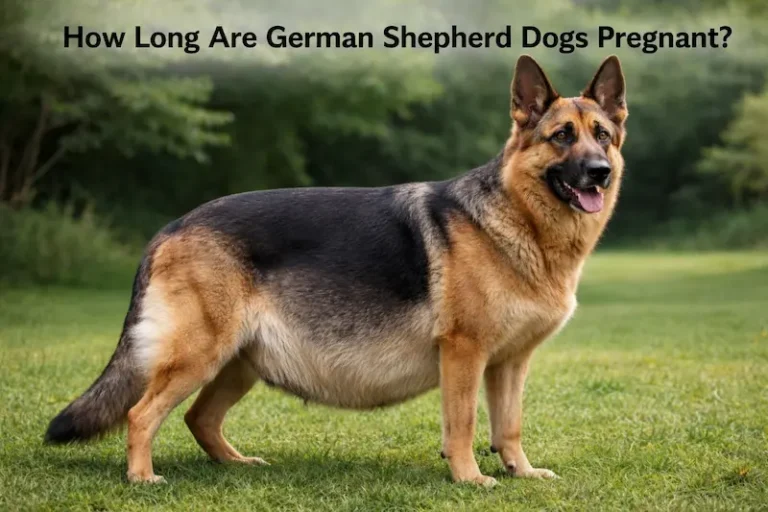
If pregnancy occurs, understanding the full gestation timeline can help you prepare properly. How Long Are German Shepherd Dogs Pregnant?
Common Heat Cycle Problems:
Although most cycles are normal, some issues require attention.
Silent Heat:
A silent heat occurs when typical symptoms are minimal or absent.
Signs may include:
- Little discharge
- Mild swelling
- Subtle behavioral changes
Veterinary evaluation can help confirm the cycle.
Prolonged Heat:
If symptoms continue beyond four weeks, veterinary consultation is recommended.
Possible causes include:
- Hormonal disorders
- Ovarian cysts
- Reproductive abnormalities
Irregular Cycles:
Young German Shepherds may experience irregular cycles initially.
However, repeated irregularities in adult dogs should be evaluated by a veterinarian.
Certain health conditions may affect reproductive health and overall well-being. Do German Shepherds Get Sick Easily?
Breeding Considerations for German Shepherds:
Responsible breeding requires planning and knowledge.
Experts generally recommend waiting until:
- Physical maturity is reached
- At least the second heat cycle
- Health testing is completed
- Genetic screening is performed
German Shepherds are prone to certain inherited conditions, making responsible breeding especially important.
Breeders should evaluate:
- Hip health
- Elbow health
- Temperament
- Genetic history
- Overall fitness
Careful breeding practices help preserve the quality and health of future generations.
“For additional information about canine reproductive health and responsible breeding practices, owners can review guidance from the American Kennel Club (AKC).”
When Should You Contact a Veterinarian?
Seek veterinary advice if you notice:
- Excessive bleeding
- Foul-smelling discharge
- Fever
- Severe lethargy
- Loss of appetite lasting several days
- Heat lasting longer than four weeks
- Significant pain or discomfort
Early intervention can prevent more serious reproductive health issues.
FAQ’s:
How long does a German Shepherd stay in heat for the first time?
Most first heat cycles last between 2 and 4 weeks. Young dogs may experience slightly irregular durations.
How often does a German Shepherd go into heat?
Typically, every six months, resulting in two heat cycles per year.
Can a German Shepherd get pregnant during her first heat?
Yes. A female German Shepherd can become pregnant during her first heat cycle if exposed to an intact male.
Is it normal for a German Shepherd to stop eating during heat?
A mild decrease in appetite can be normal. However, prolonged refusal to eat should be evaluated by a veterinarian.
Should I walk my German Shepherd while she is in heat?
Yes, but keep her on a leash and avoid areas with many dogs to reduce the risk of unwanted mating.
What age should a German Shepherd be spayed?
The appropriate timing depends on health, lifestyle, and veterinary recommendations. Discuss the best option with your veterinarian.
Conclusion:
So, how long does a German Shepherd stay in heat? For most females, the active heat period lasts between 18 and 28 days, with an average of roughly 21 days. While every dog is slightly different, understanding the stages of the heat cycle can help you manage your dog’s needs with confidence.
Pay close attention to behavioral and physical changes, keep your dog safely separated from intact males, and don’t hesitate to contact your veterinarian if something seems unusual. A little preparation goes a long way in helping your German Shepherd stay comfortable, healthy, and safe throughout her heat cycle.
Message:
If you found this guide helpful, consider sharing it with other German Shepherd owners and bookmarking it for future reference. Regular veterinary care and informed pet ownership are the keys to keeping your dog healthy throughout every stage of life.