German Shepherd Immune System Disorders: Signs, Diagnosis and When to See a Veterinarian
By Aqsa Kanwal
Last updated: September 16, 2026
Medical disclaimer: This article is for general educational purposes only. It does not diagnose or treat a dog. If your German Shepherd has severe, sudden, or worsening symptoms, contact a qualified veterinarian or emergency animal hospital.
Quick Answer
Immune system disorders are conditions in which a dog’s immune system does not respond normally. It may become too weak to fight certain infections, overreact to harmless substances such as environmental allergens, or mistakenly attack the dog’s own cells and tissues.
In German Shepherds, signs that may need veterinary attention include recurring skin or ear problems, unexplained weight loss, persistent digestive problems, pale gums, unusual bruising, repeated infections, fever, weakness, or shifting lameness.
These symptoms do not prove that a dog has an immune disorder. Similar signs can be caused by parasites, infections, food problems, orthopedic disease, pancreatic disease, or other medical conditions. A veterinarian needs to examine the dog and may recommend tests before identifying the cause.
What This Guide Covers
This guide explains:
- What immune system disorders mean
- Symptoms that owners should not ignore
- Why diagnosis can take more than one test
- What information to prepare for a veterinary visit
- When a symptom may require urgent care
It does not replace a veterinary examination, diagnosis, or treatment plan.
Understanding the German Shepherd’s Immune System:
German Shepherds are known for their intelligence, loyalty, and strong work ethic. Whether serving as police dogs, search-and-rescue partners, service animals, or beloved family pets, they are often seen as one of the toughest dog breeds. However, even healthy and active German Shepherds can develop immune-related health problems.
The immune system is the body’s natural defense network. It helps protect dogs from bacteria, viruses, parasites, and other harmful organisms they encounter every day. When the immune system functions properly, it recognizes threats, fights infections, and helps the body recover from illness or injury.
Problems begin when this system stops working as intended. In some cases, it becomes too weak to defend the body effectively. In others, it becomes overactive and reacts to harmless substances such as pollen, dust, or certain foods. More serious immune disorders occur when the body mistakenly attacks its own healthy cells and tissues.
German Shepherds appear to have a higher risk for several immune-related conditions compared to many other breeds. These issues can affect the skin, blood, joints, digestive system, and overall health. While not every German Shepherd will experience immune problems, understanding the warning signs can help owners seek veterinary care before a minor issue becomes a major one.
The good news is that many immune system disorders can be managed successfully when detected early. Learning what to watch for is one of the best ways to protect your dog’s long-term health and quality of life.
What the Immune System Does:
A dog’s immune system works like a security guard. It checks what belongs in the body and what doesn’t. When germs enter, immune cells respond. They attack the threat, clean up damaged tissue, and help the body recover.
A healthy immune system helps with:
- Fighting infections
- Healing wounds
- Controlling inflammation
- Protecting skin and gut health
- Supporting normal energy
- Responding to vaccines
- Keeping harmful organisms under control
However, the immune system can sometimes make mistakes. In autoimmune disease, it attacks the dog’s own cells. In allergies, the immune system reacts too strongly to harmless things like pollen, dust, or food proteins. In an immune deficiency, it doesn’t fight infection well enough.
That is where German Shepherd immune system disorders become important. German Shepherds may be more prone to some immune-related problems than many other breeds. This doesn’t mean every German Shepherd will become sick. Many live long, happy lives. Still, awareness gives owners a better chance to act early.
Why German Shepherds Need Special Attention:
German Shepherds have a strong genetic background as working dogs. Over many generations, breeding shaped their body, drive, coat, digestion, and immune traits. Some lines may carry a higher risk of immune-related disease.
Common immune-linked concerns in German Shepherds can involve:
| Body Area | Possible Immune-Related Issue |
| Skin | Allergies, itching, recurrent infections |
| Blood | Immune-mediated anemia or platelet loss |
| Joints | Immune-mediated inflammation |
| Digestive system | Sensitive gut, pancreatic problems |
| Nose and body | Fungal infections in some cases |
| Whole body | Fever, tiredness, weight loss |
The tricky part is that immune disorders can look like other health issues. A tired dog may seem lazy. Itchy skin may look like fleas. Digestive trouble may seem like a simple upset stomach. But when signs repeat, spread, or get worse, it’s time to involve a veterinarian.
German Shepherd owners should keep a health journal. Note itching, stools, appetite, energy, weight, medications, food changes, and flare-ups. This simple habit can help your vet connect the dots faster.
Why Diagnosis Can Be Difficult:
Immune-related conditions can resemble many other illnesses. Itching may be caused by allergies, parasites, bacteria, or yeast. Weight loss may be related to digestive disease, infection, or another chronic condition. Lameness may result from an orthopedic problem or inflammation.
For this reason, one symptom is usually not enough to identify an immune disorder. Veterinarians may need to combine the dog’s history, physical examination, blood tests, imaging, and other tests before reaching a diagnosis.
Common German Shepherd Immune System Disorders:
There are several types of immune system disorders in German Shepherds. Some are mild and manageable. Others can become life-threatening without fast care. The main groups include autoimmune blood disorders, skin allergies, joint inflammation, digestive immune issues, and infection-related problems.
Autoimmune Blood Disorders:
Autoimmune blood disorders happen when the immune system attacks blood cells. Two serious examples are immune-mediated hemolytic anemia and immune-mediated thrombocytopenia.
Immune-mediated hemolytic anemia, often called IMHA, occurs when the body destroys its own red blood cells. Red blood cells carry oxygen. When they drop too low, the dog may become weak, pale, tired, or short of breath.
Possible signs of IMHA include:
- Pale or yellow gums
- Weakness or collapse
- Dark urine
- Fast breathing
- Loss of appetite
- Fever
- Rapid heartbeat
Immune-mediated thrombocytopenia, often called IMTP or ITP, happens when the immune system destroys platelets. Platelets help blood clot. If platelet numbers fall too low, bleeding can happen more easily.
Possible signs of IMTP include:
- Tiny red or purple spots on the gums or skin
- Nosebleeds
- Blood in urine or stool
- Bruising
- Weakness
- Pale gums
These conditions need urgent veterinary care. Treatment may include immunosuppressant medication, supportive care, blood tests, and close monitoring. Owners should never try to treat these signs at home.
Skin and Allergy Disorders:
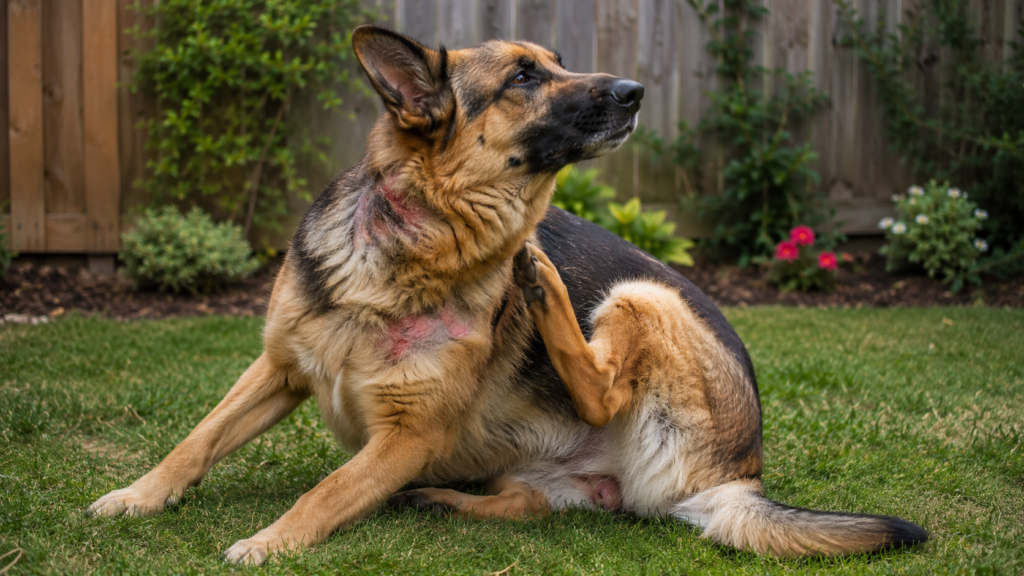
For many German Shepherd owners, skin problems are the first sign that something isn’t quite right. A once comfortable dog may suddenly begin scratching throughout the day, licking its paws at night, or developing recurring ear infections.
Because allergies are so common in this breed, many owners mistakenly believe constant itching is normal. It isn’t. Healthy dogs may scratch occasionally, but persistent itching usually indicates an underlying problem that deserves attention.
Environmental allergens such as pollen, grass, mold, and dust mites are common triggers. Some dogs may also react to flea bites or certain ingredients in their food. When the immune system overreacts to these triggers, inflammation develops, and the skin barrier becomes damaged, creating an ideal environment for secondary bacterial or yeast infections.
Many of these triggers are discussed in our guide to common German Shepherd allergies, which explains how environmental and food allergens affect the breed.
Digestive and Pancreatic Conditions That May Look Similar
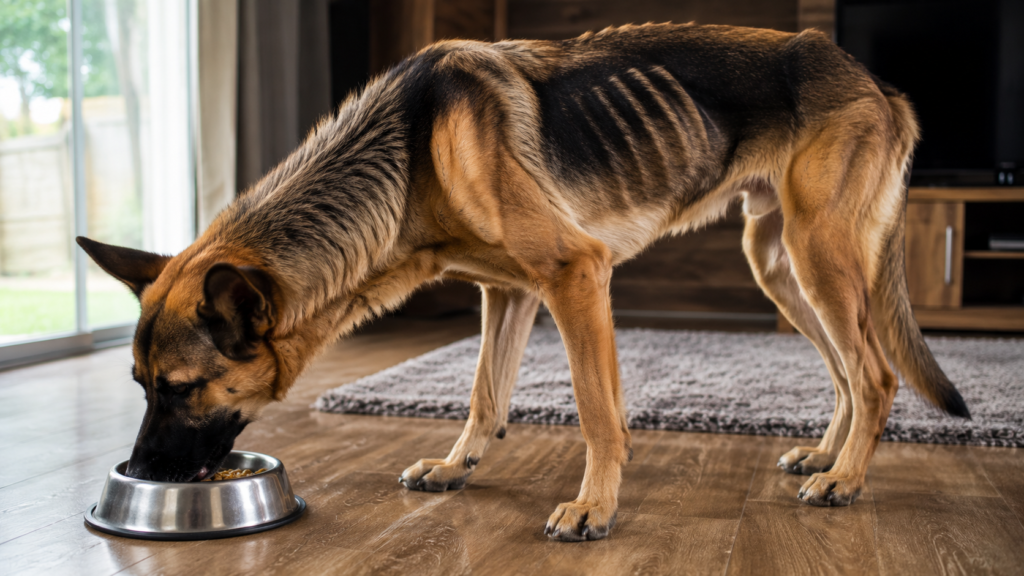
German Shepherds can also have sensitive digestive systems. Some immune-linked problems affect the gut, while others involve the pancreas. Exocrine pancreatic insufficiency, known as EPI, is seen in German Shepherds more than in many breeds. It happens when the pancreas doesn’t make enough digestive enzymes.
Some dogs gradually lose weight despite eating large meals. Increased stool volume, gas, or poor coat quality may appear before the weight loss becomes obvious. Many owners describe their dogs as constantly hungry, yet unable to maintain body condition. In some cases, the first clue is not weight loss but an increase in stool volume, gas, or poor coat quality. These changes can develop slowly, making them easy to overlook until the problem becomes more noticeable.
Choosing the best food for German Shepherd health can also help support digestion and long-term wellness in dogs with sensitive stomachs.
Digestive Problems That Can Look Similar
Some digestive conditions may cause symptoms that overlap with immune-related disease. Exocrine pancreatic insufficiency, or EPI, is one example. In EPI, the pancreas does not produce enough digestive enzymes, which can lead to weight loss, large soft stools, increased appetite, gas, and poor coat condition.
EPI is not automatically an immune system disorder. It is a separate pancreatic condition that requires veterinary testing. The Merck Veterinary Manual explains that German Shepherds can be predisposed to EPI, but only a veterinarian can confirm the diagnosis.
Joint and Whole-Body Inflammation:
Immune-mediated polyarthritis is another disorder where the immune system causes joint inflammation. It can look like an injury, arthritis, or tiredness. Dogs may limp on one leg, then another. They may have fever, stiffness, or pain.
Possible signs include:
- Shifting leg lameness
- Swollen joints
- Stiff walking
- Fever
- Low energy
- Loss of appetite
- Pain when touched
- Reluctance to climb stairs
Because German Shepherds can also have hip or elbow problems, joint symptoms need careful diagnosis. X-rays may show structural disease, but immune-mediated joint disease may need blood tests and joint fluid analysis.
Some symptoms may resemble common German Shepherd hip problems, making professional evaluation especially important.
Infections That Can Cause Similar Symptoms:
Some German Shepherds are known to be at risk for serious fungal infections, including disseminated aspergillosis. This is not common in every dog, but it’s serious when it happens. It may affect the spine, kidneys, bones, or other organs.
Signs can be vague, such as:
- Back pain
- Fever
- Weight loss
- Weakness
- Lameness
- Blood in urine
- Poor appetite
Because these signs overlap with many other diseases, diagnosis can take time. Still, persistent fever, pain, and weight loss should never be brushed off.
For a reliable veterinary reference on immune disorders in dogs, owners can review the Merck Veterinary Manual here: Merck Veterinary Manual: Immune Disorders of Dogs.
Symptoms Owners Should Never Ignore:
The best way to protect your dog is to notice changes early. Many German Shepherd immune system disorders start with mild signs. At first, your dog may still eat, play, or act mostly normally. But small changes can build over time.
Skin, Coat, and Ear Signs:
Skin is one of the first places immune problems show up. A healthy German Shepherd should have a clean coat, normal skin, and only occasional scratching. Constant itching isn’t normal.
Watch for:
- Red skin
- Flaky skin
- Bald patches
- Greasy coat
- Thick skin
- Darkened skin
- Repeated ear infections
- Paw chewing
- Hot spots
- Strong odor
Ear infections are especially important. If your German Shepherd keeps getting itchy, smelly, or painful ears, allergies may be involved. Cleaning the ears may help for a while, but it won’t solve the root cause if the immune system is reacting to allergens.
Energy, Appetite, and Behavior Changes:
German Shepherds are usually alert and active. So, a change in energy can be meaningful. One lazy day after exercise may be normal. But repeated tiredness, weakness, or mood change deserves attention.
Look for:
- Sleeping more than usual
- Refusing walks
- Slower movement
- Hiding
- Irritability
- Loss of interest in food
- Sudden picky eating
- Weight loss
- Fever
- Drinking more water
A dog can’t say, I feel off. Instead, behavior tells the story. If your dog seems dull, uncomfortable, or not like himself, take it seriously.
When to Seek Emergency Veterinary Care
Contact an emergency veterinarian immediately if your German Shepherd has:
- Pale, white, blue, or yellow gums
- Trouble breathing
- Collapse or inability to stand
- Uncontrolled bleeding
- Blood in vomit, stool, or urine
- Severe weakness
- Seizures
- Sudden facial swelling
- Severe or worsening pain
- A rapidly swollen abdomen
Do not wait for an online article to identify the cause. These signs can occur with several serious conditions and require professional assessment.
When Small Changes Become Important:
Many immune-related illnesses do not start with dramatic symptoms. A dog may simply seem a little less energetic than usual or develop occasional itching that comes and goes. Because these changes often appear gradually, owners may assume they are part of aging, seasonal allergies, or temporary stomach upset.
The challenge is that immune disorders frequently become easier to manage when they are identified early. Paying attention to subtle changes in behavior, appetite, energy levels, or skin condition can help prevent more serious complications later.
A Simple Symptom Tracker:
| Symptom | How Often? | Possible Concern | Vet Visit Needed? |
| Itchy paws | Daily | Allergy or skin infection | Yes, if repeated |
| Pale gums | Sudden | Anemia or shock | Emergency |
| Bruising | New or spreading | Platelet problem | Urgent |
| Diarrhea | More than 2 days | Gut disease, infection, food issue | Yes |
| Weight loss | Gradual | EPI, chronic disease, inflammation | Yes |
| Shifting lameness | Repeated | Immune joint disease | Yes |
| Fever | Ongoing | Infection or immune disease | Yes |
This table doesn’t diagnose your dog. It simply helps you know when a sign matters.
Causes and Risk Factors Behind Immune Problems:
There is rarely one simple cause behind German Shepherd immune system disorders. Most immune problems come from a mix of genetics, environment, infections, stress, diet, and individual body response.
Genetics and Breed Predisposition:
Breed genetics can affect immune behavior. German Shepherds have been reported in research as being more prone to several immune-related disorders. This may include skin disease, digestive issues, fungal disease, and autoimmune concerns.
Responsible breeding matters. Good breeders screen health lines, avoid breeding dogs with serious inherited diseases, and answer questions honestly. If you’re getting a puppy, ask about the family history of allergies, autoimmune disease, EPI, chronic skin problems, and unexplained illness.
However, genetics is not destiny. A dog with risk factors may never develop disease. A dog without a known family history may still get sick. That’s why daily care and early vet support are still essential.
Environment, Stress, and Allergens:
The environment can trigger immune reactions. German Shepherds may react to seasonal pollen, grass, dust mites, mold, flea saliva, or household chemicals.
Common triggers include:
- Fleas
- Pollen
- Dust
- Mold
- Harsh shampoos
- Scented cleaners
- Smoke
- Lawn chemicals
- Poor bedding hygiene
- Chronic stress
Stress can also affect immune balance. A stressed dog may have more digestive upset, skin flare-ups, or an increased risk of infection. Stress doesn’t mean the owner is doing something wrong. It can come from moving homes, loud noise, poor sleep, boredom, pain, or lack of routine.
Food Sensitivities and Gut Health:
The gut and immune system are closely connected. A large part of immune activity happens around the digestive tract. When digestion is poor, inflammation may rise.
Food sensitivity can cause:
- Itching
- Ear infections
- Soft stool
- Gas
- Vomiting
- Paw licking
- Anal gland trouble
Common food proteins that may bother some dogs include beef, chicken, dairy, egg, or wheat. But every dog is different. A proper food trial usually needs one controlled diet for several weeks. Treats, flavored medicines, table scraps, and chews can ruin the trial.
Do not guess forever. Work with your vet. It saves time, money, and frustration.
Vaccines, Infections, and Medication Triggers:
Vaccines protect dogs from serious diseases. Most dogs handle vaccines well. In rare cases, immune reactions may happen. This doesn’t mean vaccines are bad. It means dogs with past immune disease need a careful plan.
Talk to your vet about:
- Your dog’s past vaccine reactions
- Autoimmune disease history
- Lifestyle risk
- Local disease risk
- Titer testing when appropriate
- Safe vaccine timing
Some infections, drugs, or hidden diseases can also trigger immune responses. That is why vets often look for underlying causes before calling a disease “primary” or idiopathic.
Diagnosis and Veterinary Testing:
One of the most challenging aspects of immune system disorders is that there is no single test that provides all the answers. Symptoms such as itching, weight loss, lameness, digestive upset, or fatigue can be caused by dozens of different conditions.
For that reason, veterinarians often approach diagnosis like solving a puzzle. Each piece of information, including physical examination findings, medical history, blood work, imaging, and specialized testing, helps build a clearer picture of what is happening inside the body.
Although the process can sometimes feel frustrating for owners, careful diagnosis is important because treatment for one immune disorder may be completely different from treatment for another.
Physical Exam and Health History:
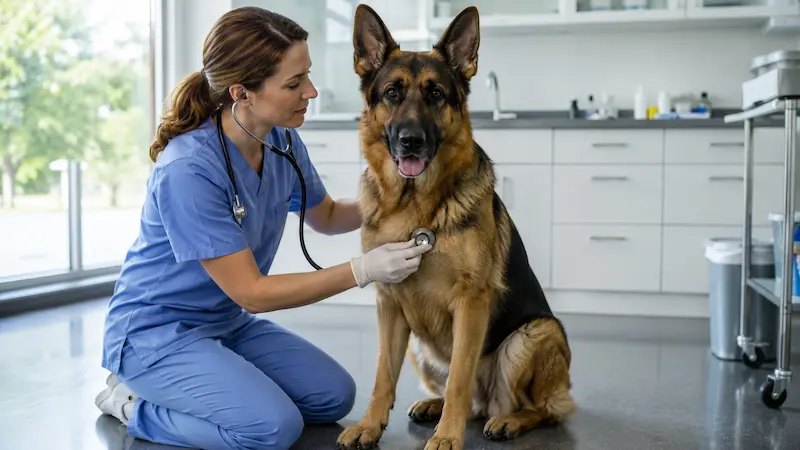
The first step is a full exam. Your vet may check gums, eyes, ears, skin, joints, belly, lymph nodes, temperature, heart, lungs, and weight.
You can help by sharing:
- When symptoms started
- Food and treats
- Current medications
- Supplements
- Flea and tick prevention
- Vaccine history
- Travel history
- Weight changes
- Stool changes
- Itching pattern
- Family health history
- Past infections
Bring photos or videos if symptoms come and go. A video of limping or breathing trouble can be very helpful.
Blood Work, Imaging, and Special Tests:
Common tests may include:
| Test | What It Helps Check |
| CBC | Red cells, white cells, platelets |
| Chemistry panel | Liver, kidney, protein, electrolytes |
| Urinalysis | Kidney health, infection, inflammation |
| Thyroid test | Hormone-related skin or energy issues |
| Fecal test | Parasites and gut problems |
| Skin cytology | Bacteria or yeast |
| Allergy testing | Environmental allergy planning |
| X-rays | Joints, bones, chest, abdomen |
| Ultrasound | Internal organs |
| Joint tap | Immune-mediated joint disease |
| TLI test | Exocrine pancreatic insufficiency |
| Fungal testing | Suspected fungal disease |
For autoimmune blood problems, your vet may look for anemia, platelet loss, abnormal cell destruction, clotting issues, or signs of secondary disease.
For skin disease, diagnosis often involves ruling things out. Fleas, mites, yeast, bacteria, food sensitivity, and environmental allergies can look similar.
Why Follow-Up Matters:
Immune disorders can change. A dog may improve, then flare again. Medication doses may need adjusting. Blood values may shift. That is why follow-up appointments are not optional.
Monitoring helps your vet:
- Check if treatment is working
- Catch side effects early
- Reduce medication safely
- Adjust the plan
- Prevent relapse
- Track long-term health
Owners sometimes stop medicine when the dog looks better. That can be risky. With an immune disease, symptoms may improve before the immune system is fully controlled. Always follow your vet’s tapering plan.
Treatment Options and Long-Term Management:
Treatment depends on the exact disorder, severity, age, test results, and overall health. Many German Shepherd immune system disorders can be managed well with the right plan. The goal is to control inflammation, protect organs, reduce flare-ups, and give the dog a good quality of life.
Medication and Monitoring:
Autoimmune conditions may need medication that calms the immune system. These medicines can help stop the body from attacking itself. However, they can also have side effects, so monitoring is important.
Treatment depends on the confirmed diagnosis and may include prescription medicine, supportive care, dietary changes, or regular monitoring. The correct plan depends on examination and test results. Owners should not start, stop, or change medication without veterinary guidance. Never give human pain medicine to a dog unless a veterinarian specifically instructs you to do so.
Never give human medication without veterinary advice. Common human pain relievers can be dangerous or deadly for dogs.
Nutrition, Rest, and Home Support:
Home care is a big part of long-term success. A German Shepherd with an immune disease needs consistency. Think of it like building a steady routine rather than chasing quick fixes.
Helpful home steps include:
- Feed a complete and balanced diet
- Keep treats simple and consistent
- Avoid sudden food changes
- Use vet-approved flea control
- Keep bedding clean
- Bathe only with the recommended shampoo
- Maintain a healthy weight
- Provide moderate exercise
- Reduce stress
- Track symptoms
- Attend follow-ups
For itchy dogs, bathing can help when done correctly. But harsh shampoos can make skin worse. Use products your vet recommends.
For joint inflammation, rest during flare-ups matters. Do not force hard running if your dog is limping or stiff. Gentle movement may be better once pain is controlled.
Quality of Life Planning:
Long-term disease can feel overwhelming. But many German Shepherds still live happy lives with immune disorders. The key is to watch the quality of life.
Ask yourself:
- Is my dog eating well?
- Does he enjoy walks or play?
- Is pain controlled?
- Is itching controlled?
- Is he sleeping comfortably?
- Are flare-ups becoming less frequent?
- Can we manage the treatment plan safely?
A good vet-owner partnership makes all the difference. You do not have to handle it alone.
Prevention and Immune Support Tips:
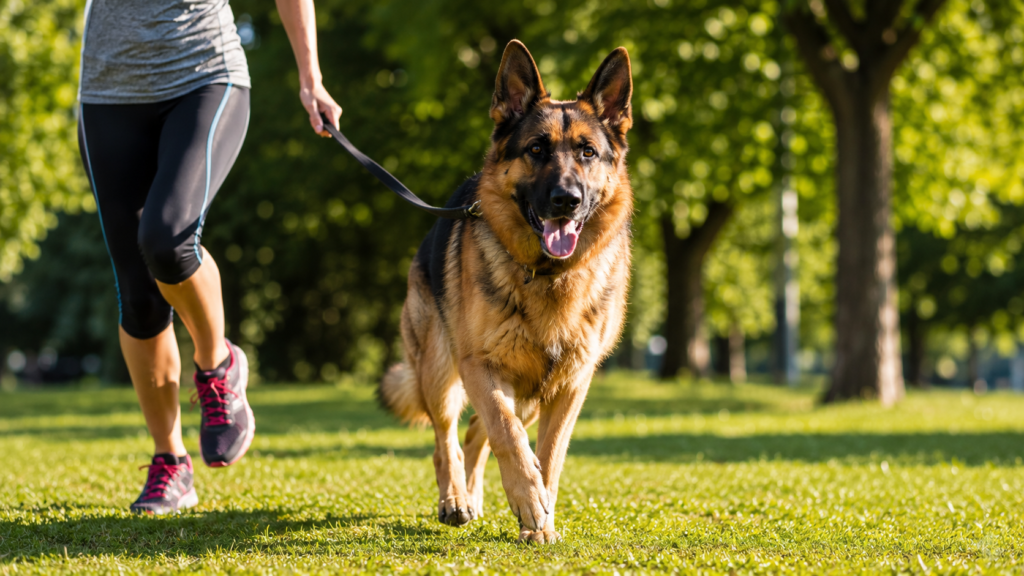
You can’t prevent every immune disorder. Still, smart care can lower risk, reduce flare-ups, and help your German Shepherd stay stronger.
Routine Vet Care:
Regular checkups help catch problems early. Healthy adult dogs often need yearly exams. Dogs with chronic disease may need visits more often.
Routine care may include:
- Physical exam
- Weight check
- Dental exam
- Skin and ear check
- Blood work
- Parasite screening
- Vaccine planning
- Flea and tick prevention
- Diet review
Early testing can find issues before they become severe. This is especially useful for older German Shepherds.
Balanced Diet and Healthy Weight:
A strong immune system needs good nutrition. Feed a high-quality diet that matches your dog’s age, weight, activity level, and medical needs.
Good nutrition supports:
- Skin barrier health
- Gut health
- Muscle strength
- Healing
- Energy
- Healthy weight
- Coat quality
Avoid overfeeding. Extra weight increases inflammation and stress on joints. German Shepherds already carry a risk for orthopedic issues, so lean body condition is important.
Ask your vet about omega-3 fatty acids if your dog has skin or joint inflammation. Do not add supplements randomly. Some can interfere with medication or upset the stomach.
Clean Living and Stress Control:
Small daily habits matter.
Try these steps:
- Wash bedding weekly
- Vacuum often
- Use unscented cleaning products when possible
- Keep ears dry after baths
- Rinse paws after high-pollen walks
- Avoid smoke exposure
- Control fleas year-round
- Keep a steady routine
- Provide mental enrichment
- Give your dog a quiet rest space
German Shepherds need both exercise and purpose. Boredom can create stress. Training games, scent work, puzzle toys, and calm walks can help.
When to Call the Vet Early:
Don’t wait too long if symptoms repeat. Call your vet if your dog has:
- Itching for more than a few days
- Repeated ear infections
- Diarrhea that returns often
- Weight loss
- Low energy
- Limping that shifts legs
- Fever
- Bruising
- Pale gums
- Unusual bleeding
With immune disorders, early care is usually easier than crisis care.
Veterinary References and Resources:
The following veterinary resources provide additional information about immune-related disorders in dogs:
- The Immune System of Dogs:
https://www.merckvetmanual.com/dog-owners/immune-disorders-of-dogs/the-immune-system-of-dogs - Immune-deficiency Diseases in Dogs:
https://www.merckvetmanual.com/dog-owners/immune-disorders-of-dogs/immune-deficiency-diseases-in-dogs - Allergies in Dogs:
https://www.merckvetmanual.com/dog-owners/skin-disorders-of-dogs/allergies-in-dogs - Exocrine Pancreatic Insufficiency in Dogs:
https://www.merckvetmanual.com/digestive-system/the-exocrine-pancreas/exocrine-pancreatic-insufficiency-in-dogs-and-cats
These resources are widely used by veterinary professionals and can help owners better understand diagnosis, treatment, and long-term management options.
FAQ’s:
What are the most common German Shepherd immune system disorders?
Common immune-related topics include allergies, atopic skin disease, immune-mediated blood disorders, immune-mediated joint disease, and immune-deficiency conditions. Digestive or infectious diseases may cause similar symptoms but are not automatically immune disorders.
Are German Shepherds more prone to autoimmune disease?
Some immune-related conditions have been reported in German Shepherds, but breed alone does not establish a diagnosis or predict an individual dog’s future health. A veterinarian must assess the dog’s symptoms and test results.
What is the first sign of an immune disorder in a German Shepherd?
It depends on the disorder. Itching, ear infections, tiredness, weight loss, pale gums, bruising, or shifting lameness can all be early signs.
Can diet help German Shepherd immune system disorders?
Diet can help some dogs, especially those with food sensitivity, skin issues, or digestive problems. A vet-guided diet trial is best.
Are immune disorders in German Shepherds curable?
Some are controlled rather than fully cured. With proper treatment, many dogs live comfortable, active lives.
Conclusion:
German Shepherd immune system disorders can affect many areas of the body, including the skin, blood, joints, digestive system, and natural defenses against infection. While some conditions are mild and manageable, others require prompt veterinary attention to prevent serious complications.
The most important thing owners can do is pay attention to changes. Persistent itching, recurring ear infections, unexplained weight loss, unusual bruising, low energy, or shifting lameness should never be ignored. Small symptoms are often the first clues that something deeper may be happening.
Fortunately, many immune-related conditions can be successfully managed with early diagnosis, appropriate treatment, good nutrition, and regular veterinary monitoring. By staying informed and proactive, owners can help their German Shepherd enjoy a healthier, more comfortable, and more active life for years to come.
A strong immune system plays a major role in your dog’s overall well-being, and your attention as an owner is one of the most valuable tools in protecting it.