Is Furminator Good for German Shepherds? (Use It Right)
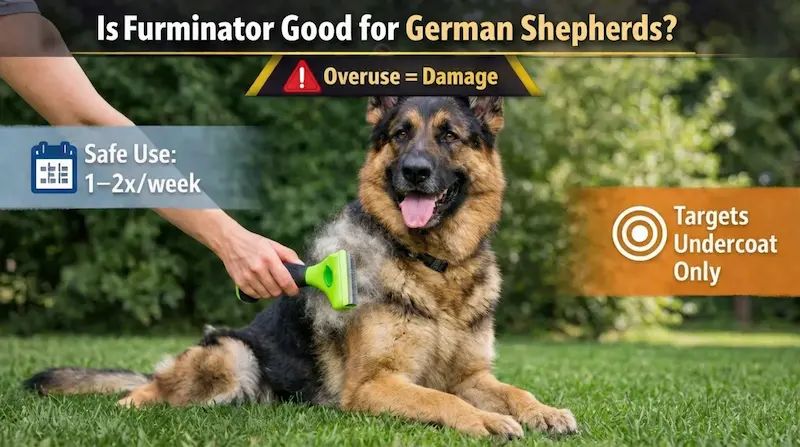
Yes, the Furminator good for German Shepherds if used correctly. It helps remove loose undercoat and reduce shedding, but overuse can damage the coat and irritate the skin. Use it gently, only once or twice a week, for safe grooming results.
Understanding how this tool works and when to use it is important. So, is Furminator good for German Shepherds, or should you consider safer alternatives for grooming your dog?
What Is Furminator and How Does It Work?
What is the Furminator?
The Furminator is a deshedding tool made to remove loose hair from a dog’s undercoat without cutting the topcoat. It is designed especially for heavy-shedding breeds.
How does the Furminator work?
It has a fine metal edge that gently passes through the top layer of fur and pulls out loose undercoat hair. This helps reduce shedding before the hair spreads around your home.
How does it remove the undercoat?
German Shepherds have a double coat:
- Topcoat (guard hair) protects against dirt, sun, and weather
- Undercoat soft layer that sheds heavily
The Furminator targets the loose undercoat, which is the main cause of excessive shedding.
Is Furminator Safe for German Shepherds?
Is it safe?
Yes, furminator good for German Shepherds but only with proper technique. Many owners use it like a regular brush, which leads to problems.
Is it safe for double-coated dogs?
This is where you need to be careful. German Shepherds rely on their double coat for temperature control. Removing too much undercoat can:
- Affect body temperature regulation
- Make the coat uneven
- Reduce natural protection
Can it damage the coat?
Yes, especially if used incorrectly:
- Pressing too hard
- Using it too often
- Brushing the same area repeatedly
Overuse can pull out healthy hair, not just loose fur.
Why do some people say it is bad?
Because it is often misused. The Furminator is not a daily grooming brush; it is a specialized tool meant for controlled use.
Also Read: Do German Shepherds Get Sick Easily?
Understanding the German Shepherd Coat and Shedding
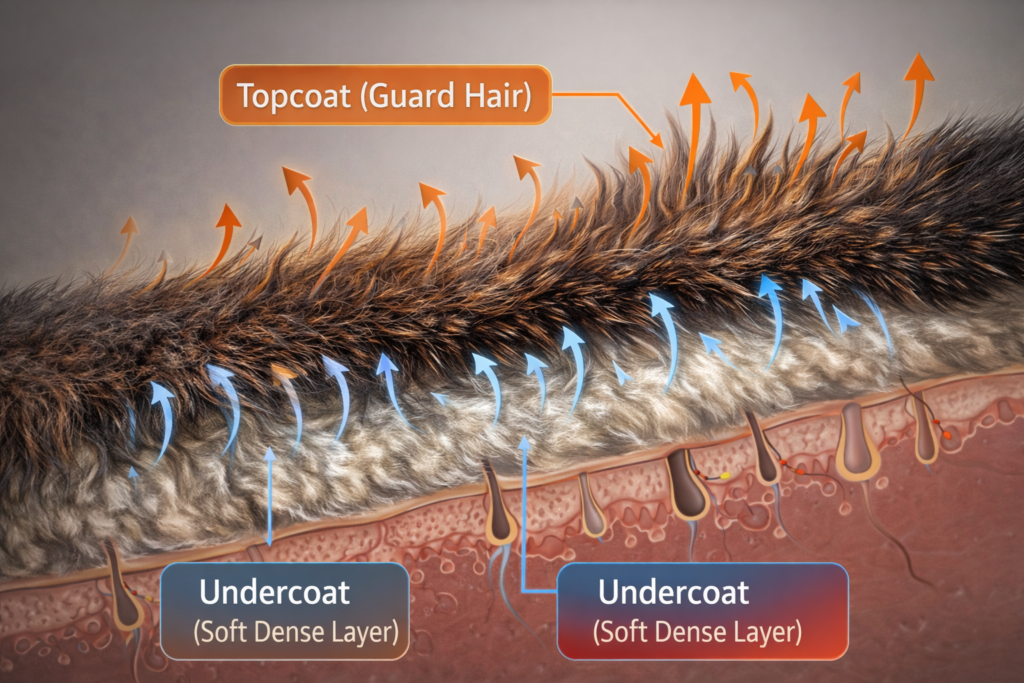
What is a double coat?
A German Shepherd has:
- A dense undercoat (for insulation)
- A strong outer coat (for protection)
Undercoat vs guard hair
- Undercoat: soft, thick, sheds heavily
- Guard hair: longer, protects skin, and repels dirt
Damaging guard hair can affect how the coat grows back.
Why do German Shepherds shed so much?
They are naturally heavy shedders. Shedding increases during:
- Spring
- Fall
This seasonal shedding is called blowing coat.
The American Kennel Club explains that German Shepherds have a double coat that sheds heavily, especially during seasonal changes.
When do they shed the most?
Twice a year heavily, but light shedding continues all year.
How to Use Furminator on a German Shepherd
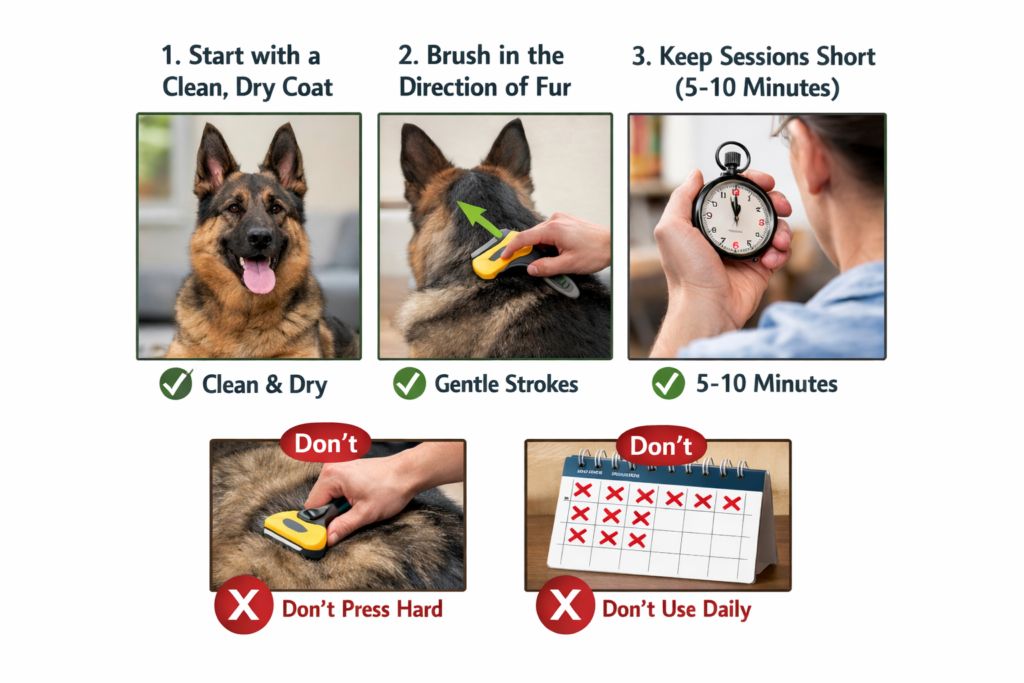
How to use it correctly
- Always use on a clean, dry coat
- Brush gently in the direction of hair growth
- Use light pressure only
- Work in short sessions (10 to 15 minutes)
Tip: If your dog’s coat is dirty or tangled, use a regular brush first.
Best deshedding routine
- Use Furminator 1 to 2 times per week
- Slightly increases during the heavy shedding season
- Avoid daily use
How often should you groom?
- Regular brushing (slicker brush) 3 to 4 times a week
- Furminator is limited to use only
Safe deshedding methods
- Use a slicker brush for daily grooming
- Use Furminator only for loose undercoat
- Be gentle and patient
Common Mistakes and Risks to Avoid
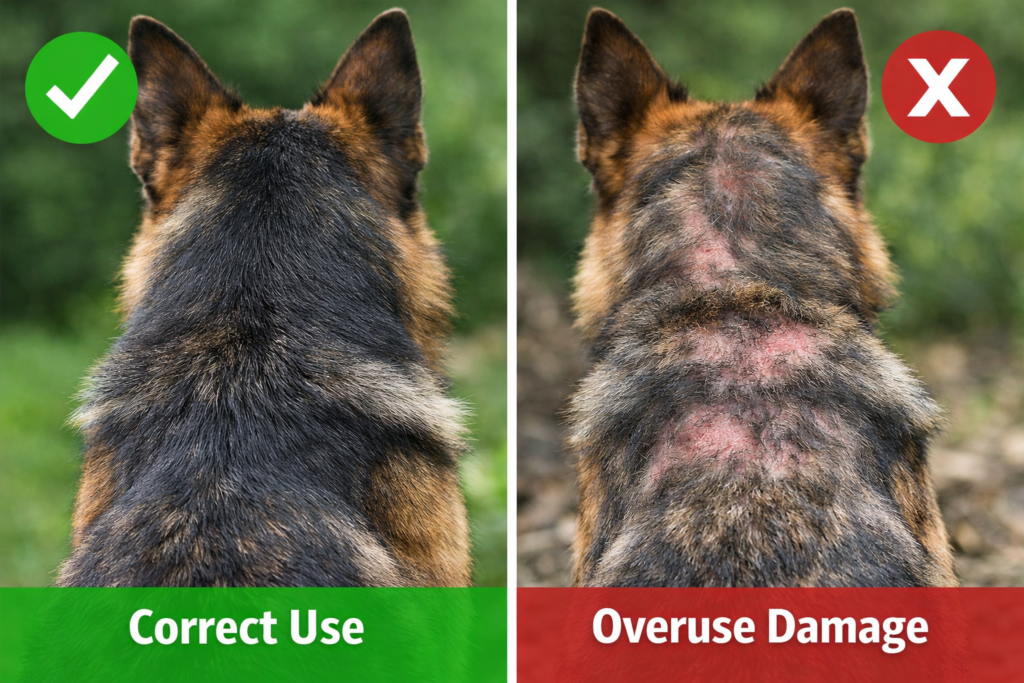
Common grooming mistakes
- Using Furminator every day
- Brushing aggressively
- Ignoring skin condition
- Using it on wet or dirty fur
Signs of over-deshedding
- Red or irritated skin
- Patchy or uneven coat
- Excessive hair loss
- Dog trying to avoid grooming
What happens if you overuse it?
- The coat becomes too thin
- Natural protection weakens
- Skin irritation increases
When should you NOT use it?
- On irritated or sensitive skin
- On wounds or infections
- On young puppies with delicate coats
Read Guide: Why Does My German Shepherd Smell So Bad?
Furminator vs Other Grooming Tools
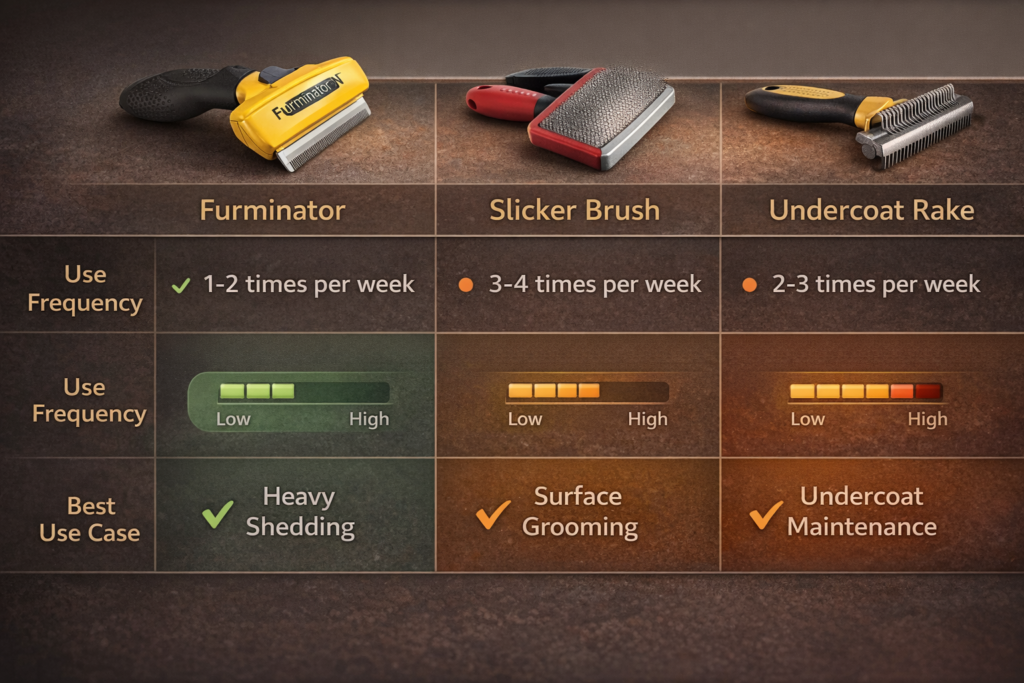
Furminator vs. Slicker Brush
- Slicker brush safe for regular use
- Furminator strong, occasional use
Furminator vs undercoat rake
- Undercoat rake is gentler and safer
- Furminator is more aggressive but effective
Best tools overall
- Slicker brush daily grooming
- Undercoat rake moderate shedding
- Furminator heavy shedding only
What do experts recommend?
Professional groomers usually suggest:
- Do not rely only on Furminator
- Use a mix of tools for the best results
Choosing the Right Furminator
How to choose
Select based on:
- Dog size
- Coat length
What size is best?
A large-sized Furminator works best for German Shepherds.
Long vs short hair version
Choose according to your dog’s coat. Using the wrong type reduces effectiveness and can cause discomfort.
How to spot a fake
- Poor build quality
- Weak or rough blade
- Missing proper packaging
Always buy from a trusted seller.
Alternatives and Better Options
Alternatives to Furminator
- Slicker brush
- Undercoat rake
- Deshedding gloves
Are expensive tools better?
Not always, but very cheap tools can damage the coat or pull hair harshly.
Best deshedding tool?
There is no single best tool. It depends on:
- Coat condition
- Shedding level
- The dog’s sensitivity
Which dogs need deshedding tools?
Heavy shedding breeds like:
- German Shepherd
- Husky
- Golden Retriever
How to Reduce Shedding Safely?
How to control shedding?
- Regular brushing
- Balanced diet (rich in omega fatty acids)
- Proper bathing routine
Reduce shedding at home
- Brush consistently
- Use the right tools
- Keep the coat clean
Maintain coat health
A healthy coat sheds less. Focus on:
- Good nutrition
- Skin care
- Consistent grooming
Grooming double-coated dogs
Never try to remove too much undercoat. The goal is balance not complete removal.
FAQ’s:
Can I Use Furminator on a German Shepherd Daily?
No, Daily use can damage the coat and irritate the skin. Use it only 1 to 2 times per week.
Does Furminator Hurt German Shepherds?
No, if used gently and correctly. It may cause discomfort only when used aggressively or too often.
Is Furminator Good for Double-Coated Dogs Like German Shepherds?
Yes, but with limited use. Overuse can remove too much undercoat and affect coat balance.
How Often Should You Use a Furminator on a German Shepherd?
Use it once or twice a week, and slightly more during heavy shedding seasons. Always keep sessions short and gentle.
What Is the Best Way to Reduce German Shepherd Shedding?
Combine regular brushing, a healthy diet, and occasional use of a deshedding tool. Consistency is more important than using one tool too often.
Conclusion
The Furminator can be a useful tool for managing shedding, but it must be used carefully. For German Shepherd owners, understanding how and when to use it is key. When used correctly, it helps reduce loose undercoat without harming the coat. So, is Furminator good for German Shepherds? Yes, but only with proper technique and a balanced grooming routine.