What Do German Shepherds Usually Die From? (Explore Risks)
German Shepherds usually die from cancer, especially hemangiosarcoma and lymphoma. Other common causes include bloat (gastric dilatation volvulus), heart disease, and degenerative myelopathy. These conditions mostly affect adult and senior dogs, although early veterinary care can sometimes improve survival and quality of life.
Learning about these risks allows owners to take preventive steps, schedule timely veterinary care, and support their German Shepherd’s long-term health and well-being.
What Are the Most Common Causes of Death in German Shepherds?
German Shepherds are strong, intelligent dogs, but like all breeds, they face certain health risks. Veterinary studies and breed health reports show that a few medical conditions account for most deaths in this breed.
The most common fatal conditions include:
- Cancer
- Bloat (gastric dilatation volvulus)
- Degenerative myelopathy
- Heart disease
- Severe joint disorders such as hip dysplasia
- Organ failure in old age
Large dog breeds often develop complex health problems because their bodies grow quickly and place greater stress on joints, organs, and the digestive system.
The good news is that early detection and proper care can greatly improve survival and quality of life.
For a detailed overview of German Shepherd health and breed information, the American Kennel Club provides trusted, veterinary-reviewed resources.
You can explore their official guide to understand more about the breed’s health and lifespan.
Is Cancer the Leading Cause of Death in German Shepherds?
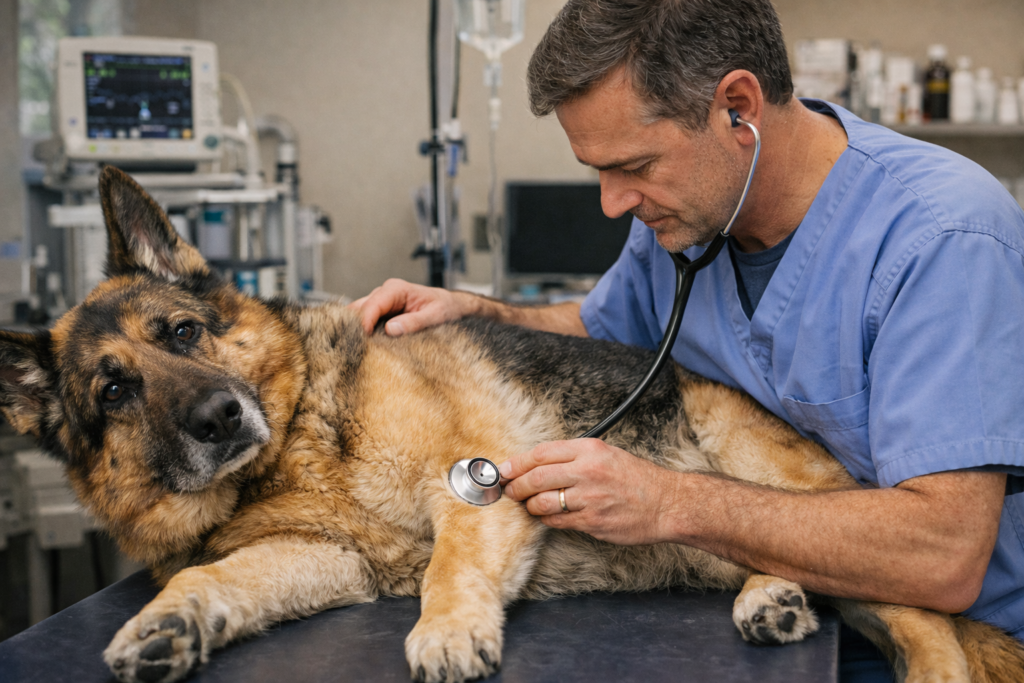
Yes, Cancer is considered one of the leading causes of death in German Shepherds, especially in senior dogs.
Veterinary reports and breed health data suggest that a large percentage of older German Shepherds eventually develop some form of cancer.
Several types appear more frequently in this breed.
Common cancers include:
- Hemangiosarcoma is a cancer that develops in blood vessel cells
- Lymphoma is a cancer affecting the immune system
- Osteosarcoma, an aggressive bone cancer often found in large breeds
- Tumors of the spleen or liver
Hemangiosarcoma is particularly dangerous because it often grows without obvious symptoms. In many cases, dogs collapse suddenly when a tumor ruptures and causes internal bleeding.
Warning signs that may indicate cancer include:
- Sudden weakness or collapse
- Pale gums
- Loss of appetite
- Unexplained weight loss
- A swollen abdomen
If any of these symptoms appear, immediate veterinary care is important.
Cancer risk is one of the biggest health concerns in this breed.
Learn why German Shepherds develop cancer more often and how owners can detect it early.
Also Read: Are German Shepherds Prone To Cancer?
Can Degenerative Myelopathy Cause Death in German Shepherds?
Degenerative myelopathy does not directly cause death, but it often leads to severe disability that significantly reduces a dog’s quality of life.
This neurological disease damages the spinal cord and slowly causes progressive paralysis in the hind legs.
Common symptoms include:
- Weakness in the back legs
- Dragging or scuffing of the paws
- Difficulty standing or walking
- Loss of coordination
As the disease progresses, dogs may also lose control of their bladder and bowel muscles. When mobility becomes extremely limited, many owners choose humane euthanasia to prevent suffering.
German Shepherds have a higher genetic risk for degenerative myelopathy compared with many other breeds.
Why Is Bloat (Gastric Dilatation Volvulus) So Dangerous for German Shepherds?
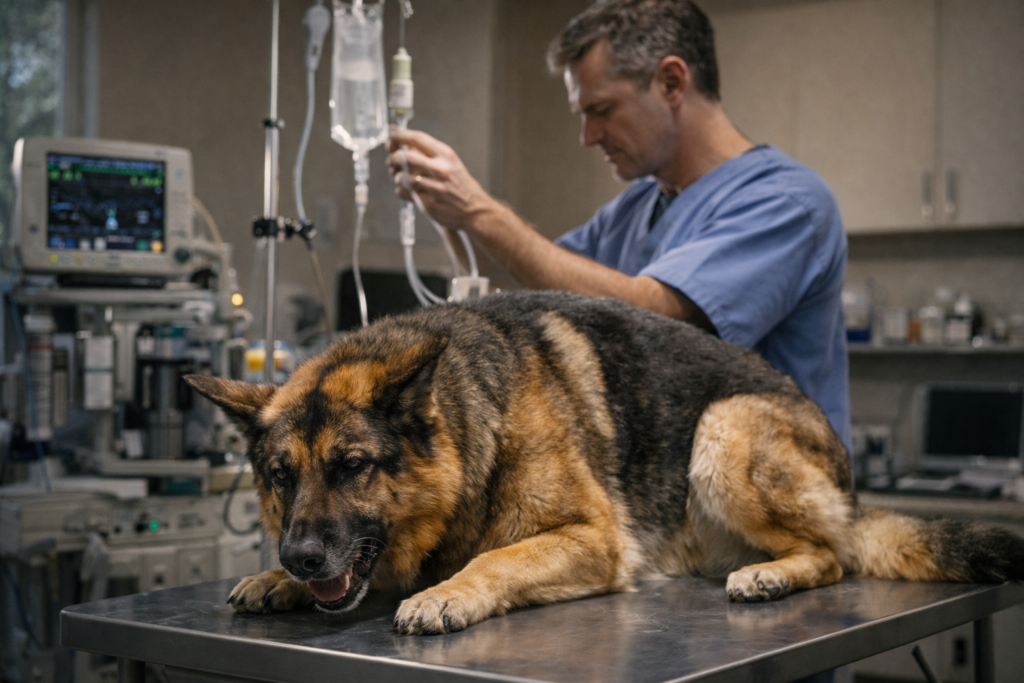
Bloat, medically called gastric dilatation volvulus (GDV), is one of the most serious emergencies in large dog breeds.
During bloat, the stomach fills with gas and then twists. This twisting blocks blood flow and prevents gas from escaping. Within a short time, vital organs begin to fail.
Without emergency surgery, death can occur within a few hours.
Common signs of bloat include:
- A swollen or tight abdomen
- Repeated attempts to vomit with little coming out
- Restlessness or pacing
- Excessive drooling
- Rapid breathing
German Shepherds have a deep chest structure, which increases the risk of stomach twisting.
Veterinarians often recommend preventive measures such as:
- Feeding smaller meals throughout the day
- Avoiding heavy exercise immediately after eating
- Using slow-feeding bowls for dogs that eat quickly
Also Read: How Common Is Bloat In German Shepherds?
Can Hip Dysplasia Shorten a German Shepherd’s Life?
Hip dysplasia usually does not cause death directly. However, it can significantly reduce a dog’s comfort, mobility, and long-term health.
Hip dysplasia occurs when the hip joint develops abnormally, causing the joint to become unstable.
Long-term effects may include:
- Severe arthritis
- Chronic pain
- Reduced movement
- Weight gain caused by inactivity
When mobility becomes severely limited, other health problems may develop, including heart strain and muscle loss. In advanced cases, euthanasia may become the most humane option.
Responsible breeding programs and maintaining a healthy weight help reduce the risk.
Also Read: Do German Shepherds Have Hip Problems?
Do Heart Diseases Affect German Shepherd Lifespan?
Yes, Heart disease can shorten a German Shepherd’s lifespan if it develops and progresses without treatment.
Some of the most common heart conditions seen in the breed include:
- Dilated cardiomyopathy
- Heart valve disease
- Congenital heart defects are present from birth
Symptoms may include:
- Persistent coughing
- Difficulty breathing
- Low energy levels
- Fainting episodes
Many heart conditions can be managed with medication, diet adjustments, and regular veterinary monitoring. Early diagnosis greatly improves survival.
Why Are German Shepherds Prone to Certain Fatal Health Problems?
Several biological and genetic factors increase the risk of disease in this breed.
Important factors include:
- Strong genetic influence from selective breeding
- Large body size and rapid growth
- Deep chest structure
- High activity level and working drive
These characteristics can place additional strain on joints, the digestive system, and internal organs.
However, responsible breeding and proper care significantly reduce many of these risks.
How Do Genetics Influence German Shepherd Health Risks?
Genetics play a major role in determining a dog’s long-term health.
Some inherited conditions commonly seen in German Shepherds include:
- Hip dysplasia
- Elbow dysplasia
- Degenerative myelopathy
- Certain cancers
Dogs from poorly managed breeding programs often carry a higher risk of inherited disease.
Organizations such as the Orthopedic Foundation for Animals encourage health screening before breeding. These tests help reduce the spread of genetic disorders within the breed.
Does Body Structure Increase the Risk of Disease?
Yes. The physical structure of German Shepherds can influence their health.
Important structural factors include:
- Deep chest that increases the risk of bloat
- Large body mass places stress on joints
- Rapid growth during puppy development
Because of these traits, proper nutrition and controlled exercise are essential during the puppy stage.
Why Are Large-Breed Dogs More Vulnerable to Joint and Organ Problems?
Large dog breeds grow faster and carry more body weight than small breeds.
This growth pattern can place additional pressure on bones, joints, and internal organs.
Large breeds often face health challenges such as:
- Joint degeneration
- Arthritis
- Heart strain
- Shorter average lifespan compared with smaller dogs
Feeding balanced nutrition designed for large breed puppies helps support healthy development.
What Health Problems Do German Shepherds Usually Die From at Different Ages?
Different life stages bring different health risks.
Understanding these risks can help owners provide better preventive care.
What Causes Death in German Shepherd Puppies?
Puppy deaths are usually related to preventable conditions.
Common causes include:
- Genetic birth defects
- Severe infections such as parvovirus
- Accidents or injuries
- Poor breeding conditions
Vaccinations, proper nutrition, and a safe living environment dramatically improve survival rates.
What Health Problems Affect Adult German Shepherds?
Adult dogs commonly experience orthopedic and digestive disorders.
These may include:
- Hip dysplasia
- Skin allergies
- Chronic digestive issues
- Exocrine pancreatic insufficiency
Regular veterinary checkups help detect these conditions early before they become severe.
What Diseases Commonly Kill Senior German Shepherds?
Older German Shepherds are more likely to develop chronic illnesses.
The most common causes of death in senior dogs include:
- Cancer
- Heart disease
- Degenerative myelopathy
- Kidney failure
- Severe arthritis complications
Veterinarians often recommend twice-yearly health checks after age seven to monitor aging dogs.
What Are the Early Warning Signs of Serious Health Problems in German Shepherds?
Many life-threatening conditions begin with subtle symptoms.
Early warning signs may include:
- Sudden weight loss
- Loss of appetite
- Weakness in the hind legs
- Chronic vomiting or diarrhea
- Difficulty breathing
- Low energy or lethargy
Recognizing these signs early can make a significant difference in treatment success.
When Should You Take Your German Shepherd to the Vet?
You should seek veterinary care immediately if your dog shows sudden or severe symptoms.
Emergency warning signs include:
- Collapse or extreme weakness
- Swollen abdomen
- Difficulty breathing
- Severe vomiting
- Loss of balance
Quick veterinary intervention can often save a dog’s life.
How Can You Prevent the Most Common Causes of Death in German Shepherds?
While not every disease can be prevented, good care significantly lowers health risks.
Important prevention steps include:
- Feeding a balanced large-breed diet
- Maintaining a healthy body weight
- Providing regular physical exercise
- Scheduling yearly veterinary exams
- Choosing responsible breeders
Can Diet and Nutrition Improve German Shepherd Lifespan?
Yes, Proper nutrition plays a major role in long-term health.
A healthy diet should include:
- High-quality protein
- Balanced calcium and phosphorus for bone health
- Omega fatty acids for joints and skin
Avoid overfeeding, as excess weight increases the risk of joint disease and heart problems.
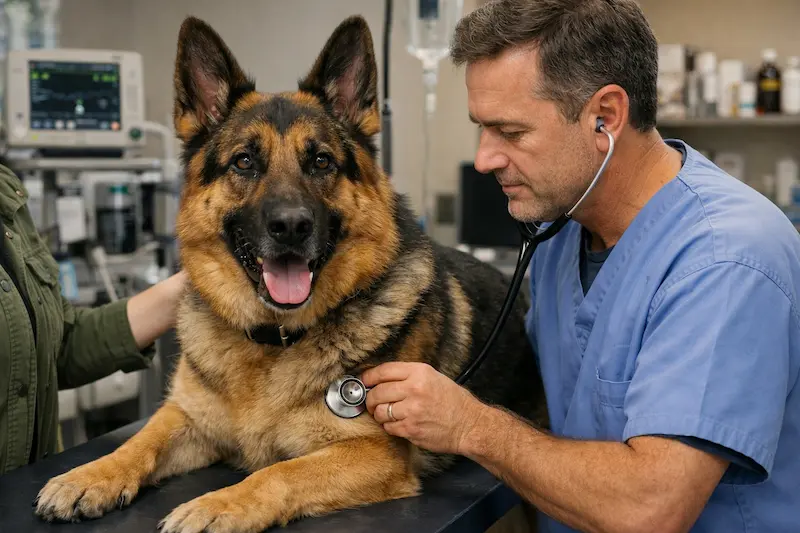
Do Regular Vet Checkups Reduce Health Risks?
Routine veterinary exams allow doctors to detect diseases before they become serious.
Veterinarians can identify early signs of:
- Cancer
- Heart disease
- Joint degeneration
- Digestive disorders
Early treatment greatly improves survival outcomes.
Should German Shepherds Have Genetic Health Testing?
Genetic testing is one of the most effective ways to reduce inherited disease risk.
Responsible breeders test their dogs for conditions such as:
- Hip dysplasia
- Elbow dysplasia
- Degenerative myelopathy
Health testing helps ensure healthier future generations of the breed.
How Long Do German Shepherds Usually Live?
Most German Shepherds live between 9 and 13 years.
With excellent care, healthy genetics, and proper nutrition, some dogs live 14 years or longer.
What Factors Affect German Shepherd Lifespan?
Several factors influence how long a German Shepherd lives.
The most important ones include:
- Genetics
- Diet quality
- Exercise level
- Body weight
- Preventive veterinary care
Can Proper Care Help German Shepherds Live Longer?
Yes. Dogs that receive proper nutrition, exercise, and preventive medical care often live longer and healthier lives.
Simple habits that can extend lifespan include:
- Maintaining a healthy weight
- Providing daily physical and mental activity
- Scheduling regular veterinary visits
- Acting quickly when symptoms appear
FAQ’s:
What is the number one cause of death in German Shepherds?
Cancer is considered the most common cause of death, particularly hemangiosarcoma and lymphoma.
At what age do most German Shepherds die?
Most German Shepherds live between 9 and 12 years, although some live longer with proper care.
Do German Shepherds die suddenly from bloat?
Yes, Bloat can cause sudden death if emergency treatment is not provided quickly.
Are German Shepherds prone to genetic diseases?
Yes, this breed has a higher risk of hip dysplasia, degenerative myelopathy, and certain cancers.
Can fatal diseases in German Shepherds be prevented?
Not completely, but risks can be reduced through responsible breeding, proper nutrition, and regular veterinary care.
| Condition | Risk Level |
|---|---|
| Cancer | Very High |
| Bloat | High |
| Heart Disease | Moderate |
| Hip Dysplasia | Moderate |
| Degenerative Myelopathy | Moderate |
Conclusion:
Understanding the most common causes of death in German Shepherds helps owners protect their dogs through better care and early detection. Conditions such as cancer, bloat, heart disease, and degenerative myelopathy are major risks. With proper nutrition, responsible breeding, regular veterinary checkups, and quick attention to symptoms, many health problems can be managed, and a German Shepherd’s lifespan can be improved.