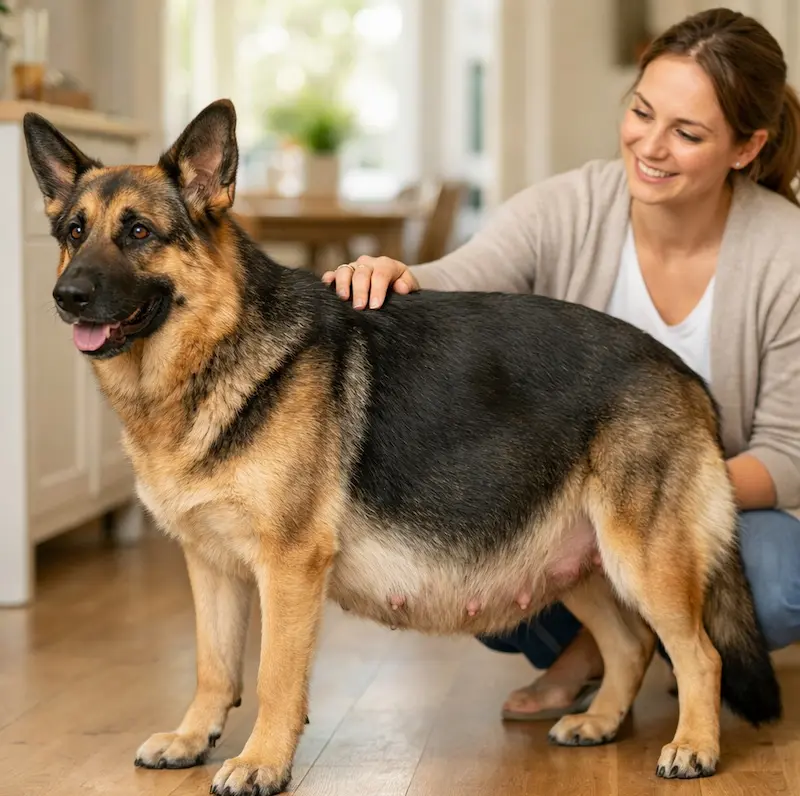
Caring for a Pregnant German Shepherd: Diet, Exercise, and Safety!
Caring for a Pregnant German Shepherd means providing balanced nutrition, moderate exercise, regular veterinary checkups, and a quiet space for whelping. Increase calories gradually, monitor health changes, avoid stress, and prepare for delivery to ensure a safe pregnancy and healthy puppies.
Many owners notice that their dog becomes more affectionate or quieter during pregnancy. Paying attention to these small changes helps you respond to her needs at the right time.
How Long Is a German Shepherd Pregnant?
The average German Shepherd pregnancy lasts about 63 days, typically ranging between 58 and 68 days.
Pregnancy Stages Overview:
| Trimester | Weeks | What Happens |
| First | 1 to 3 | Embryo implantation and early development |
| Second | 4 to 6 | Rapid fetal growth begins |
| Third | 7 to 9 | Major weight gain and final development |
Tracking ovulation gives a more accurate due date than counting from the mating day.
According to the American Kennel Club (AKC), canine pregnancy lasts about 63 days on average, and tracking ovulation gives the most accurate due date for healthy pregnancy management.
Also Read: How Long Are German Shepherd Dogs Pregnant?
Early Signs of Pregnancy in German Shepherds:
Physical Changes:
- Slight nipple enlargement
- Mild weight gain
- Temporary decrease in appetite
- Increased hunger after week 4
Behavioral Changes:
- More affection or clinginess
- Mild lethargy
- Nesting behavior in later weeks
A veterinary ultrasound around day 25 to 30 is the most reliable way to confirm pregnancy.
Also Read: Signs a German Shepherd Is Pregnant
Nutrition Plan for a Pregnant German Shepherd:
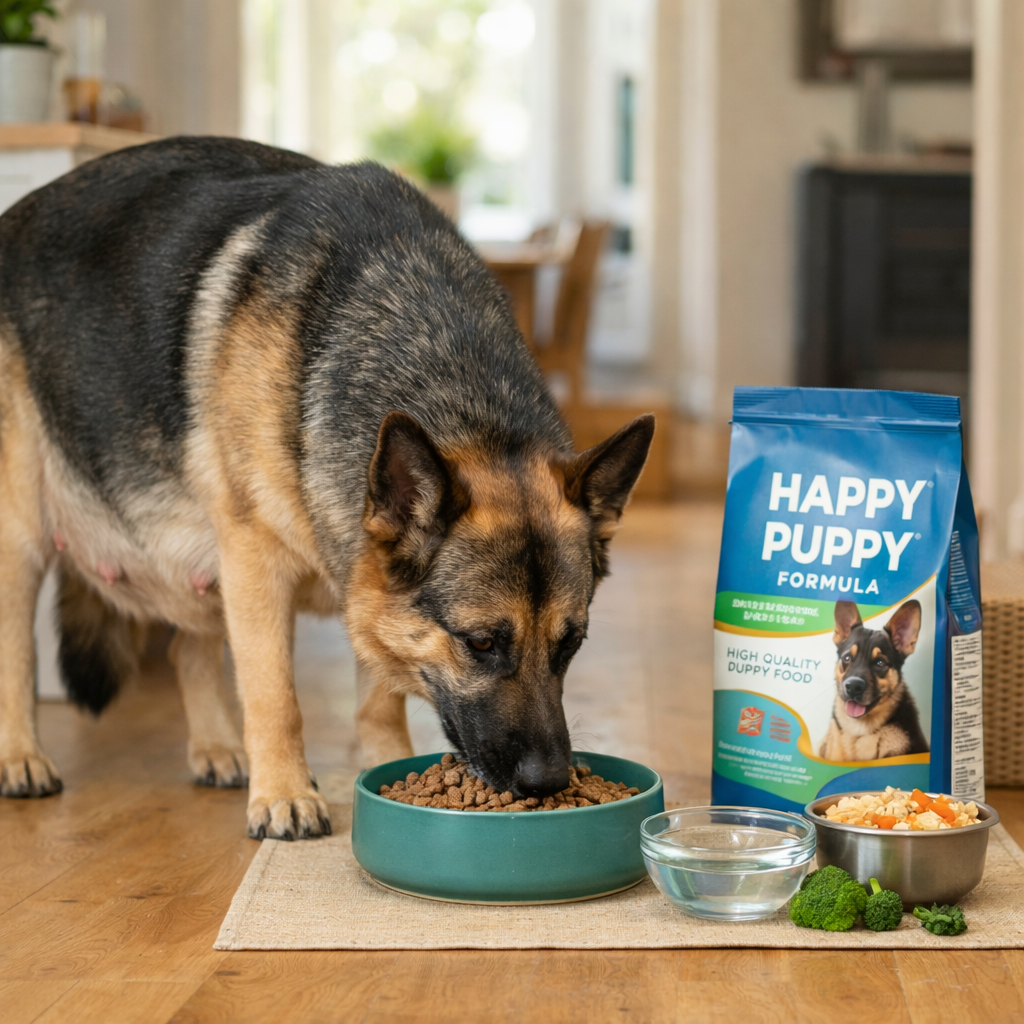
Proper nutrition is the foundation of healthy canine pregnancy and puppy development.
Weeks 1 to 3 (First Trimester)
- No major calorie increase
- Continue high-quality adult dog food
- Avoid overfeeding
Weeks 4 to 6 (Second Trimester)
- Increase food by 10 to 15%
- Gradually transition to puppy formula
- Feed 2 to 3 meals per day
Weeks 7 to 9 (Third Trimester)
- Increase calories by 30 to 40%
- Feed 3 to 4 small meals daily
- Use high-protein, energy-dense puppy food
Important Tips
- Do not give calcium unless prescribed by a vet
- Provide fresh water at all times
- DHA supplements may support brain development (vet guidance recommended)
Choosing high-quality dog food for German Shepherds is important for supporting a healthy pregnancy and puppy development.
Exercise During Pregnancy:
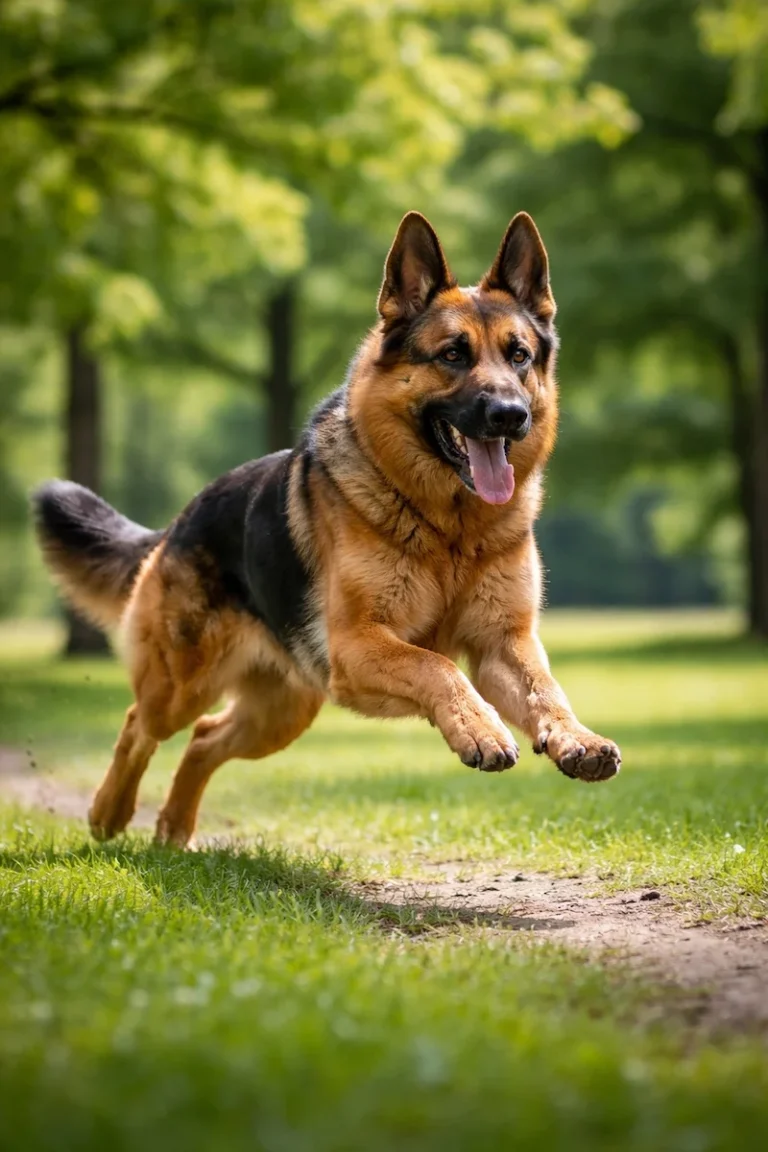
Moderate activity helps maintain muscle tone and supports easier labor.
Safe Activities:
- Short leash walks
- Gentle movement
- Light daily activity
Avoid:
- Jumping or rough play
- Agility or protection training
- Long-distance running or high-impact exercise
During the final two weeks, reduce activity and allow more rest.
Also Read: How Much Exercise Does a German Shepherd Need?
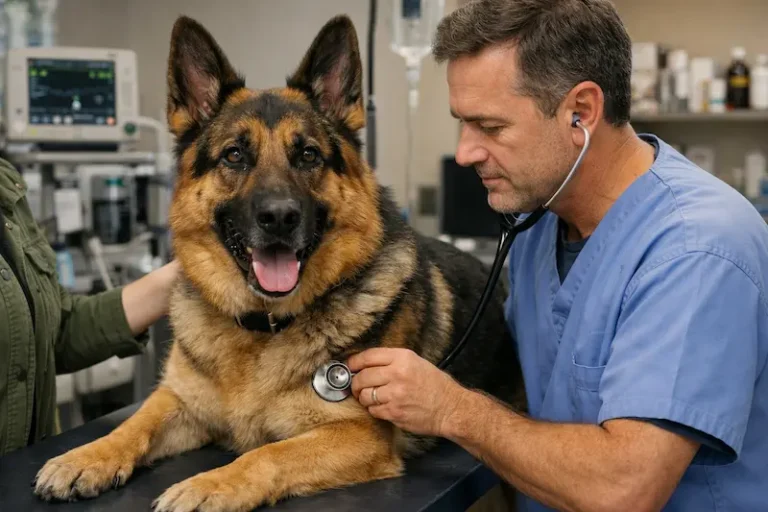
Veterinary Care Timeline:
Regular checkups reduce the risk of complications.
| Timeline | Purpose |
| Day 25 to 30 | Ultrasound confirmation |
| Day 45+ | Physical health check |
| Day 55 to 58 | X-ray to count puppies |
Knowing the litter size helps you monitor labor progress.
Preparing the Whelping Area:
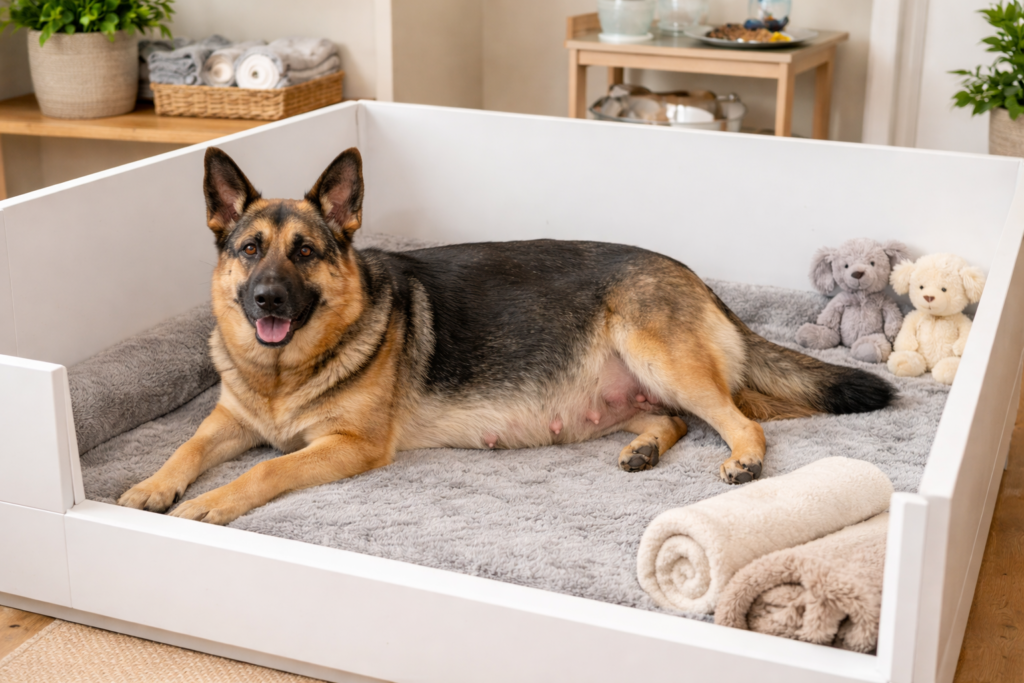
Start preparation by week 7 so your dog becomes comfortable.
Whelping Box Setup:
- Large enough for full stretching
- Raised sides for safety
- Non-slip bedding
- Warm, quiet, low-stress location
Essential Supplies:
- Clean towels
- Low-heat heating pad
- Thermometer
- Sterile scissors
- Gloves
- Puppy weighing scale
Let her rest in this area before labor to reduce anxiety.
Signs of Labor:
Labor usually begins within 24 hours after body temperature drops below 99°F (37.2°C).
Stage 1 (Pre-Labor)
- Restlessness
- Nesting
- Panting
- Loss of appetite
Stage 2 (Active Labor)
- Strong contractions
- Puppy delivery
Call Your Vet Immediately If:
- Strong contractions for 30 minutes with no puppy
- More than 2 hours between puppies
- Green discharge appears before the first puppy
Postpartum Care for the Mother:
After delivery, continue monitoring her closely.
Watch for:
- Fever
- Refusal to nurse
- Swollen or painful mammary glands
- Foul-smelling discharge
Continue feeding high-calorie puppy food during lactation to support milk production.
Caring for Newborn German Shepherd Puppies:
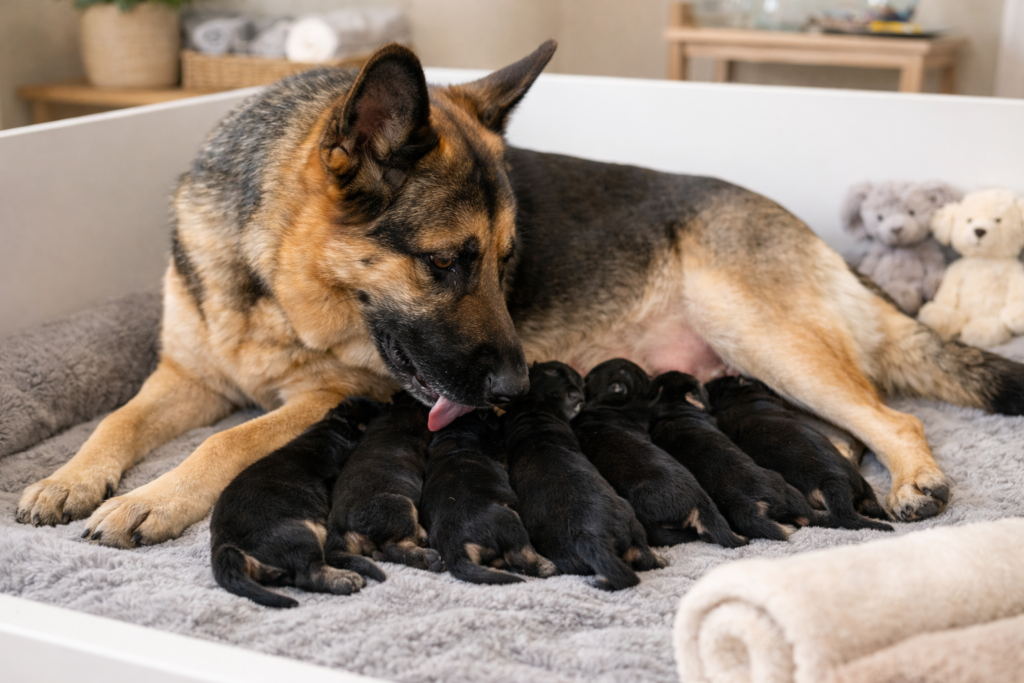
Newborn puppies depend completely on their mother during the first weeks.
Immediate Needs:
- Nursing within the first 2 hours
- Warm environment (85 to 90°F during week 1)
- Daily weight monitoring
Healthy puppies usually double their birth weight within 7 to 10 days.
Common Mistakes to Avoid:
- Increasing calories too early
- Giving calcium without veterinary advice
- Skipping pregnancy confirmation
- Allowing intense exercise
- Ignoring fever, discharge, or unusual behavior
Preventive care significantly reduces complications.
FAQ’s:
How long does a German Shepherd stay pregnant?
About 63 days, typically between 58 and 68 days.
When should I switch to puppy food?
Gradually, during weeks 4 to 5.
Is exercise safe during pregnancy?
Yes, moderate walking and light activity are recommended.
How many puppies do German Shepherds usually have?
Most litters contain 6 to 8 puppies, but numbers can vary.
Should I leave my dog alone during delivery?
No, supervision is important in case complications occur.
Conclusion:
Caring for a pregnant German Shepherd involves proper nutrition, regular veterinary care, moderate exercise, and early preparation for whelping. Each stage of pregnancy requires small adjustments, and careful monitoring helps prevent complications. With the right care and planning, you can support a safe pregnancy, smooth delivery, and healthy, thriving puppies.