Are German Shepherds’ bad breath causes? (Protect Health)
Yes. Persistent bad breath in German Shepherds is usually caused by dental disease, poor diet, digestive problems, anal gland issues, or medical conditions like kidney disease or diabetes. It is not normal and should never be ignored.
In this guide, we will explore that Are German Shepherd’s bad breath causes the real causes of bad breath helps owners act early, protect their dog’s health, and prevent small issues from turning into painful or costly problems.
What Healthy German Shepherd Breath Should Smell Like?
A healthy German Shepherd’s breath should:
- Smell mildly meaty
- Fade quickly after eating
- Never fill a room
Any breath that smells fishy, sour, sweet, metallic, rotten, or ammonia-like is abnormal and needs attention.
Also Read: Why Does My German Shepherd Smell So Bad?
Why German Shepherds Are More Prone to Bad Breath?
German Shepherds have breed-specific traits that increase oral and digestive health risks:
- Wide spacing between teeth that traps food
- Faster plaque and tartar buildup
- Higher risk of gum disease
- Sensitive digestive systems
Because of this, dental care is not optional for German Shepherds it is essential for long-term health.
Poor Dental Hygiene (The Most Common Cause)
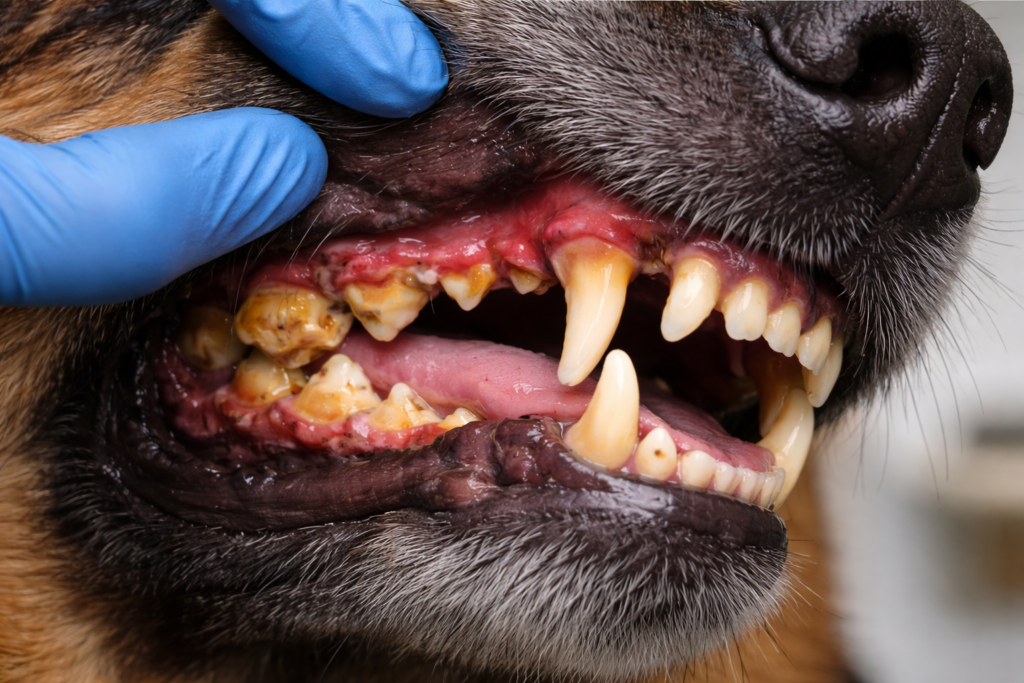
In most cases, bad breath starts with neglected dental care.
Also read: Do German Shepherd Ears Smell Bad?
How Odor Develops Over Time:
- Food debris sticks between teeth
- Bacteria multiply
- Plaque hardens into tartar
- Gums become inflamed
- Odor becomes stronger and more persistent
Once tartar forms, brushing alone is no longer enough. Professional veterinary cleaning is required.
Warning Signs Owners Often Miss:
- Yellow or brown teeth
- Red, swollen, or bleeding gums
- Dropping food while eating
- Excessive drooling
Many dogs continue eating despite dental pain, which delays diagnosis.
Gum Disease and Oral Infections:
Gum disease progresses quietly and worsens breath at every stage.
Stages of Gum Disease
- Gingivitis
- Periodontitis
- Loose or infected teeth
- Jawbone infection
Bacteria from infected gums can enter the bloodstream and damage the heart, liver, and kidneys. Bad breath is often the first visible warning sign.
For a detailed veterinary explanation of what causes halitosis in dogs, including plaque, tartar, and gum disease, visit VCA Animal Hospitals.
Low-Quality Diet and Poor Nutrition:
Diet plays a major role in both oral and digestive health.
Foods That Commonly Worsen Breath:
- Meat by-products
- Excessive grains
- Artificial preservatives
- Sugary treats
Low-quality ingredients ferment in the mouth and gut, feeding odor-causing bacteria.
Why Protein Quality Matters:
High-quality animal protein digests efficiently, produces less waste, and supports healthier breath. Cheap fillers do the opposite.
Digestive and Gut Health Issues:
Not all bad breath comes from the mouth.
Poor digestion can cause:
- Acid reflux
- Gas buildup
- Bacterial imbalance
These gases rise through the esophagus and exit through the mouth, creating sour or rotten odors that brushing cannot fix.
Also Read: How Common Is Bloat In German Shepherds?
Anal Gland Problems (Fishy Breath)
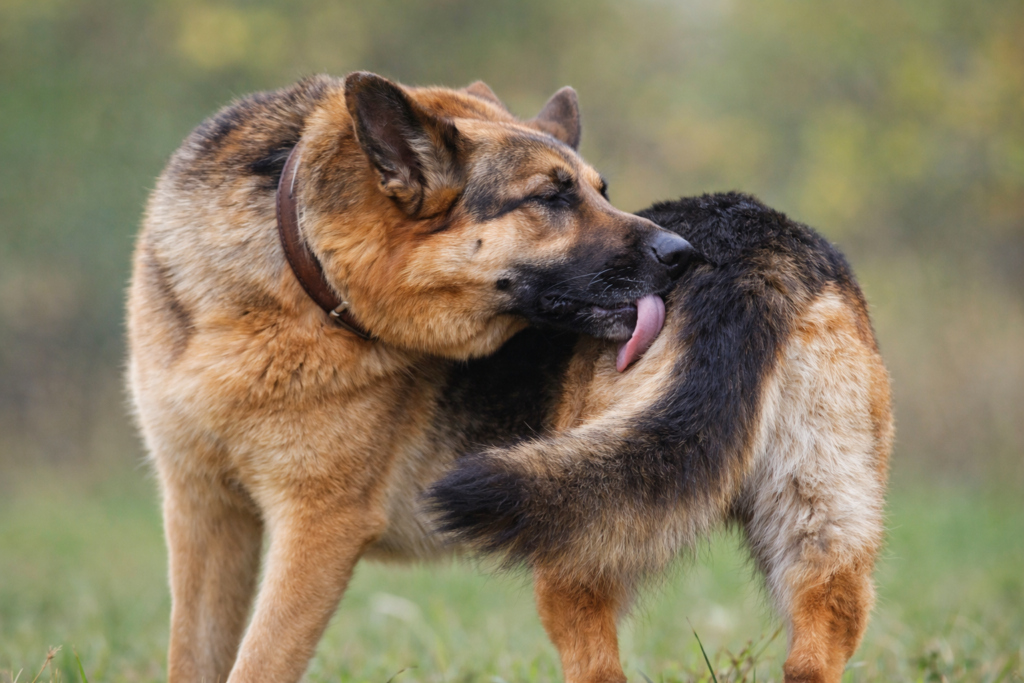
A strong fishy smell often points to anal gland issues.
How Anal Glands Affect Breath
When anal glands are full or infected:
- Dogs lick the area frequently
- Bacteria transfer to the mouth
- Breath develops a strong fishy odor
This condition requires veterinary treatment, not breath sprays or dental chews.
Also Read: Do German Shepherds Have a Fishy Smell?
Kidney Disease (A Commonly Overlooked Cause)

Kidney disease is a serious but often missed cause of bad breath.
Kidney-Related Breath May Smell Like:
- Ammonia
- Urine
- Metallic odor
As toxins build up in the bloodstream, they escape through the lungs. Bad breath may appear before more obvious symptoms, such as weight loss or lethargy.
Chronic illness, including cancer, can affect overall health and lifespan, especially since German Shepherds are prone to cancer as they age.
Diabetes and Metabolic Disorders:
Metabolic conditions can dramatically change breath odor.
Sweet or Fruity Breath Explained:
Diabetes can cause ketone production, which can lead to a sweet or fruity odor. This is a medical emergency and requires immediate veterinary care.
Foreign Objects Stuck in the Mouth:
German Shepherds chew aggressively, increasing the risk of trapped objects.
Common Objects That Cause Localized Odor:
- Bone fragments
- Toy splinters
- Sticks
These objects decay between teeth, causing infection and a strong, localized odor.
Aging and Immune Decline:
Senior German Shepherd experience:
- Weaker immune response
- Slower healing
- Higher infection risk
Age increases vulnerability, but bad breath is still not normal and should always be investigated.
How Veterinarians Diagnose the Cause?
Accurate diagnosis may include:
- Full oral examination
- Dental X-rays
- Blood tests
- Urine analysis
- Digestive assessment
Treating odor without identifying the root cause almost always leads to recurrence.
Proven Ways to Eliminate German Shepherd Bad Breath:
Daily Oral Care:
- Brush teeth 3 to 4 times per week
- Use dog-specific toothpaste
- Offer vet-approved dental chews
Diet Improvements:
- Switch to high-quality dog food
- Avoid table scraps
- Add safe crunchy vegetables
- Ensure constant access to clean water
Medical Treatment When Needed:
- Professional dental cleaning
- Antibiotics for infections
- Treatment for kidney, digestive, or metabolic disease
Prevention Strategies That Actually Work:
- Start dental care early
- Schedule annual vet checkups
- Monitor breath weekly
- Act immediately on odor changes
Prevention protects your dog’s health and reduces long-term costs.
FAQ’s:
Are German Shepherd’s bad breath causes always related to dental problems?
No. Dental disease is common, but digestive issues, anal gland problems, kidney disease, or diabetes can also cause bad breath.
Can a German Shepherd’s bad breath indicate a serious illness?
Yes. Strong or unusual breath odors may be an early sign of kidney disease, diabetes, or internal infection.
Is bad breath normal in German Shepherd puppies?
No. A mild odor during teething is possible, but persistent bad breath is not normal and requires attention.
What does fishy breath in a German Shepherd usually mean?
Fishy breath often indicates anal gland issues or a bacterial imbalance and usually requires veterinary treatment.
How can I reduce a German Shepherd’s bad breath naturally?
Regular tooth brushing, high-quality food, clean water, and routine vet checkups help control bad breath naturally.
Conclusion:
Causes of a German Shepherd’s bad breath should never be ignored. Persistent odor is often an early sign of dental disease, digestive issues, or serious medical conditions. Paying attention to breath changes and acting early helps protect your dog’s health, comfort, and lifespan. Bad breath is not cosmetic; it is a warning signal.