Do German Shepherds Smell After A Bath? (Learn More)
Yes, German Shepherds can smell after a bath if their coat stays damp, skin issues exist, or shampoo isn’t rinsed properly. Proper drying, dog-specific shampoo, and checking ears and skin usually prevent post-bath odor in most healthy, well-groomed dogs’ situations.
In this guide, we explain the real reasons behind post-bath odor and what it says about your dog’s skin and coat health.
Why Do German Shepherds Smell After a Bath?
A German Shepherd may smell after a bath because bathing alone does not fix the root cause of odor. The most common reasons include trapped moisture in the undercoat, skin bacteria, ear problems, or shampoo residue left on the skin. When water stays close to the skin, it creates a warm, damp environment where bacteria and yeast grow fast. This can cause a strong smell within hours. Without proper drying and aftercare, the odor often returns even after a thorough wash.
Also Read: Why Does My German Shepherd Smell So Bad?
What Causes a German Shepherd to Smell Even After Washing?
Several factors can cause a German Shepherd to smell even after washing. The most common issues are incomplete drying, skin infections, ear dirt, anal gland problems, and improper shampoo selection. This breed’s dense double coat easily traps moisture deep near the skin. If the undercoat is not fully dried, odor develops quickly. In many cases, the smell does not come from the fur itself but from the skin, ears, or glands.
Also Read: Are German Shepherds Allergic To?
How Can You Stop a German Shepherd From Smelling After a Bath?
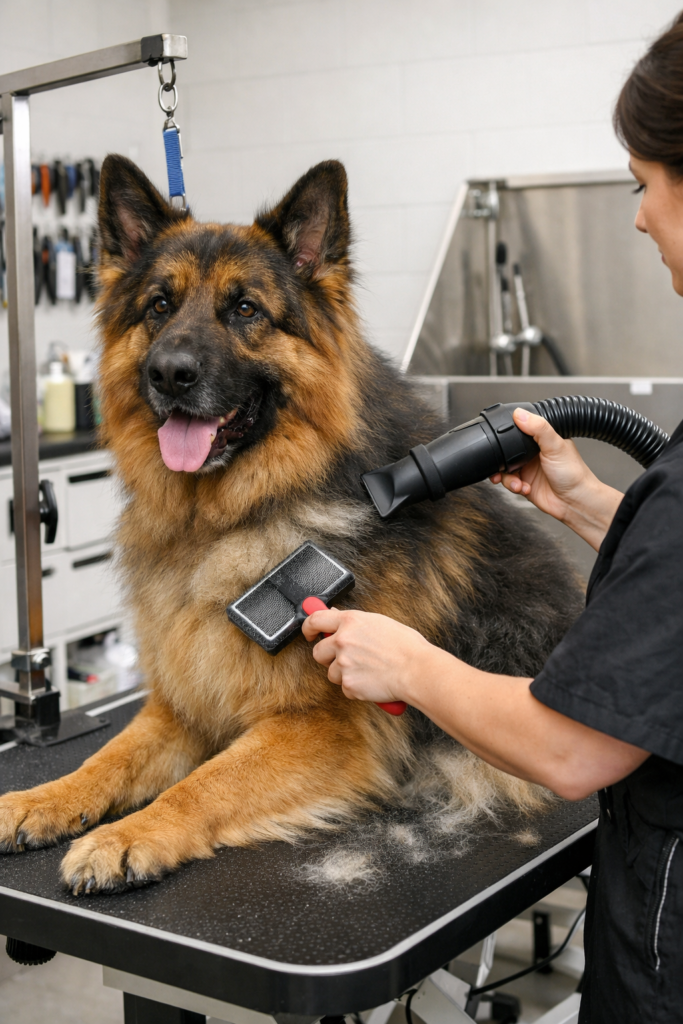
You can prevent post-bath odor by addressing the root causes instead of masking the smell. Consistent grooming habits make the biggest difference.
- Dry your dog completely after every bath using towels and a dog-safe dryer
- Brush before and after bathing to remove loose hair and improve airflow
- Use a dog-specific shampoo designed for sensitive skin or odor control
- Clean and dry the ears weekly to prevent infections
- Wash dog bedding and blankets at least once a week
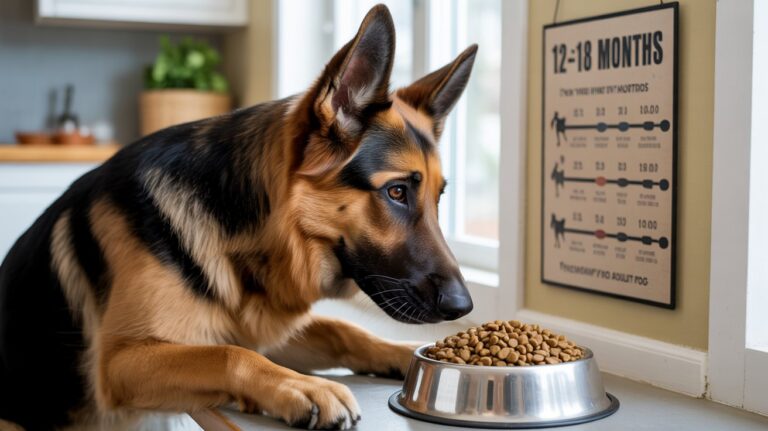
- Feed a balanced diet that supports skin and coat health
When these steps are followed regularly, the lingering odor usually disappears.
Also Read: How Much Exercise Does a German Shepherd Need?
How Often Should a German Shepherd Be Bathed?
A German Shepherd should be bathed every six to eight weeks under normal conditions. Bathing too often strips the skin of natural oils, causing irritation and excess oil production. This can actually make the odor worse over time. Dogs with skin conditions may need more frequent baths using medicated shampoo, but only under veterinary guidance. Between baths, regular brushing and spot cleaning are more effective than frequent washing.
Does Diet Affect German Shepherd Body Odor?
Yes, diet plays a major role in body odor. Low-quality food can lead to oily skin, inflammation, itching, and yeast growth, all of which cause strong smells. Dogs fed high-quality protein, healthy fats, and balanced nutrients usually have healthier skin and less odor. Omega-3 fatty acids help reduce inflammation and support the skin barrier. Many owners notice odor improvement within a few weeks after upgrading their dog’s diet.
Can Health Problems Cause a German Shepherd to Smell Bad?
Yes, hidden health problems are a common cause of persistent odor. Skin infections, ear infections, allergies, and hormonal imbalances can all produce strong smells. Yeast infections often smell musty or sweet, while bacterial infections smell sharp or rotten. If your dog smells bad despite good grooming, a veterinary exam is important. Treating the underlying issue usually eliminates the odor.
If your dog still smells after proper care, this trusted vet‑backed guide explains the exact causes and what vets look for in‑depth veterinary insights on why dogs smell bad even after a bath. Check this expert guide: Why Does My Dog Smell So Bad Even After a Bath?
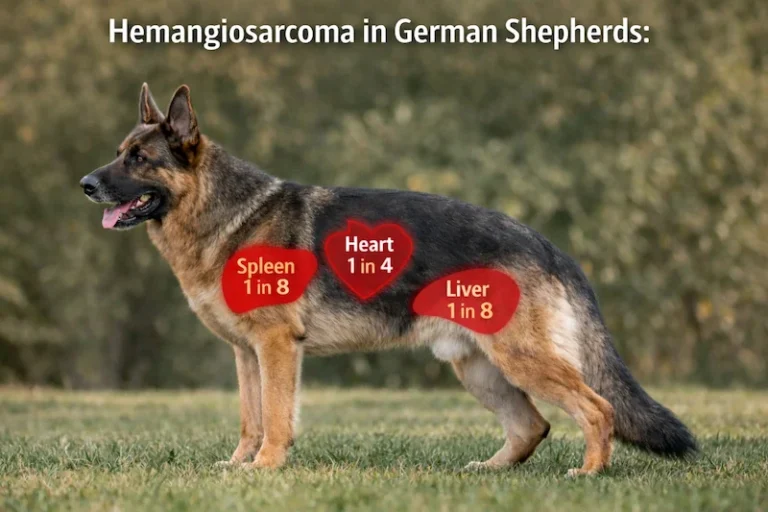
Also Read: Hemangiosarcoma in German Shepherds?
Can German Shepherd Odor Be Eliminated Completely?
You cannot remove a dog’s natural scent completely, but unpleasant odors can be controlled. German Shepherds produce natural oils that protect their skin and coat. The goal is not to eliminate all smells but to prevent strong or unhealthy odors. With proper grooming, diet, ear care, and routine health checks, your dog should smell clean most of the time.
Does the German Shepherd Double Coat Trap Odor?
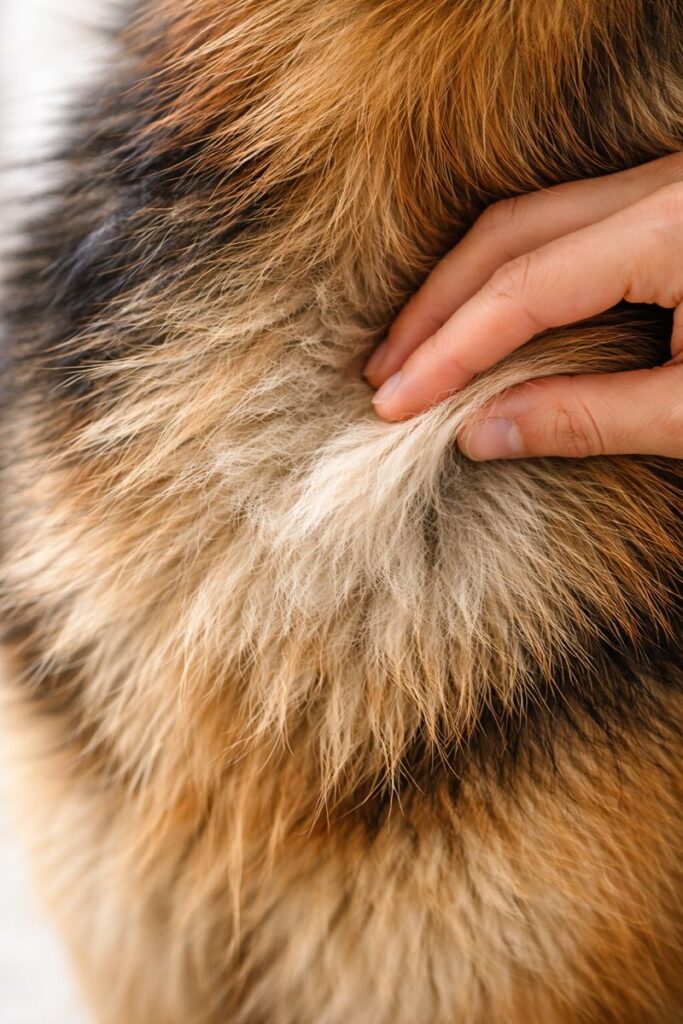
Yes, the double coat easily traps odor. The thick undercoat holds moisture, dirt, and dead skin close to the body. Washing only the top coat does not remove odor trapped underneath. Deep brushing before bathing and thorough drying afterward are essential. This is why German Shepherds require more grooming care than short-coated breeds.
Can Incomplete Drying Cause a Bad Smell After a Bath?
Yes, incomplete drying is the most common cause of post-bath odor. Damp fur creates ideal conditions for bacteria and yeast to multiply. Even a slightly wet undercoat can cause a noticeable smell within hours. Always dry the coat down to the skin, especially around the neck, chest, belly, armpits, and behind the ears.
Do Skin Infections Make German Shepherds Smell?
Yes, skin infections often produce strong, persistent odors. Yeast infections usually smell sweet or musty, while bacterial infections smell sharp and unpleasant. Regular shampoo will not remove these odors. Medicated treatment is required. Redness, hair loss, flaking, or constant scratching are common signs of infection and should not be ignored.
Can Ear Infections Cause Odor in German Shepherds?
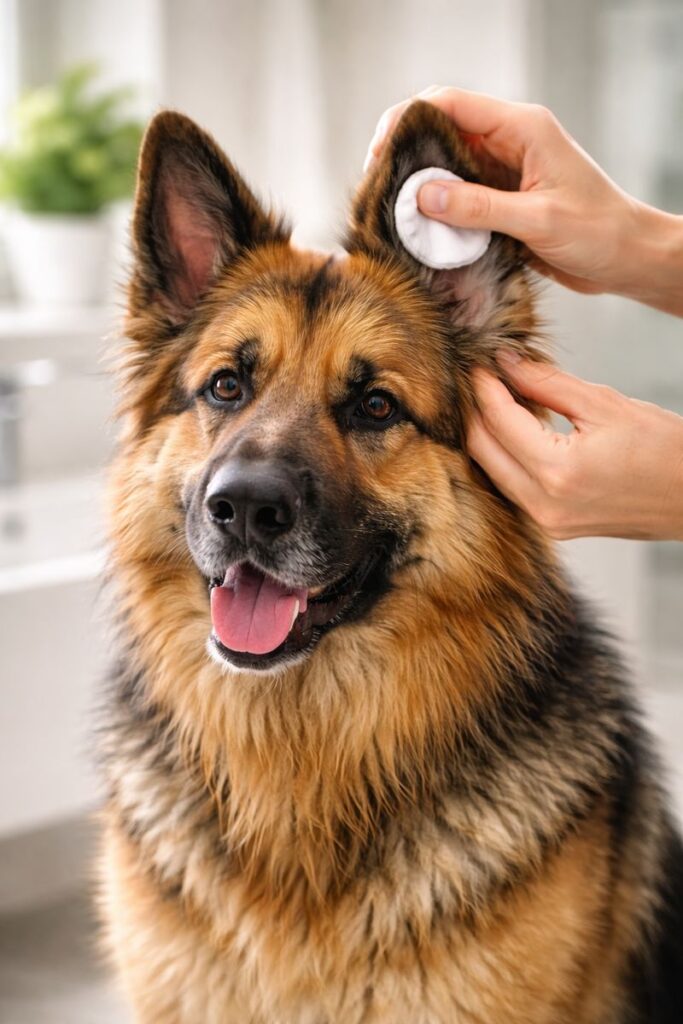
Yes, ear infections are a major source of odor in German Shepherds. Infected ears often smell sour, cheesy, or rotten. Water trapped during bathing can worsen the problem. Many owners mistake ear odor for body odor. Clean ears weekly and keep them dry. If the smell is strong or returns quickly, veterinary treatment is needed.
Do Anal Glands Cause a Fishy Smell?
Yes, anal glands can cause a sudden fishy or metallic smell. Bathing does not solve this issue. If the glands are full or infected, the odor may appear without warning. Dogs may lick the area or scoot on the floor. A groomer or veterinarian can safely express the glands when necessary.
Does Using the Wrong Shampoo Increase Odor?
Yes, using the wrong shampoo can worsen odor. Human shampoos and harsh products damage the skin barrier and disrupt natural oils. This leads to irritation and increased oil production. Strong fragrances only mask odor temporarily. Always use a gentle, dog-specific shampoo that supports healthy skin.
Is Professional Grooming Better Than Home Bathing for Odor Control?
Professional grooming often provides better odor control because groomers use high-powered dryers and remove loose undercoat more effectively. They ensure the coat is completely dry, which reduces bacterial growth. Home bathing can work well when done correctly. For dogs with ongoing odor issues, professional grooming every few months can make a noticeable difference.
FAQ’s:
Do German Shepherds have a natural bad smell?
German Shepherds have a natural dog scent, but it should not be unpleasant. A strong odor usually indicates poor drying, skin issues, or ear problems.
Why does my German Shepherd smell worse after a bath?
This often happens when the coat stays damp or when shampoo residue remains on the skin. Moisture allows bacteria and yeast to grow fast.
What is the best shampoo for German Shepherd odor?
A dog-specific, pH-balanced shampoo with oatmeal or antibacterial ingredients is most effective. Avoid human or heavily scented shampoos.
Can brushing reduce the German Shepherd’s smell?
Yes, regular brushing removes dead hair, dirt, and oils that trap odor. Brushing also helps the coat dry faster after baths.
When should I take my German Shepherd to the vet for a bad smell?
See a vet if the smell is strong, persistent, or accompanied by itching, redness, or ear discharge. This often points to infection or allergies.
Conclusion:
German Shepherds may still smell after a bath when moisture stays trapped in the coat, ears are neglected, or skin problems are present. This does not mean your dog is dirty. With thorough drying, the right shampoo, regular brushing, and a healthy diet, post-bath odor can be greatly reduced. If the smell continues despite good care, early veterinary attention helps prevent more serious health issues.