
Do German Shepherds Get Sick Easily? (Care Smarter)
German Shepherds are generally healthy dogs, but they can be prone to certain health issues due to their genetics and physical traits. Regular vet check ups, proper exercise, and a balanced diet can help prevent many common health problems.
In this article, we will explore the common health concerns that affect German Shepherds and how you can help ensure they lead long, healthy lives.
Are German Shepherds More Prone to Health Problems Than Other Breeds?
Yes. German Shepherds are statistically more prone to inherited and age-related health issues compared to many medium and small breeds. This is mainly due to:
- Selective breeding for working traits
- Large body size and rapid growth
- Genetic concentration within bloodlines
However, more prone does not mean inevitable. Responsible breeding and proactive care can reduce many risks.
Common Health Problems in German Shepherds
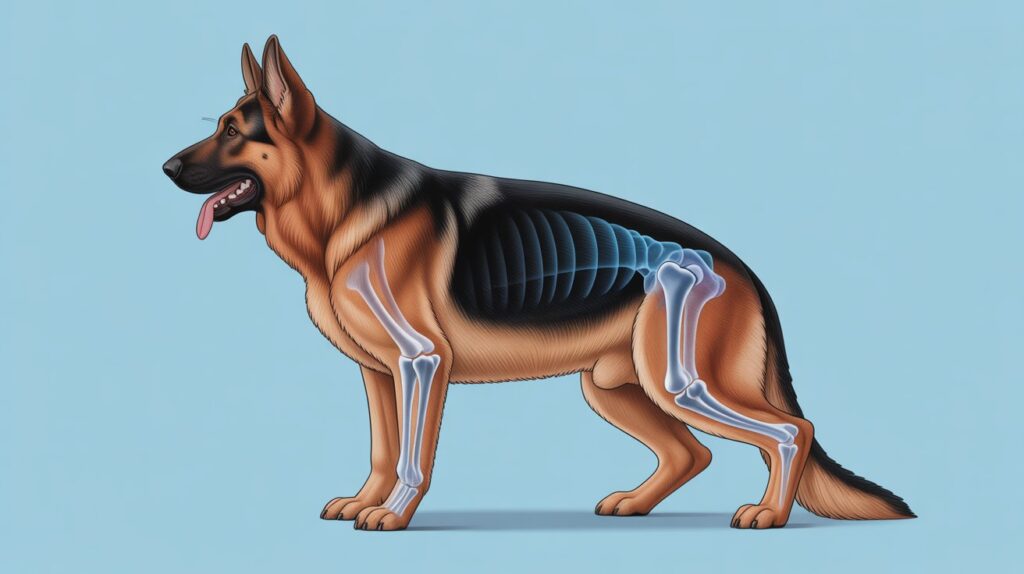
Hip and Elbow Dysplasia:
These joint disorders occur when the joints develop improperly, leading to arthritis and chronic pain.
- Limping or stiffness
- Difficulty standing or climbing stairs
- Reduced activity levels
Also Read: What Size Collar For A German Shepherd?
Bloat (Gastric Dilatation-Volvulus)
A sudden, life-threatening condition where the stomach fills with gas and twists.
Warning signs:
- Swollen abdomen
- Excessive drooling
- Restlessness and pain
Immediate emergency treatment is required.
Degenerative Myelopathy
A progressive spinal disease affecting older German Shepherds.
- Causes weakness in the hind legs
- Eventually leads to paralysis
- No cure, but progression can be managed
Allergies
German Shepherds commonly suffer from:
- Food allergies
- Environmental allergies
- Skin sensitivities
Chronic itching and ear infections are typical signs.
Also Read: What Are German Shepherds Allergic To?
Eye Disorders
Including:
- Cataracts
- Progressive retinal atrophy (PRA)
These conditions can impair vision over time.
Genetic Health Risks in German Shepherds:
German Shepherds are genetically predisposed to several serious conditions:
- Hip dysplasia
- Elbow dysplasia
- Degenerative myelopathy
- Hemangiosarcoma
- Chronic gastritis and digestive sensitivity
Reputable breeders screen breeding dogs to reduce these risks, but genetics cannot be fully eliminated.
What Causes Hip and Elbow Dysplasia in German Shepherds?
The primary cause is genetics, but environmental factors can worsen the condition:
- Rapid growth during puppyhood
- Obesity
- Over-exercise on hard surfaces
- Poor nutrition
Abnormal joint formation eventually leads to cartilage breakdown, arthritis, and long-term pain.
How Common Is Cancer in German Shepherds?
Cancer is unfortunately common in German Shepherds, especially in middle-aged and senior dogs. The most frequently diagnosed cancers include:
- Hemangiosarcoma
- Lymphoma
- Osteosarcoma (bone cancer)
Early detection improves outcomes, but some cancers progress silently.
What Is Hemangiosarcoma in German Shepherds?
Hemangiosarcoma is an aggressive cancer of the blood vessels and is one of the leading causes of sudden death in German Shepherds.
Commonly affected organs:
- Spleen
- Heart
- Liver
This cancer often shows no symptoms until rupture occurs, causing internal bleeding. Routine veterinary exams and imaging may help detect it earlier, but diagnosis is often late.
Also Read: Hemangiosarcoma in German Shepherds?
Early Warning Signs of Serious Health Problems:
Contact a veterinarian if you notice:
- Sudden lethargy or weakness
- Loss of appetite
- Excessive panting without exertion
- Difficulty walking or standing
- Behavioral changes such as withdrawal or aggression
Early intervention can be life-saving.
What Causes Sudden Illness or Death in German Shepherds?
Sudden health emergencies may be caused by:
- Bloat (GDV)
- Heart disease (e.g., dilated cardiomyopathy)
- Aggressive cancers, especially hemangiosarcoma
- Severe trauma or accidents
How Diet Affects German Shepherd Health?
Nutrition plays a major role in disease prevention.
A healthy German Shepherd diet should:
- Be rich in high-quality protein
- Contain healthy fats for joint and skin health
- Include fiber for digestion
- Avoid fillers and excessive carbohydrates
Overfeeding leads to obesity, which dramatically worsens joint problems and reduces lifespan.
How Much Exercise Does a German Shepherd Need?
German Shepherds are highly active and intelligent dogs.
Daily requirements:
- 1 to 2 hours of physical activity
- Structured walks, playtime, and training
- Mental stimulation through obedience or puzzle toys
Insufficient exercise contributes to obesity, anxiety, and destructive behavior.
Also Read: How Much Exercise Does a German Shepherd Need?
How to Prevent Health Problems in German Shepherds?
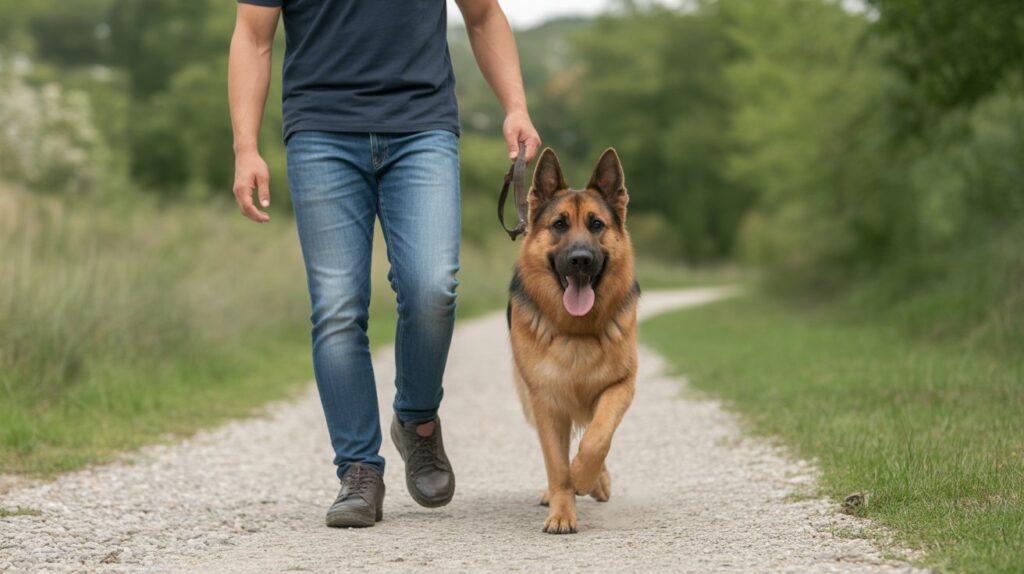
Preventive care significantly reduces illness risk:
- Schedule regular veterinary check-ups
- Feed a balanced, breed-appropriate diet
- Maintain a healthy weight
- Provide consistent exercise
- Practice routine grooming and dental care
- Consider spaying or neutering when appropriate
Early prevention is far less costly than treatment.
Cost of German Shepherd Health Problems:
German Shepherd medical care can be expensive:
- Hip dysplasia surgery: $1,500 to $6,000 per hip
- Cancer treatment: Several thousand dollars
- Routine care: $500 to $1,000 annually
Costs vary by location and severity.
Is Pet Insurance Worth It for German Shepherds?
Yes. Pet insurance is highly recommended due to the breed’s genetic risks.
Insurance can help cover:
- Emergency surgeries
- Cancer treatment
- Chronic joint conditions
Policies are most effective when started early.
How Long Do German Shepherds Live?
The average lifespan of a German Shepherd is 9 to 13 years.
Dogs with:
- Strong genetics
- Proper nutrition
- Regular exercise
- Preventive veterinary care
Often live closer to the upper end of this range.
FAQ’s:
How can I prevent my German Shepherd from getting sick?
Regular vet visits, proper diet, exercise, and weight control are essential.
Is hip dysplasia normal in German Shepherds?
It is common due to genetics, but early management can reduce pain and progression.
What are the signs of bloat?
A swollen abdomen, drooling, pacing, and distress. This is a medical emergency.
How often should my German Shepherd see a vet?
At least once per year, senior dogs may need more frequent visits.
Can German Shepherds live well with health problems?
Yes. With proper treatment and care, most dogs can live long, fulfilling lives.
Conclusion:
German Shepherds are loyal, intelligent, and resilient dogsbut they are genetically prone to specific health conditions. While they do not get sick easily by default, neglecting diet, exercise, and veterinary care significantly increases health risks. By understanding common illnesses, watching for early warning signs, and committing to preventive care, owners can help their German Shepherds live healthier, longer, and more comfortable lives.