How Common Is Bloat In German Shepherds?(Major Facts 2026)
Bloat (GDV) is standard in German Shepherds due to their deep chest and large body size. Studies suggest it affects about 5 to 10% of adult German Shepherds, making early detection, careful feeding, and preventive care critical.
In this guide, we will explain how frequent bloat is and what steps you can take to keep your dog safe.
How Common Is Bloat in German Shepherds?
German Shepherds are among the dog breeds at the highest risk of developing gastric dilatation-volvulus (GDV). Research suggests that approximately 5–10% of German Shepherds experience bloat during their lifetime, with the risk increasing as they age.
Dogs over 4 years old, those with deep chests, and dogs that eat quickly are more likely to develop GDV.
Although the percentage may seem small, GDV is considered one of the deadliest emergencies because it can become fatal within a few hours without treatment.
What Is Bloat in German Shepherds?
Bloat, also called GDV (Gastric Dilatation Volvulus), occurs when the stomach fills with gas, food, or liquid and may twist, cutting off blood flow. German Shepherds are high-risk because of their deep chest and size.
- Risk increases with age, stress, and fast eating habits.
- Early recognition and prevention are essential, as bloat can become life-threatening quickly.
Even though bloat is not rare, owners can take simple steps to watch for symptoms and reduce risk.
Bloat, also called Gastric Dilatation-Volvulus (GDV), is considered one of the most life-threatening emergencies in dogs. For a detailed veterinary explanation of how GDV develops and why immediate treatment is essential, see the Merck Veterinary Manual.
Why Are German Shepherds at High Risk of Bloat?
| Risk Factor | Risk Level |
|---|---|
| Deep chest | ⭐⭐⭐⭐⭐ |
| Family history | ⭐⭐⭐⭐⭐ |
| Fast eating | ⭐⭐⭐⭐ |
| Large meals | ⭐⭐⭐⭐ |
| Exercise after meals | ⭐⭐⭐⭐ |
| Stress | ⭐⭐⭐ |
| Older age | ⭐⭐⭐⭐ |
German Shepherds are more prone to bloat because of their body structure, genetics, and habits.
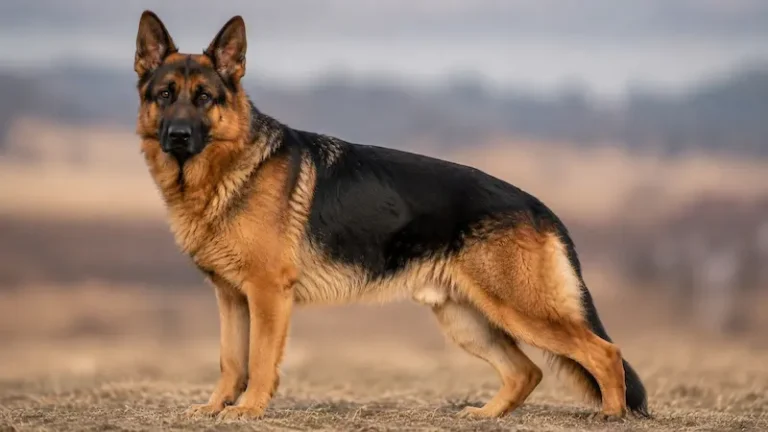
- Deep chest structure: A narrow chest allows the stomach more room to twist.
- Large body size: Extra pressure on the stomach increases risk.
- Fast eating habits: Swallowing air while eating makes gas buildup more likely.
- High activity: Playing or running right before or after meals increases risk.
- Genetic history: Dogs with a parent or sibling who had bloat are at higher risk.
- Sensitive digestion: Prone to gas or mild stomach issues.
Veterinarians rank German Shepherds among the top breeds affected by bloat, so awareness is crucial.
Some owners also ask whether procedures like neutering affect long-term health risks, which we have explained in detail in our guide on When To Neuter a German Shepherd?
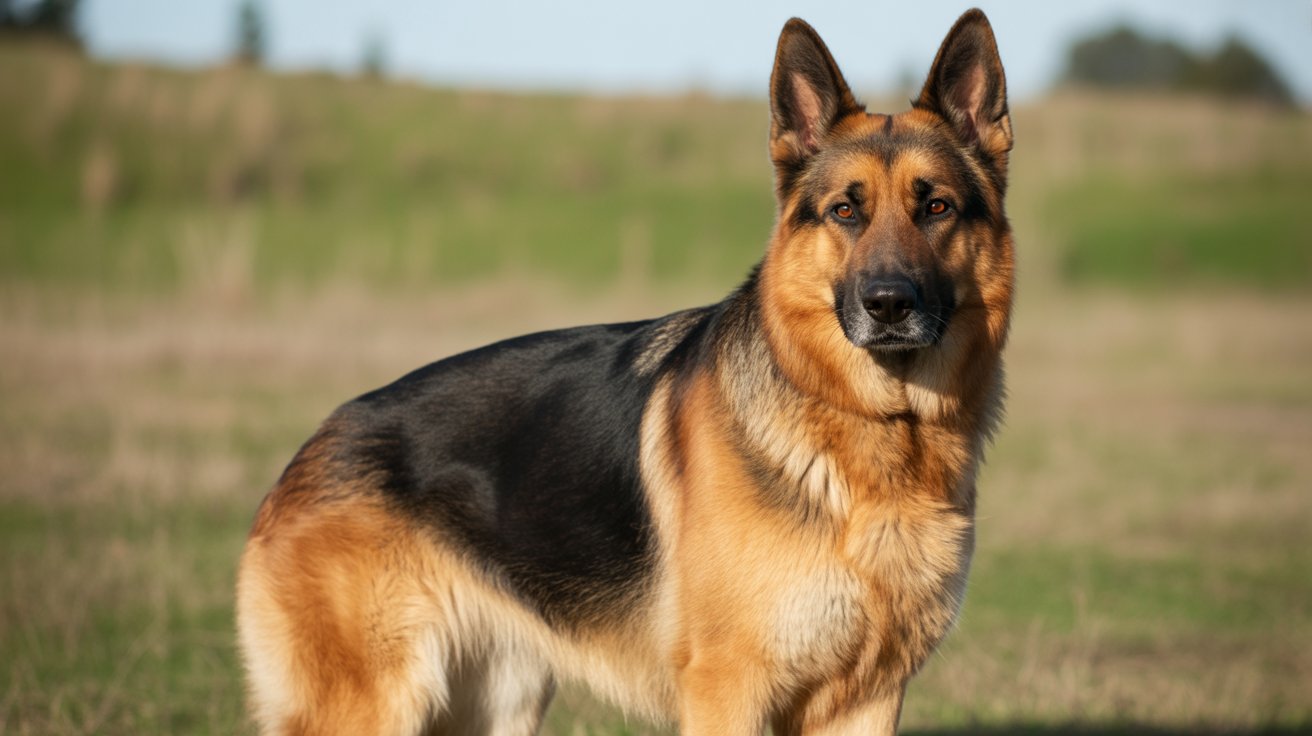
The American Kennel Club (AKC) also notes that German Shepherds are a deep-chested breed, which places them among the breeds at increased risk for gastric dilatation-volvulus (GDV).
What Causes Bloat in German Shepherds?
Bloat occurs when the stomach fills with gas, food, or fluid and cannot empty. Severe cases may twist the stomach (GDV), cutting off blood flow.
Common Causes of Bloat:
- Eating too fast: Swallowing air along with food.
- Large meals: One big meal puts heavy pressure on the stomach.
- Exercise around mealtime: Running or jumping can shift the stomach.
- Downing large amounts of water, especially after exercise.
- Stress or anxiety: Nervous dogs are more prone.
- Dry kibble only diet: Some foods expand inside the stomach.
- Raised food bowls (in some dogs): Can increase air intake.
Feeding the correct calorie amount for your dog’s age and activity helps prevent overeating, which is explained in our guide on: How Many Calories Does A German Shepherd Need?
How GDV Develops:
| Stage | What Happens |
| 1 | The stomach fills with gas or food |
| 2 | Pressure builds inside the stomach |
| 3 | Stomach twists (GDV) |
| 4 | Blood flow is blocked; life-threatening |
Bloat usually results from multiple factors together, not just one.
What Are the Early and Late Symptoms of Bloat?
Early Symptoms: (Watch These Closely)
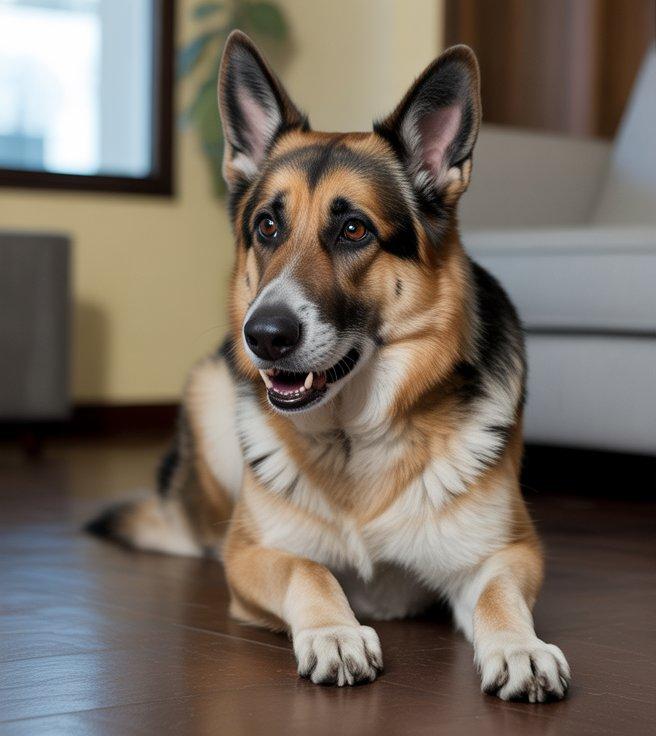
- Restlessness or pacing
- Dry heaving or trying to vomit, but nothing comes out.
- Excessive drooling
- Slightly bloated or tight belly
- Whining, discomfort, or refusing food
- Lip licking
These can appear within minutes to hours after eating or exercising
Late Symptoms: (Medical Emergency)
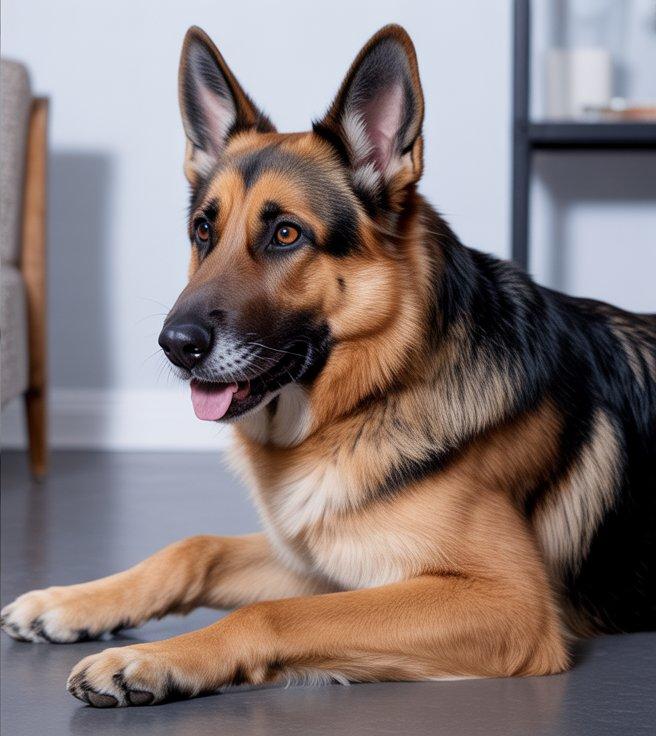
- Severe, hard swelling of the belly
- Weakness or sudden collapse
- Pale gums
- Rapid or laboured breathing
- Fast heart rate
- Inability to stand
- Signs of shock
Note: Immediate veterinary care is essential; waiting can be fatal.
Why Is Bloat Considered a Medical Emergency?
Bloat is dangerous because the twisted stomach blocks blood flow to vital organs, causing rapid deterioration.
- Blood supply cut off: Organs do not get enough oxygen.
- Stomach tissue dies: Damage can occur within hours.
- Breathing affected: A swollen stomach pushes against the lungs.
- Toxins released can lead to shock.
- Heart problems: Arrhythmias are common in GDV.
| Feature | Bloat (GDV) | Normal Gas |
| Stomach | Twists | No twist |
| Blood flow | Blocked | Normal |
| Urgency | Emergency | Low |
| Recovery | Surgery needed | Usually resolves on its own |
Every hour counts. Delayed treatment can be fatal.
What Should You Do If You Suspect Bloat?
- Go to an emergency vet, do not wait.
- Call ahead so staff can prepare.
- Do NOT give food or water; it can worsen the situation.
- Do NOT try home remedies (massage or gas drops).
- Keep the dog calm to prevent further pressure.
- Transport carefully, helping them lie comfortably.
Know the location of a 24 to 7 emergency vet in advance.
What Are the Treatment Options for GDV?
Treatment is urgent and usually involves surgery.
Step 1: Emergency Stabilization
- IV fluids to treat shock
- Oxygen therapy if breathing is difficult
- Pain relief and monitoring
Step 2: Surgery (Most Effective)
- Untwist the stomach
- Remove any dead tissue if necessary.
- Gastropexy (stomach tacking) to prevent recurrence.
Step 3: Post-Surgery Care
- ICU monitoring 24 to 48 hours
- Gradual reintroduction of food
- Pain management and antibiotics
Step 4: Non-Surgical Options (Rare)
- Stomach tube or decompression if surgery is delayed
- Less effective and higher recurrence risk
Gastropexy plus surgery provides the best survival and long-term outcome.
According to the American College of Veterinary Surgeons (ACVS), emergency surgery combined with gastropexy offers the best chance of survival and helps reduce the risk of future stomach twisting.
What Is the Survival Rate and Prognosis for Bloat?
| Timing / Treatment | Survival Rate |
| Treated within 6 hours (surgery) | 80 to 90% |
| Treated after 6 to 12 hours | 50 to 70% |
| Severe tissue damage | 60 to 70% |
| No treatment | Near 0% |
- Recurrence without gastropexy: 30 to 70%
- Recovery time: 2 to 4 weeks
- Long-term quality of life: Excellent if treated early
Veterinarian Tip
If your German Shepherd shows repeated dry heaving, a swollen abdomen, or sudden collapse, do not wait to see if the symptoms improve. Contact the nearest emergency veterinarian immediately because every minute matters with GDV.
How Can You Prevent Bloat in German Shepherds?
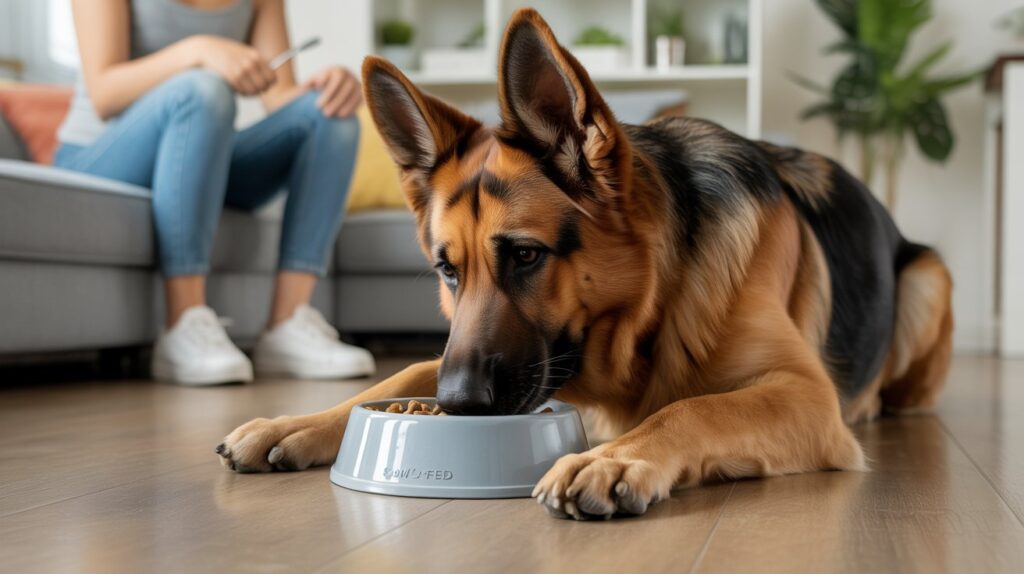
- Feed smaller, more frequent meals.
- Avoid exercise 1 to 2 hours after eating.
- Slow down fast eaters using slow-feed bowls.
- Limit water intake after meals.
- Consider gastropexy for high-risk dogs.
- Reduce stress and keep feeding times calm.
- Choose low-risk diet options.
- Be extra vigilant if family history exists.
Prevention reduces risk but does not guarantee complete safety.
Daily activity is also important, but avoid exercise immediately after meals. Read How Much Exercise Does a German Shepherd Need?
Foods That May Reduce Digestive Problems
- Split meals
- Slow feeder bowls
- Avoid excessive treats
- Fresh water throughout the day
- Feed a consistent diet
Feeding a high-quality, balanced diet may also support healthy digestion and reduce stomach upset. Learn more in What Is Good Dog Food For German Shepherds?
What Is the Difference Between Gas and GDV?
| Feature | Normal Gas | GDV |
| Cause | Minor digestive upset | Stomach twists, gas/liquid buildup |
| Onset | Gradual | Suddenly, rapid |
| Belly | Slightly swollen | Hard, stiff, enlarged |
| Vomiting | Occasional | Dry heaving, nothing comes out |
| Behavior | Slight restlessness | Extreme restlessness, collapse |
| Urgency | Low | Emergency |
| Recovery | Usually self-resolves | Surgery required |
Assume GDV if your dog shows a hard belly, dry heaving, or sudden distress.
What Is Recovery and Aftercare Like After Bloat Surgery?
- First 24 to 48 hours: ICU monitoring, fluids, pain relief
- First week at home: Keep the dog calm, feed small meals, and watch the incision
- Weeks 2 to 4: Gradually increase activity, soft diet, and observe for digestive issues
- Long-term: Avoid overeating, maintain stress-free meals, and routine vet checkups
Most dogs recover fully within 2 to 4 weeks if aftercare is followed strictly.
Most dogs that undergo gastropexy surgery never experience another stomach twist, although they can still develop simple gas bloat.
Dogs recovering from surgery may temporarily lose their appetite. Read How Long Can a German Shepherd Go Without Eating?
How Much Does Bloat Treatment Cost?
| Service | Typical Cost (USD) |
| Emergency vet visit | $100 to $300 |
| IV fluids & meds | $200 to $500 |
| Surgery (untwist + gastropexy) | $2,500 to $5,000 |
| ICU/Post-op monitoring | $500 to $1,500 |
| Total Estimated | $3,300 to $7,300+ |
Early treatment may reduce complications and cost. Pet insurance or emergency funds can save lives.
Costs vary by country, emergency hospital, and complications.
How Does Bloat Risk Vary by Age and Activity Level?
Age:
- Puppies: rare, but monitor meals
- Young adults (1 to 3 years): moderate risk
- Adults (4 to 7 years): highest risk
- Seniors (8+ years): risk remains high
Activity:
- High activity after meals increases the risk
- Stress or anxiety can trigger digestive problems
- Fast eaters who swallow air are more vulnerable
Adjust meals and activities according to age and habits to reduce risk.
During puppyhood, owners often focus on visible growth milestones like ear development, which we’ve covered in detail in our guide on: What Age Do German Shepherd Ears Stand Up
FAQ’s:
Can German Shepherds develop bloat at any age?
Yes. While it’s more common in adults (4 to 7 years), puppies and seniors can also develop bloat, though the risk is lower.
Does overeating only cause bloat?
No. Bloat can be triggered by fast eating, stress, exercise after meals, or genetics, not just overeating.
Can bloat be prevented completely?
No. You can reduce risk with small meals, slow feeding, and gastropexy, but it cannot be 100% prevented.
What are the earliest signs of bloat in German Shepherds?
Restlessness, drooling, dry heaving, and a slightly swollen belly are the first signs to watch for.
How quickly does bloat become life-threatening?
Bloat can progress within 2 to 6 hours, so immediate veterinary care is crucial for survival.
Veterinary Advice
If your German Shepherd shows signs of bloat such as repeated dry heaving, a swollen abdomen, restlessness, or collapse, do not wait for symptoms to improve. Gastric Dilatation-Volvulus (GDV) is a true veterinary emergency, and treatment within the first few hours provides the best chance of survival. Always contact the nearest emergency veterinary hospital immediately if bloat is suspectedThe American Kennel Club (AKC) also notes that German Shepherds are a deep-chested breed, which places them among the breeds at increased risk for gastric dilatation-volvulus (GDV).
Conclusion:
Although German Shepherds have a higher risk of bloat than many other breeds, early recognition and prevention can save lives. Learning the warning signs, feeding smaller meals, avoiding strenuous exercise after eating, and seeking immediate veterinary care at the first signs of GDV give your dog the best chance of survival. Every German Shepherd owner should treat bloat as a true medical emergency.