What Age Do German Shepherd Ears Stand Up? (2026 Timeline)
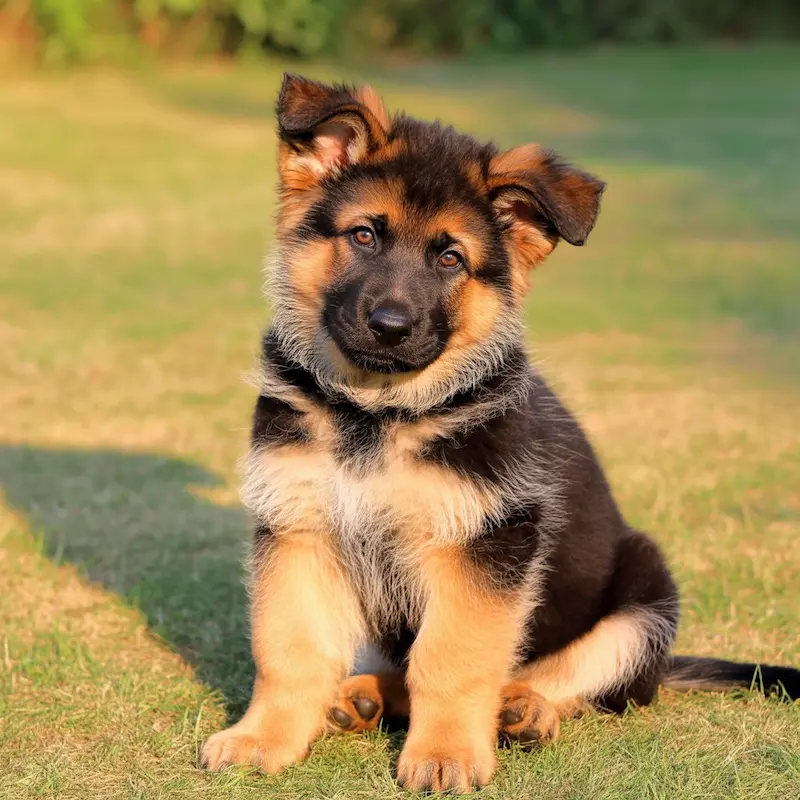
German Shepherd ears usually begin to stand between 4 and 7 months of age. Puppies are born with floppy ears, and as cartilage strengthens, often after teething, ears gradually become erect. In some healthy puppies, the complete ear set can take up to 8 months.
Understanding the regular timeline and when delays are still healthy can help you avoid unnecessary worry and support your puppy’s natural development.
Are Floppy Ears Normal in German Shepherd Puppies?
Yes, floppy ears are completely normal in German Shepherd puppies. At birth, ear cartilage is soft, and the muscles and ligaments that support ear posture develop gradually.
It is common for ears to stand one day and flop the next. This inconsistency is a normal part of growth.
Why floppy ears are normal:
- Ear cartilage hardens over time
- Supporting muscles are still developing
- Growth spurts temporarily affect balance
- Teething redirects minerals needed for ear strength
If your puppy is active, eating well, and growing normally, floppy ears at a young age are not a problem.
Why Don’t German Shepherd Ears Stand Up Right Away?
In most cases, ears don’t stand simply because the cartilage hasn’t hardened yet. Several temporary factors can weaken ear support during development.
Common reasons include:
- Naturally slow cartilage development
- Calcium shifts during teething
- Rapid growth phases
- Inadequate early nutrition
- Genetic ear size or shape
Proper nutrition plays a critical role here. Puppies lacking balanced calories, protein, and minerals may show delayed ear development.
Also Read: How Many Calories Does A German Shepherd Need
Unless there is pain or infection, it is best to wait until 5 to 6 months before considering any intervention.
Ear Drooping During Teething: (Very Common)
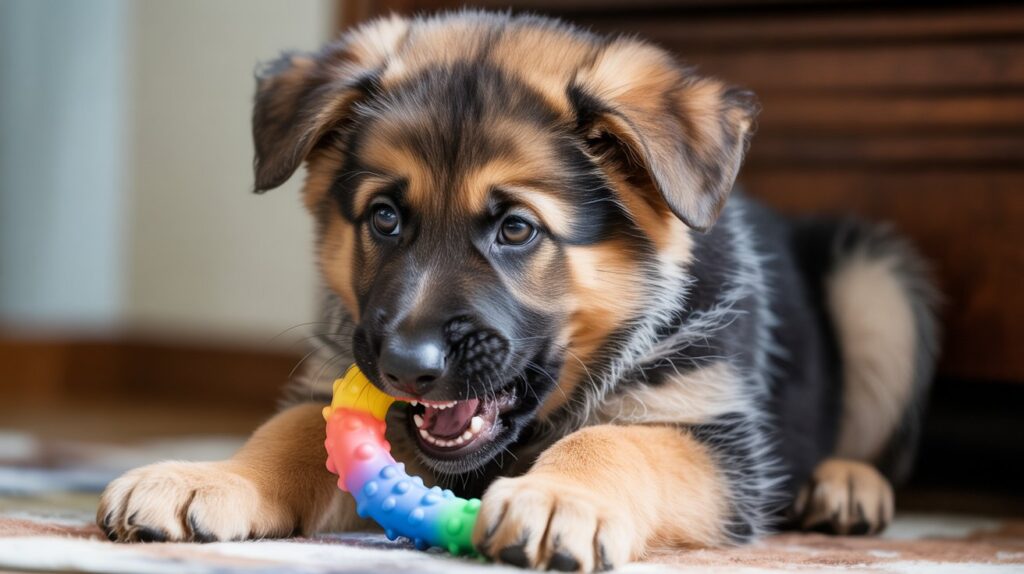
Teething usually starts around 3 to 4 months and can last until 6 months. During this phase, calcium and minerals are prioritized for tooth development, which can temporarily soften ear cartilage.
During teething:
- Calcium shifts toward teeth
- Ear cartilage may lose firmness
- One or both ears may droop
- Ears often stand out again once teething ends
Early taping during teething is usually unnecessary. Patience is often the healthiest approach.
When Should You Actually Worry About Floppy Ears?
Most floppy ears before 7 months are normal. Closer monitoring is recommended if:
- Your dog is over 8 months old
- Neither ear has ever attempted to stand
- There are signs of pain or infection
- Early nutrition was poor
Warning signs include:
- One ear consistently up, one down after 7 to 8 months
- Persistent scratching or head shaking
- Redness, discharge, or foul odour
Age and health matter more than appearance. Many ears correct themselves naturally with time.
Genetics and German Shepherd Ear Development:
Genetics plays a major role in ear development. Some bloodlines have heavier or thicker ears that naturally take longer to stand or may never fully stand.
Genetic factors include:
- Ear size and shape
- Cartilage density
- Parent ear structure
- Overall breeding quality
Hormonal maturity can also influence cartilage strength, particularly around adolescence or neutering age.
Also Read: When to Neuter a German Shepherd
Even purebred German Shepherds can have floppy ears. Genetics, nutrition, and growth all work together.
Ear Taping for German Shepherds (When and How)
Ear taping can help puppies that show ear strength but need temporary support. It should only be done on healthy ears with no signs of infection.
When ear taping may help:
- 5 to 6 months: Best window
- 7 to 8 months: Possible results
- 9+ months: Limited effectiveness
Safe taping tips:
- Use breathable medical tape
- Never fold or crease the ear tip
- Provide gentle support, not rigidity
- Remove tape every few days to check skin
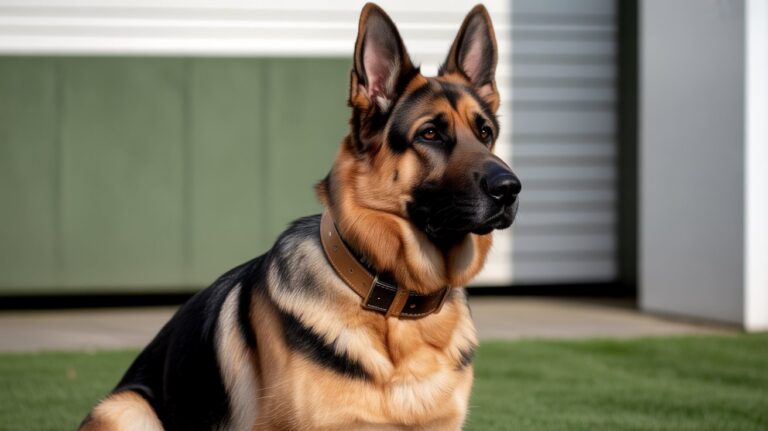
Avoid tight collars that put pressure behind the ears during this phase.
Also Read: What Size Collar for a German Shepherd?
Taping supports development it does not create cartilage.
German Shepherd Ear Development Timeline:
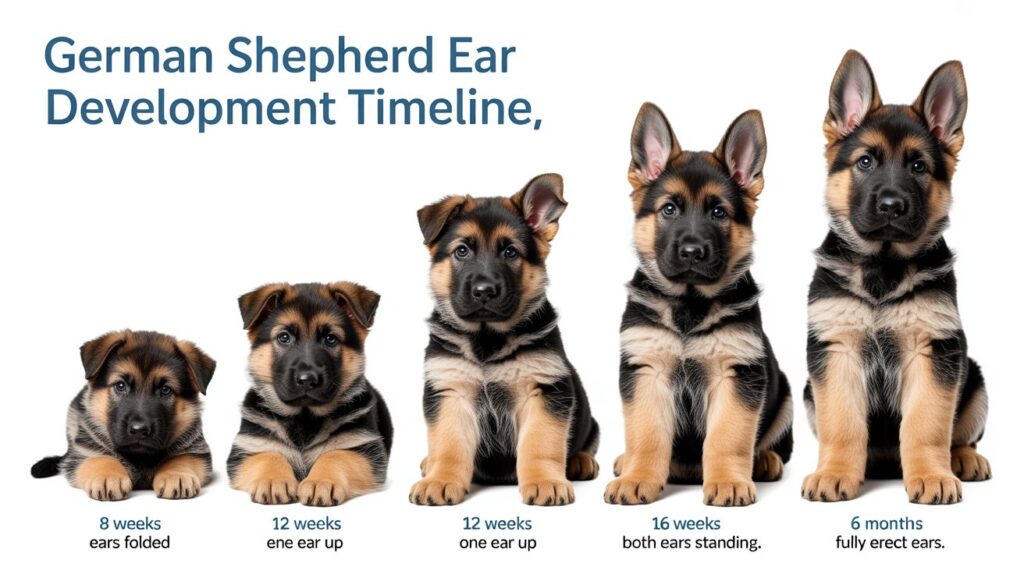
| Age | Typical Ear Development |
| Birth to 8 weeks | Fully floppy |
| 8 to 12 weeks | Slight lifting may appear |
| 3 to 5 months | Ears go up and down |
| 5 to 7 months | Most ears stand |
| 8+ months | Final ear position |
Every puppy develops at their own pace. Timeline ranges are normal, not rules.
Can Ear Infections Affect Ear Position?
Yes. Ear infections can weaken cartilage support and delay ear standing.
Common signs include:
- Redness or swelling
- Bad odor
- Frequent scratching
- Head shaking
Always treat infections first. Never tape infected ears.
What If My German Shepherd’s Ears Never Stand?
Some German Shepherds live perfectly healthy, confident lives with floppy ears. Ear position does not affect:
- Overall health
- Temperament
- Intelligence or trainability
- Bond with the owner
Floppy ears are cosmetic. Proper care and confidence matter far more.
FAQ’s:
Can German Shepherd ears stand on their own?
Yes. Most puppies’ ears stand naturally between 4 and 7 months.
Is ear taping always necessary?
No. Many ears stand without intervention with proper nutrition and patience.
Do floppy ears mean my dog is unhealthy?
No. Floppy ears are usually genetic or developmental.
Best age to help floppy ears stand?
Between 5 and 7 months, after teething and before the cartilage fully hardens.
What if the ears never stand?
Not many healthy German Shepherds keep floppy ears for life.
Conclusion:
If you are asking German Shepherd ears stand up, remember that patience is key. Most ears stand between 4 and 7 months, but genetics, teething, nutrition, and growth speed can all cause delays. As long as your puppy is healthy and comfortable, floppy ears are usually normal and cosmetic, not a cause for concern.