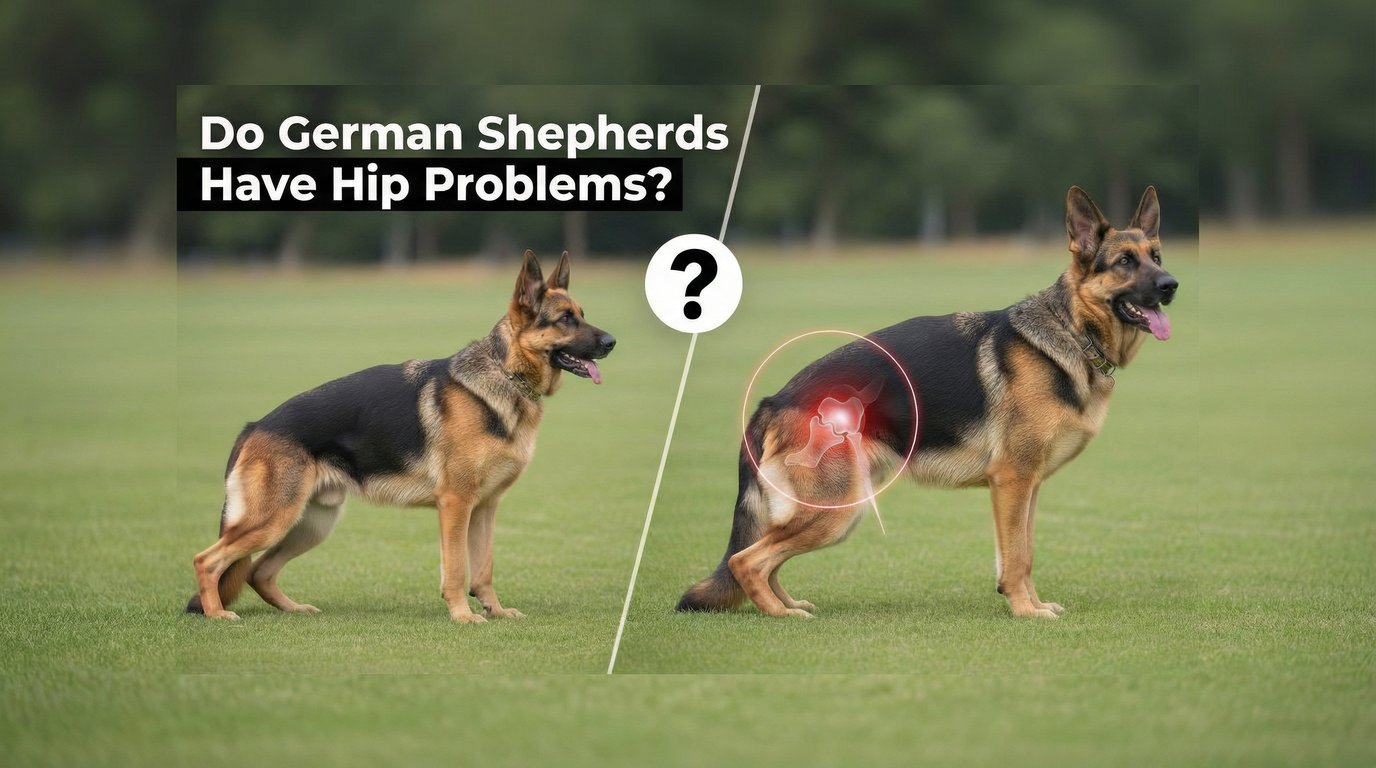
Do German Shepherds Have Hip Problems? (Complete Owner Guide 2026)
Yes, German Shepherds do have hip problems. They are genetically predisposed to hip dysplasia, a joint condition that can cause pain, stiffness, and mobility issues. Responsible breeding, early screening, proper diet, and weight control reduce the risk and help protect long-term joint health.
In this guide, we will explore the risks and practical steps that help you protect your German Shepherd’s mobility and long-term comfort.
What Is German Shepherd Hip Dysplasia?
German Shepherd hip dysplasia is a developmental joint disorder where the hip joint does not fit together properly.
Instead of a smooth ball-and-socket movement, the joint becomes loose (joint laxity). Over time, this abnormal movement creates friction, inflammation, cartilage damage, and eventually arthritis.
According to the Orthopedic Foundation for Animals, German Shepherds consistently rank among the higher-risk breeds for hip dysplasia compared to many other dogs.
This condition is also known as canine hip dysplasia, a common orthopedic disorder in large and giant breeds.
Early understanding makes a major difference in long-term outcomes.
Early Warning Signs You Should Never Ignore:
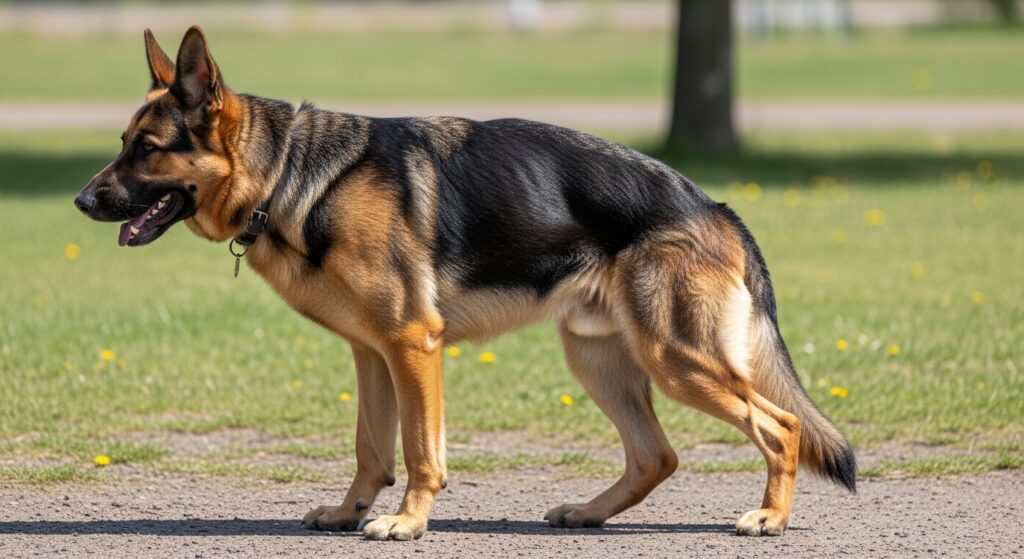
You can often spot early signs at home before the condition becomes severe.
Watch for:
- Bunny hopping gait while running
- Stiffness after rest
- Difficulty standing up
- Reluctance to jump
- Hind leg weakness
- Swaying hips while walking
- Less interest in exercise
Many owners assume mild stiffness means their dog is just tired. In reality, young and healthy German Shepherds should recover quickly after play. Persistent stiffness is not normal.
Early signs may come and go, which makes them easy to ignore.
Also Read: How Much Exercise Does a German Shepherd Need?
Hip Dysplasia Stages Explained:
Hip dysplasia develops gradually. Understanding the stage helps you make better management decisions.
Stage 1 Mild:
Joint looseness begins. Slight stiffness may appear after exercise.
Stage 2 Moderate:
Visible discomfort develops. Muscle mass in the hind legs may be reduced due to decreased use.
Stage 3 Severe:
Clear lameness appears. Degenerative joint disease (arthritis) begins to form.
Stage 4 Advanced arthritis:
Chronic inflammation, persistent pain, and major mobility problems occur.
Dogs diagnosed in early stages often maintain a good quality of life for many years with proper care.
What Causes Hip Dysplasia In German Shepherds?
Genetics plays the largest role. Responsible breeders use screening programs from organizations such as the Orthopedic Foundation for Animals and PennHIP to evaluate hip joint stability before breeding.
However, environmental factors strongly influence severity.
Other contributing factors include:
- Rapid growth during the puppy stage
- Overfeeding high-calorie diets
- Excess calcium supplementation
- Repetitive high-impact jumping before 12 months
- Slippery flooring during growth
You cannot change genetics. But you can control growth rate, nutrition, and exercise intensity.
Also Read: Are German Shepherds Prone To Cancer?
Puppy Prevention Guide:
If you have a German Shepherd puppy, prevention must start early.
Control growth rate:
- Feed a large-breed puppy formula
- Avoid free feeding
- Maintain lean body condition (you should feel your ribs easily)
Protect developing joints:
- Avoid stair climbing during rapid growth
- Avoid long-distance running
- Use anti-slip mats on tiles
- Keep play sessions controlled
Studies show overweight large-breed puppies have a significantly higher risk of hip and elbow disorders. Even small weight gain increases joint stress.
Best Exercise Plan For Affected Dogs:
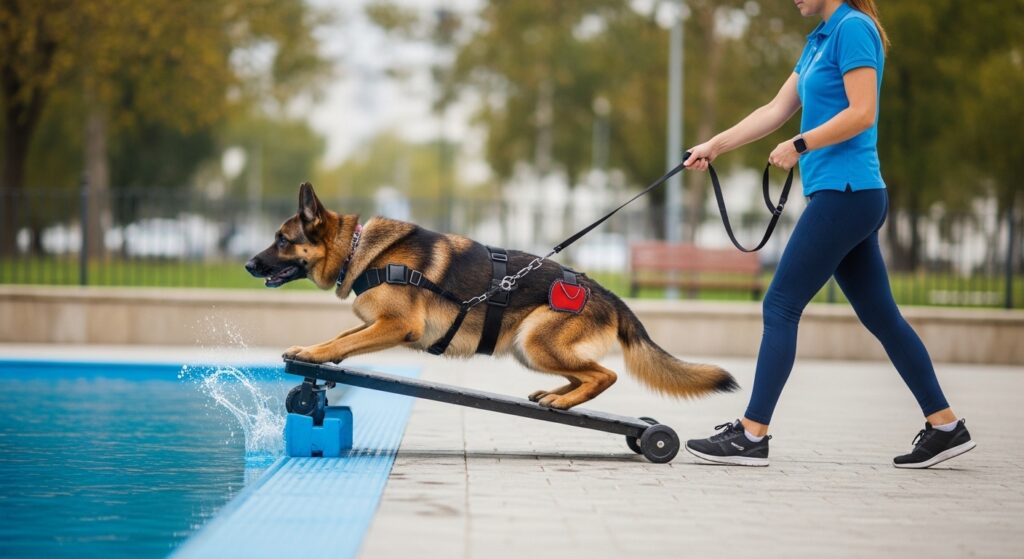
Exercise is important. The wrong type of exercise can accelerate joint damage.
Safe options:
- Short controlled leash walks
- Swimming (low impact, muscle strengthening)
- Hydrotherapy sessions
- Light strength training on soft ground
Avoid:
- High jumps
- Aggressive ball chasing
- Long runs on hard surfaces
Low-impact strengthening improves muscle support around the pelvic joint, reducing stress on the hip socket.
How Vets Diagnose Hip Dysplasia?
Your veterinarian may perform:
- Physical orthopedic exam
- Range of motion testing
- Sedated X-rays
Advanced screening systems like PennHIP measure joint laxity more precisely, even in young dogs.
Early imaging allows earlier intervention and better long-term planning.
Treatment Options That Actually Work
Treatment depends on severity, age, and overall health.
Non-surgical options:
- Strict weight control
- Joint supplements (glucosamine and chondroitin)
- Omega-3 fatty acids
- Anti-inflammatory medication
- Structured physical therapy
Surgical options:
- Total hip replacement
- Femoral head ostectomy
Total hip replacement often provides excellent long-term improvement in severe cases when performed on otherwise healthy dogs.
Every case is different. Discuss risks, recovery time, expected mobility outcome, and cost with your vet.
Daily Care Routine At Home
Daily management significantly improves comfort.
Checklist:
- Observe movement each morning
- Maintain lean body weight
- Provide orthopedic bedding
- Keep nails trimmed for better traction
- Use ramps instead of stairs
- Prevent slipping on smooth flooring
Small adjustments reduce cumulative joint stress over the years.
Real Cost Breakdown
Costs vary by region and clinic experience.
Typical expenses include:
- Diagnostic consultation and X-rays
- Monthly medication and supplement
- Ongoing physical therapy sessions
- Surgical procedures (if required)
Total hip replacement can cost several thousand dollars in many countries. Long-term management also adds up over time.
Financial planning early helps reduce stress later.
Common Owner Mistakes
Many cases worsen because early symptoms are ignored.
Avoid these mistakes:
- Ignoring mild stiffness
- Allowing obesity
- Over-exercising young puppies
- Buying from breeders without hip screening
- Stopping medication without veterinary advice
Early discipline leads to better long-term mobility.
Life Expectancy And Quality Of Life
A German Shepherd with hip dysplasia can still live a long and active life if managed properly.
Key success factors:
- Early diagnosis
- Weight control
- Controlled exercise
- Pain management
- Regular veterinary monitoring
Mild cases often remain stable for years. Severe, untreated cases may develop chronic pain and significant muscle loss.
Owner commitment plays a central role in the quality of life.
Can Hip Dysplasia Heal Naturally?
No, the structural deformity does not reverse naturally.
You can manage inflammation and slow arthritis progression. Surgical correction is required to fully correct the joint structure.
Is Hip Dysplasia Painful?
Yes, Chronic inflammation and cartilage breakdown cause pain.
Some dogs hide discomfort. Behavioral changes such as reduced playfulness, hesitation before movement, or irritability may signal joint pain.
When Should You Consider Surgery?
Consider surgery when:
- Pain persists despite medication
- Mobility declines significantly
- Muscle wasting increases
- Quality of life decreases
Your veterinarian will assess age, weight, severity, and overall health before recommending surgery.
Practical Advice:
If you own a German Shepherd:
- Keep your dog lean
- Screen hips early
- Avoid excessive joint stress during growth
- Act quickly when symptoms appear
Hip dysplasia does not mean your dog cannot live happily. It means proactive management is essential.
FAQ’s:
Are German Shepherds Prone To Hip Dysplasia?
Yes, German Shepherds have a higher genetic risk of hip dysplasia compared to many other breeds.
Can German Shepherd Hip Problems Be Prevented?
No, you cannot fully prevent genetic hip issues, but you can reduce risk with proper diet, weight control, and responsible breeding.
Is Hip Dysplasia Painful For German Shepherds?
Yes, it can cause joint pain, stiffness, and difficulty walking, especially as the dog ages.
What Are The First Signs Of Hip Problems In German Shepherds?
Early signs include stiffness after rest, bunny hopping while running, and trouble standing up.
At What Age Do German Shepherds Develop Hip Problems?
Some show signs as early as 4 to 12 months, but many develop noticeable symptoms in adulthood as arthritis progresses.
Conclusion:
If you are asking, Do German Shepherds Have Hip Problems? the honest answer is yes, they can.
German Shepherds have a higher genetic risk of canine hip dysplasia compared to many breeds. However, early screening, responsible breeding, weight management, and structured exercise significantly improve long-term mobility outcomes.
With informed care and early action, many affected dogs maintain comfort and good quality of life for years.