Why Is My German Shepherd Panting So Much? (Causes, Warning Signs & When to Worry)
German Shepherds normally pant to cool themselves after exercise, during warm weather, or when they are excited. However, excessive panting can also be caused by heatstroke, pain, stress, heart disease, lung problems, obesity, fever, or other medical conditions. If your dog pants heavily while resting or shows signs such as pale gums, weakness, collapse, or difficulty breathing, seek veterinary care immediately.
In this guide, you will learn why German Shepherds pant, the most common causes of excessive panting, warning signs to watch for, treatment options, and practical steps to help keep your dog safe and comfortable
Introduction
If you have ever wondered, Why is my German Shepherd panting so much? You are not alone. Heavy panting is one of the most common concerns among German Shepherd owners. In many cases, it’s a normal response to exercise, warm temperatures, or excitement. However, panting that seems excessive, starts suddenly, or continues long after your dog has rested can sometimes signal an underlying health problem.
German Shepherds are energetic working dogs with thick double coats, so they naturally pant more than some breeds after physical activity. While this is usually harmless, it’s important to recognize when panting becomes abnormal. Knowing the difference between normal cooling and a medical emergency can help you act quickly if your dog needs veterinary care.
Why Do German Shepherds Pant?
Panting is a completely normal way for German Shepherds to regulate their body temperature. Unlike humans, dogs cannot cool themselves by sweating through their skin. Instead, they lose excess body heat by breathing rapidly with an open mouth, allowing moisture to evaporate from the tongue, mouth, and upper airways.
Healthy German Shepherds usually pant after:
- Exercise or vigorous play
- Long walks or training sessions
- Warm or humid weather
- Excitement
- Mild stress
- Car rides
In these situations, panting should gradually slow down once your dog has rested in a cool, comfortable environment.
According to the American Kennel Club (AKC), panting is a normal cooling mechanism for healthy dogs. However, excessive or unexplained panting may indicate an underlying medical condition that requires veterinary attention.
When Is Panting Normal?
Not every episode of panting is a cause for concern. In most healthy German Shepherds, panting is a natural response to increased body temperature or excitement.
Normal panting usually has these characteristics:
- Starts after exercise or physical activity.
- Occurs during warm or humid weather.
- Gradually slows after resting.
- Breathing becomes normal within 10 to 30 minutes.
- Your dog remains alert and responsive.
- Gums stay pink.
- There are no signs of pain or breathing difficulty.
If your German Shepherd continues panting long after cooling down, begins panting heavily while resting, or develops other unusual symptoms, the cause may be more serious and should not be ignored.
What Causes Excessive Panting in German Shepherds?
Occasional panting is completely normal, but excessive panting usually means your German Shepherd is trying to cope with heat, pain, stress, or an underlying medical condition. The timing, duration, and any accompanying symptoms often provide important clues about the cause.
Below are the most common reasons German Shepherds pant more than usual.
Heatstroke and Overheating
German Shepherds have thick double coats that protect them in both hot and cold weather, but they can still overheat during hot, humid conditions or after strenuous exercise.
Heatstroke is one of the most serious causes of excessive panting and should always be treated as a veterinary emergency.
Common warning signs include:
- Heavy, nonstop panting
- Bright red, pale, or bluish gums
- Thick drooling
- Weakness or collapse
- Vomiting or diarrhea
- Staggering or difficulty walking
- Confusion or disorientation
If you suspect heatstroke, immediately move your dog to a cool, shaded area. Offer small amounts of cool (not ice-cold) water and begin gentle cooling with cool, wet towels while arranging immediate transport to an emergency veterinarian.
Pain or Injury
German Shepherds are known for hiding pain, so excessive panting may be one of the first signs that something is wrong.
Pain-related panting may result from:
- Hip dysplasia
- Arthritis
- Muscle strains
- Broken bones
- Abdominal pain
- Dental disease
- Recent surgery or injury
If your dog suddenly begins panting heavily after an accident or seems unwilling to walk, jump, or climb stairs, schedule a veterinary examination as soon as possible.
Some painful conditions, such as bloat (GDV), can cause rapid panting along with restlessness, repeated dry heaving, and abdominal swelling. These signs require immediate emergency treatment.
Also Read: How Common Is Bloat in German Shepherds?
Stress, Anxiety, or Fear
Panting isn’t always caused by physical illness. German Shepherds may also pant heavily when they feel anxious, frightened, or overwhelmed.
Common triggers include:
- Thunderstorms
- Fireworks
- Veterinary visits
- Car rides
- Separation from family members
- New environments
- Loud noises
Stress-related panting is often accompanied by pacing, trembling, whining, lip licking, yawning, or hiding.
If anxiety becomes frequent, work with your veterinarian or a qualified dog trainer to identify triggers and develop a long-term management plan.
Heart Disease
Heart disease reduces the body’s ability to circulate oxygen efficiently. As a result, affected dogs often breathe faster and pant even while resting.
Possible signs include:
- Panting without exercise
- Persistent coughing
- Reduced stamina
- Weakness
- Fainting episodes
- Difficulty lying down comfortably
Although heart disease is less common in young German Shepherds, the risk increases as dogs get older. Any unexplained panting, especially when combined with coughing or exercise intolerance, should be evaluated by a veterinarian.
The Merck Veterinary Manual explains that persistent panting and breathing changes may be early signs of cardiovascular disease.
Lung and Respiratory Problems
Conditions affecting the lungs or airways make it harder for dogs to breathe normally, causing faster breathing and increased panting.
Examples include:
- Pneumonia
- Chronic bronchitis
- Laryngeal paralysis
- Lung infections
- Airway obstruction
Dogs with respiratory disease may also develop:
- Coughing
- Wheezing
- Noisy breathing
- Blue-tinged gums
- Reduced exercise tolerance
Because breathing problems can worsen quickly, veterinary assessment is recommended whenever these signs appear.
Obesity
Excess body weight places additional strain on the heart and lungs, making even light activity more difficult.
Overweight German Shepherds often:
- Pant after short walks
- Tire more quickly
- Struggle in warm weather
- Recover slowly after exercise
Maintaining a healthy body weight helps improve breathing, reduces stress on the joints, and lowers the risk of several chronic diseases.
Also Read: What Is Good Dog Food for German Shepherds?
Medications
Some prescription medications naturally increase panting as a side effect.
Examples include:
- Prednisone and other corticosteroids
- Certain pain medications
- Some anti-anxiety medications
If excessive panting begins soon after starting a new medication, contact your veterinarian before stopping or changing the treatment.
Fever or Infection
When a German Shepherd develops a fever, its body temperature rises, causing increased panting as the body attempts to cool itself.
Signs of fever or infection may include:
- Loss of appetite
- Lethargy
- Shivering
- Warm ears or body
- Nasal discharge
- Vomiting
Remember that fever is a symptom, not a disease. Identifying and treating the underlying cause is essential for recovery.
Common Causes of Excessive Panting at a Glance
| Cause | Usually Normal? | Veterinary Care Needed? |
| Exercise | Yes | No |
| Warm weather | Usually | Only if overheating develops |
| Excitement | Yes | No |
| Anxiety or stress | Sometimes | If frequent or severe |
| Pain or injury | No | Yes |
| Heatstroke | Emergency | Immediately |
| Heart disease | No | Yes |
| Lung disease | No | Yes |
| Obesity | No | Recommended |
| Fever or infection | No | Yes |
| Medication side effects | Sometimes | Consult your veterinarian |
How Can You Tell If Panting Is an Emergency?
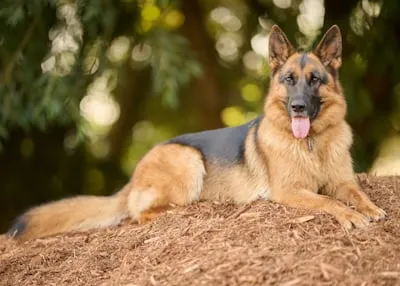
Not every episode of heavy panting is life-threatening, but some situations require immediate veterinary care. Instead of looking at the panting alone, pay attention to your German Shepherd’s overall condition and behavior.
Do not wait to see if the panting improves; if your dog shows any of the following warning signs:
- Panting heavily while resting.
- Difficulty breathing or gasping for air.
- Pale, blue, or gray gums.
- Collapse or extreme weakness.
- A swollen or hard abdomen.
- Repeated dry heaving or unsuccessful attempts to vomit.
- Confusion, disorientation, or loss of consciousness.
- Panting that continues for more than 30 minutes after cooling down and resting.
These symptoms may indicate a serious condition such as heatstroke, bloat (GDV), heart disease, or respiratory distress, all of which require immediate veterinary attention.
Normal Panting vs Emergency Panting
| 🟢 Normal Panting | 🔴 Emergency Panting |
| Happens after exercise | Starts while resting |
| Improves in 10 to 30 minutes | Gets worse |
| Pink gums | Pale or blue gums |
| The dog remains alert | Weak or collapsed |
| No other symptoms | Vomiting or swollen belly |
If your German Shepherd’s symptoms match the emergency column, contact an emergency veterinarian immediately rather than waiting to see if they improve.
Quick Owner Checklist
Before deciding whether your German Shepherd needs emergency care, ask yourself these simple questions:
- Was my dog exercising or playing recently?
- Is the weather hot or humid?
- Has the panting continued for more than 30 minutes after resting?
- Are my dog’s gums healthy pink?
- Is my dog alert and behaving normally?
If you answer No to the last two questions or notice any emergency warning signs, seek veterinary care as soon as possible.
What Should You Do If Your German Shepherd Won’t Stop Panting?
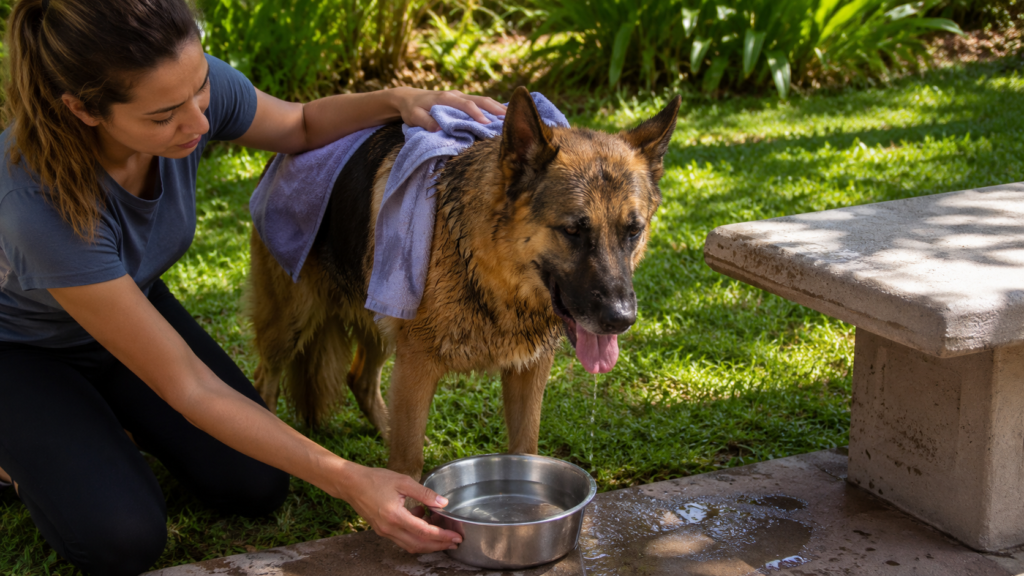
If your German Shepherd continues panting heavily after resting, stay calm and assess the situation carefully. Taking the right steps early may prevent the condition from becoming more serious.
Step 1: Move Your Dog to a Cool Area
Bring your dog indoors or into a shaded location away from direct sunlight.
If possible:
- Turn on a fan.
- Use air conditioning.
- Allow your dog to lie on a cool surface.
Avoid forcing your dog to continue walking or exercising.
Step 2: Offer Fresh Drinking Water
Provide cool, clean drinking water.
Allow your dog to drink at their own pace.
Avoid forcing water or giving ice-cold water if heatstroke is suspected.
Step 3: Begin Gentle Cooling (If Overheating Is Suspected)
If your German Shepherd appears overheated:
- Place cool, damp towels on the body.
- Focus on the paws, belly, and neck.
- Keep air circulating with a fan if available.
Do not cover the entire dog with ice or immerse them in very cold water, as rapid cooling may cause additional complications.
Step 4: Check for Other Symptoms
Look carefully for signs that may point to the underlying cause.
These include:
- Gum color
- Belly swelling
- Limping
- Coughing
- Vomiting
- Weakness
- Difficulty standing
- Collapse
The more symptoms your dog has, the more urgent the situation becomes.
Step 5: Contact Your Veterinarian
If heavy panting does not improve after cooling and resting, or if your dog develops any emergency warning signs, contact your veterinarian immediately.
Never give human medications unless specifically instructed by your veterinarian.
Early treatment often leads to a much better outcome.
How Do Veterinarians Diagnose Excessive Panting?
Excessive panting is a symptom rather than a disease, so veterinarians focus on identifying the underlying cause before recommending treatment.
Your veterinarian will begin with a complete physical examination and may assess:
- Heart rate
- Respiratory rate
- Body temperature
- Gum color
- Hydration status
- Lung sounds
- Joint movement
- Abdomen for pain or swelling
Depending on the findings, additional tests may be recommended.
| Diagnostic Test | Purpose |
| Blood tests | Detect infection, anemia, or organ disease |
| Chest X-rays | Evaluate the heart and lungs |
| Ultrasound | Examine internal organs |
| ECG | Detect abnormal heart rhythms |
| Echocardiogram | Assess heart function |
| Pulse oximetry | Measure blood oxygen levels |
These tests help your veterinarian diagnose the root cause instead of simply treating the panting itself.
Treatment Options
Treatment depends entirely on the underlying cause. Because excessive panting can be linked to both minor problems and life-threatening emergencies, home treatment should never replace professional veterinary care.
Common treatment options include:
Heatstroke
- Controlled cooling
- Intravenous (IV) fluids
- Oxygen therapy
- Emergency monitoring
Pain or Injury
- Prescription pain medication
- Treatment of the underlying injury
- Rest and follow-up care
Heart Disease
- Heart medications
- Oxygen support if required
- Long-term monitoring
Respiratory Disease
- Antibiotics (when appropriate)
- Anti-inflammatory medication
- Oxygen therapy
- Hospitalization in severe cases
Anxiety
- Behavior modification
- Environmental management
- Prescription anxiety medication when recommended by a veterinarian
Most dogs recover well once the underlying cause is diagnosed and treated appropriately.
How Can You Prevent Excessive Panting?
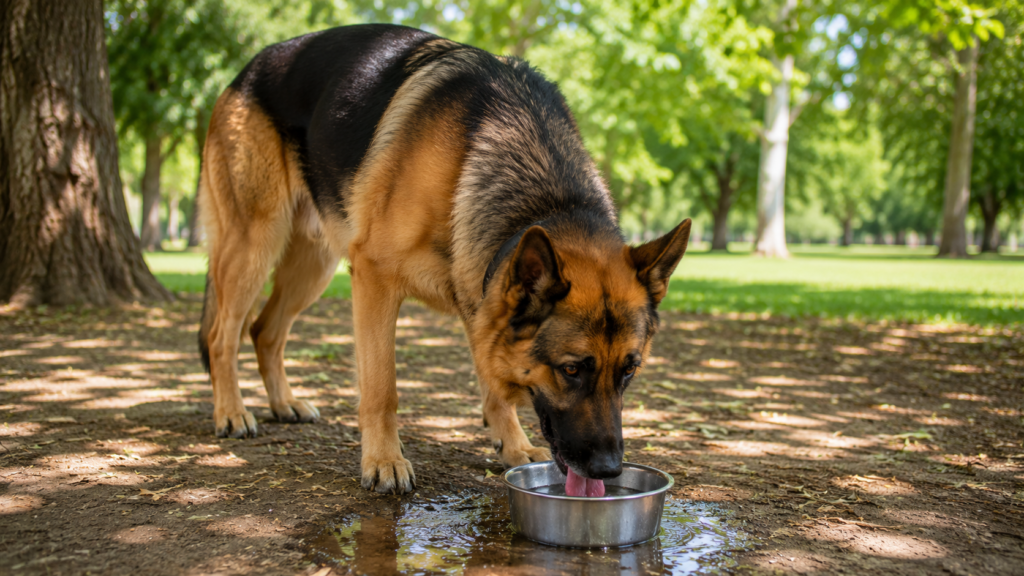
Although not every cause can be prevented, healthy daily habits can significantly reduce your German Shepherd’s risk.
Helpful prevention tips include:
- Exercise during cooler parts of the day.
- Always provide access to fresh drinking water.
- Never leave your dog inside a parked vehicle.
- Maintain a healthy body weight.
- Feed a balanced, high-quality diet.
- Schedule regular veterinary checkups.
- Keep vaccinations and parasite prevention up to date.
- Increase exercise gradually instead of sudden, intense activity.
- Watch for changes in breathing, especially in senior dogs.
- Never muzzle a panting dog unless specifically instructed by a veterinarian, as panting is essential for cooling.
Consistent preventive care helps identify health problems early and reduces the risk of emergencies.
Also Read: How Much Exercise Does a German Shepherd Need? Proper daily exercise helps keep your dog fit without increasing the risk of overheating.
Frequently Asked Questions
Why is my German Shepherd panting while resting?
Panting while resting is not always normal. It may be caused by pain, stress, overheating, heart disease, lung problems, obesity, fever, or other medical conditions. If the panting is persistent or accompanied by weakness, pale gums, coughing, or difficulty breathing, contact your veterinarian promptly.
Is heavy panting normal after exercise?
Yes. German Shepherds naturally pant after exercise to cool themselves down. Their breathing should gradually return to normal within 10 to 30 minutes of resting in a cool environment. If heavy panting continues much longer or worsens, it may indicate an underlying problem.
Why does my German Shepherd pant at night?
Nighttime panting may result from a warm sleeping environment, anxiety, pain, digestive discomfort, or certain medical conditions. Persistent nighttime panting, especially when combined with restlessness or coughing, should be evaluated by a veterinarian.
Can anxiety cause excessive panting?
Yes. German Shepherds often pant when they are anxious, frightened, or under stress. Common triggers include thunderstorms, fireworks, separation anxiety, unfamiliar environments, and veterinary visits. Anxiety-related panting usually improves once the dog feels calm and safe.
When should I worry about my German Shepherd panting?
Seek immediate veterinary care if your German Shepherd pants heavily while resting, has difficulty breathing, collapses, develops pale or blue gums, has a swollen abdomen, or shows signs of severe weakness. These symptoms may indicate a life-threatening emergency such as heatstroke or gastric dilatation-volvulus (GDV).
Conclusion
So, why is your German Shepherd panting so much? In many cases, panting is a completely normal way for dogs to regulate their body temperature after exercise, excitement, or exposure to warm weather. However, excessive or unexplained panting can also be an early warning sign of pain, heatstroke, heart disease, respiratory illness, anxiety, or other medical conditions.
Pay close attention to when the panting occurs, how long it lasts, and whether your dog shows additional symptoms such as coughing, weakness, pale gums, vomiting, or abdominal swelling. When in doubt, it’s always safer to have your German Shepherd examined by a veterinarian. Early diagnosis and treatment can prevent serious complications and help your dog stay healthy and comfortable.
Veterinary Disclaimer
This article is intended for educational purposes only and should not replace professional veterinary advice. If your German Shepherd experiences persistent, severe, or sudden panting, especially alongside difficulty breathing, collapse, or other concerning symptoms, seek immediate veterinary care.