At what age do German Shepherds Calm Down? (Powerful Guide & Training Tips)
Understanding When German Shepherds Start to Calm Down:
Many owners ask, What age do German shepherds calm down, because this breed can feel like a furry storm during the puppy and teenage months. One minute, your dog is sleeping. The next minute, they are running through the house, chewing a toy, barking at a sound, and following you like a shadow. It can feel intense, but the good news is that this stage does not last forever.
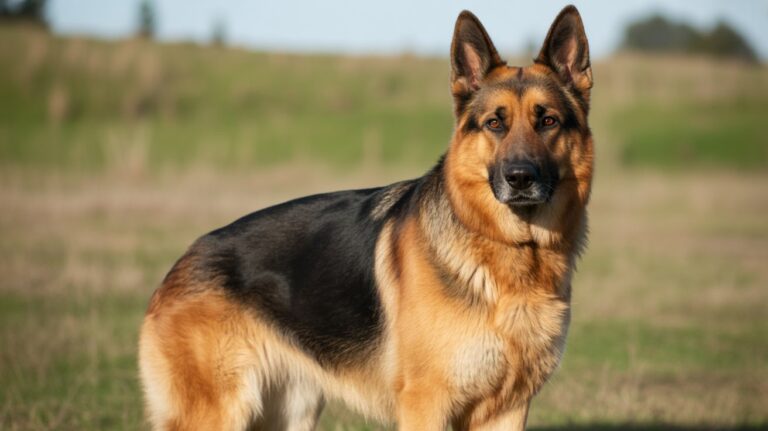
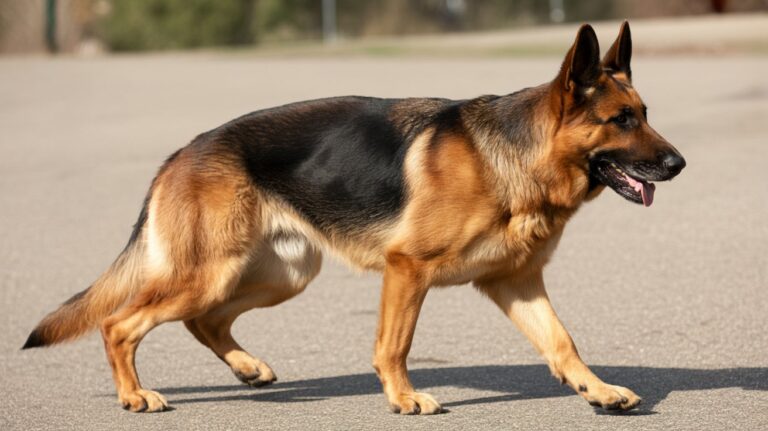
German Shepherds begin to show clear signs of calming down between 2 and 3 years old. Some may settle earlier, around 18 months, while others may stay very energetic until 4 years old. This depends on genetics, training, exercise, health, diet, and daily routine. Since German Shepherds are a large working breed, they usually mature more slowly than smaller dogs.
German Shepherds calm down after they pass the teenage stage and grow into full adults. That usually happens somewhere between 24 and 36 months. However, calm does not mean lazy. A calm German Shepherd is still alert, smart, active, and ready to work. They just become easier to guide.
A mature German Shepherd may still love running, training, playing, and guarding the home. The difference is that they learn when to switch off. They stop reacting to every small noise. They listen better. They do not need to jump on every guest or chase every moving object. That is the goal.
German Shepherds are not couch potato dogs. They were bred to work, think, protect, herd, and stay close to humans. So, even when they become adults, they still need daily exercise and mental activity. Without that, even a 5-year-old German Shepherd can act restless or naughty.
Why German Shepherds Stay Energetic Longer:
German Shepherds were originally bred for herding, protection, and other demanding jobs. Because of this working heritage, they naturally have higher energy levels and require more physical activity and mental stimulation than many companion breeds.
German Shepherds stay energetic because they’re intelligent, athletic, and deeply connected to their owners. They’re not the kind of dog that’s happy being ignored all day. If they don’t get a job, they’ll often create one. Sadly, that “job” might be barking at the window, digging in the yard, chewing furniture, or chasing the cat.
This breed also goes through a strong adolescent phase. During this stage, your dog may test limits, ignore commands, become more independent, and seem to have forgotten their training. Do not panic. This is common in many young dogs. It does not mean your German Shepherd is bad. It means they need calm, steady leadership.
For more breed background, you can review the American Kennel Club’s German Shepherd breed profile here: German Shepherd Dog Breed Information by AKC.
Many owners mistake normal adolescent behavior for permanent hyperactivity. Understanding when a German Shepherd reaches full physical and mental maturity can help set realistic expectations. What Age Is a German Shepherd Fully Grown?
Working Line vs Show Line German Shepherds:
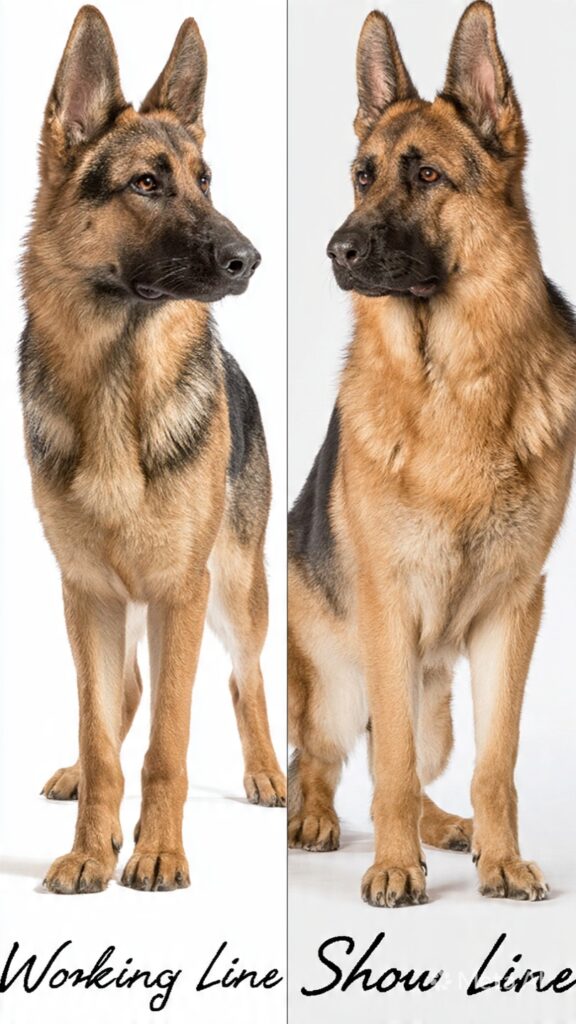
Not all German Shepherds mature at the same pace. One reason is the difference between working lines and show lines.
Working-line German Shepherds are bred for demanding jobs such as police work, military service, protection sports, and advanced obedience. These dogs often have higher energy levels, stronger drives, and a greater need for mental stimulation. As a result, many working-line German Shepherds remain highly active well beyond their second birthday.
Show-line German Shepherds are usually bred with a greater focus on appearance and companionship. While they still need training and exercise, many owners find that show-line dogs become easier to manage earlier than their working-line counterparts.
This does not mean one type is better than the other. It simply means your dog’s genetics can influence how quickly they mature. If your German Shepherd comes from strong working lines, it is normal for them to stay energetic longer than the average family pet.
Nutrition also affects energy levels and overall development throughout adulthood. Also Read: What Is Good Dog Food For German Shepherds?
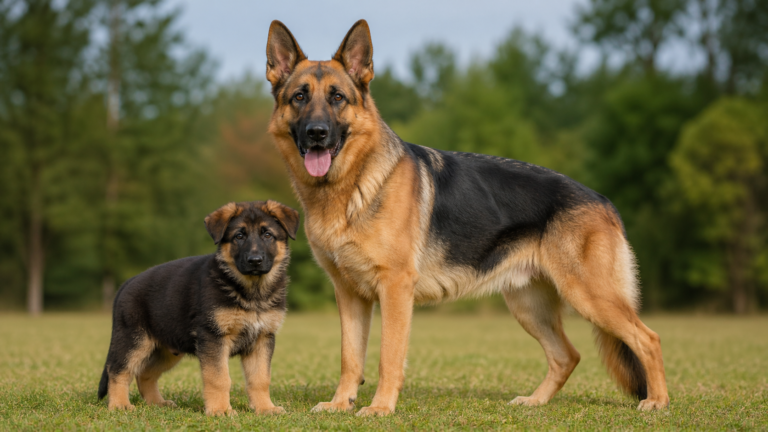
Age Timeline From Puppy to Adult
| Age | Common Behaviour | Owner Focus |
| 8 to 16 weeks | Curious, mouthy, playful, easily tired | Socialization, potty training, and gentle rules |
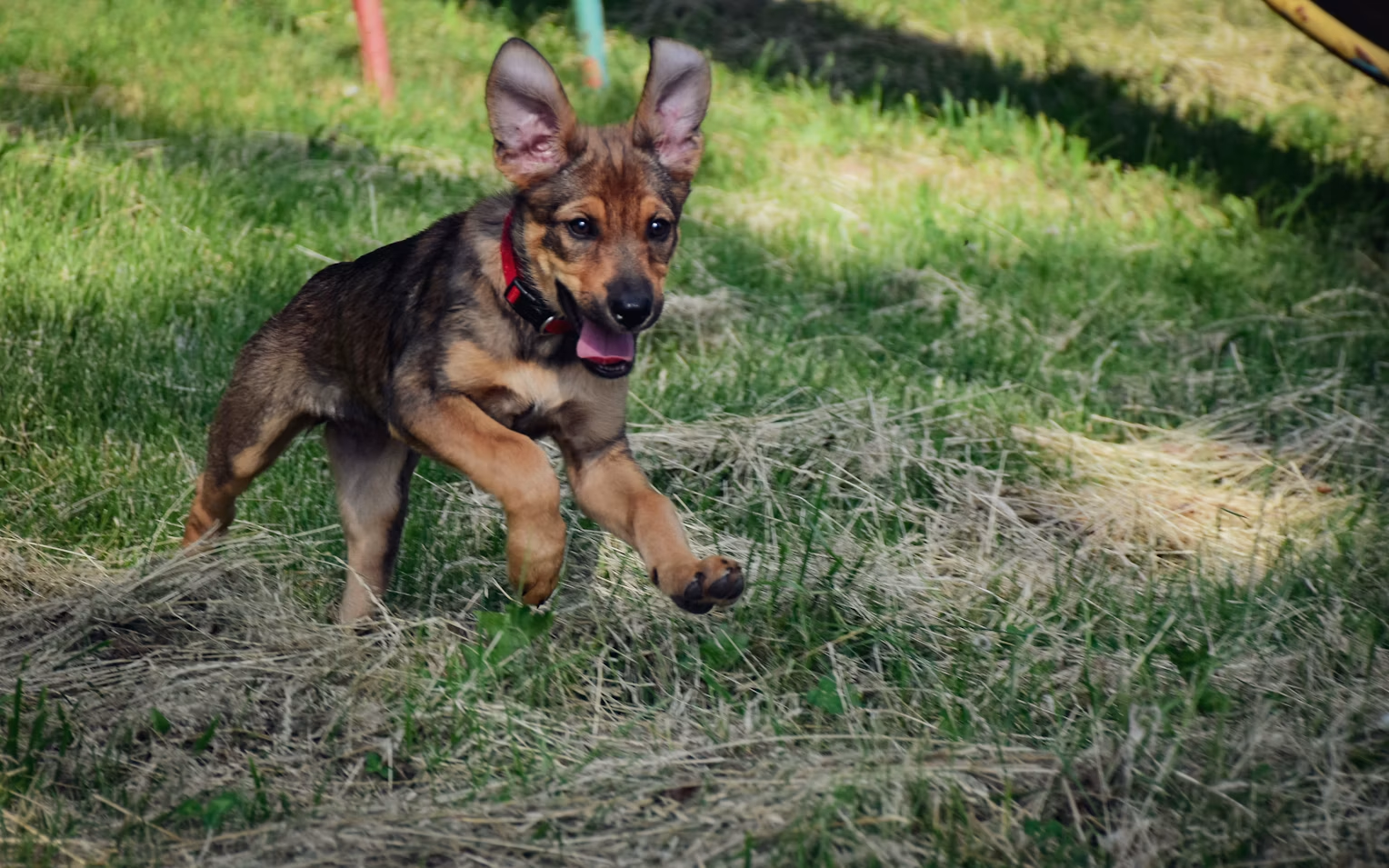
| 4 to 6 months | More energy, teething, jumping | Basic commands, leash manners, chew toys |
| 6 to 12 months | Teenage behavior, testing limits | Consistency, impulse control, daily exercise |
| 12 to 24 months | Strong body, big energy, better focus | Advanced training, calm routines, boundaries |
| 2 to 3 years | More emotional control | Maintain training and exercise |
| 3 years and older | More settled, reliable, steady | Keep mind and body active |
Keep in mind that every German Shepherd develops at a slightly different pace. Genetics, nutrition, training, exercise, and overall health all influence when a dog begins to settle into adult behavior.
What Calm Really Means:
Calm does not mean your German Shepherd will stop being a German Shepherd. A calm dog still enjoys play, walks, training, and family time. Calm means your dog can relax after an activity. It means they can hear a doorbell without losing control. It means they can settle on a mat while you work or eat dinner.
A calm German Shepherd understands the rhythm of the home. They know when it is time to play and when it is time to rest. They are not perfect robots, and honestly, you do not want that. You want a confident dog that can think, listen, and relax.
Important Owner Reminder:
If your German Shepherd is still wild at 2 years old, do not lose hope. Many dogs improve with a better routine, clearer rules, and more mental work. If the behavior feels extreme, sudden, or aggressive, speak with a vet or certified dog trainer. Health, pain, anxiety, or poor socialization can also affect behavior.
If your dog is becoming calmer because of age, maintaining a healthy body weight is equally important. Read Now: How Many Calories Does A German Shepherd Need?
Main Reasons Your German Shepherd Still Acts Hyper:
Hyperactivity is not always caused by age. In many cases, German Shepherds remain overly excited because their physical exercise, mental enrichment, or daily routine does not fully meet their needs.
Before asking at what age German shepherds calm down, it helps to ask why your dog feels so hyper in the first place. Age matters, but it’s only one part of the story. A German Shepherd can be young and well-behaved, or older and still difficult. The real difference often comes from daily habits.
A German Shepherd’s energy needs direction. Think of this breed like a smart student in a classroom. If the lesson is clear and engaging, they shine. If there is no structure, they get bored and start causing trouble. Your dog is not trying to ruin your day. They are trying to release energy, stress, or confusion.
Lack of Exercise and Mental Work:
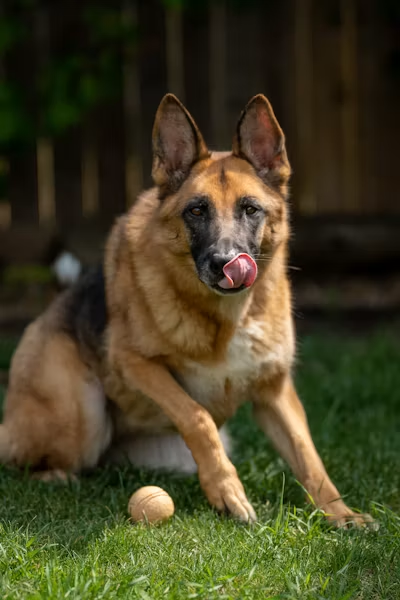
German Shepherds need both physical exercise and mental work. A short walk around the block may not be enough, especially for a young adult. Many owners focus only on running and walking, but mental exercise is just as important. Training, puzzle toys, scent games, and obedience drills can healthily tire the brain.
A bored German Shepherd may bark too much, chew things, jump on people, pace around the house, or demand attention all day. These behaviors can look like bad manners, but many times, they are signs of unmet needs. When the mind has no job, the body often becomes restless.
Good activities include:
- Structured walks with leash training
- Short obedience sessions
- Fetch with rules
- Hide and seek games
- Scent work
- Food puzzle toys
- Place training
- Calm social exposure
The goal is not to exhaust your dog to the point of collapse. That can create an athlete who needs increasingly intense activity. Instead, balance movement with thinking. A dog that learns self-control becomes calmer than a dog that only learns speed.
Not sure whether your dog is getting enough daily activity? Exercise requirements change with age, and under-exercised German Shepherds often appear much more hyper than they really are. How Much Exercise Does a German Shepherd Need?
Inconsistent Training at Home:
Inconsistent training is another major reason German Shepherds stay hyper. If your dog is allowed to jump sometimes but corrected other times, they become confused. If one family member allows sofa climbing and another says no, your dog won’t understand the rule. German Shepherds are smart, but they need fair and clear direction.
This breed does best in homes with simple rules. For example, sit before meals. Wait before going through the doors. Stay calm before the leash goes on. Go to your place during dinner. These small rules teach patience. Over time, patience becomes a habit.
German Shepherds also respond strongly to your energy. If you shout, chase, or react with panic, they may become more excited. Calm handling works better. You don’t need to be harsh. You need to be steady.
Common Mistakes Owners Make:
Many owners accidentally reward wild behavior. It happens more often than people realize. For example, if your dog jumps and you talk, push, laugh, or yell, they may see that as attention. If your dog barks and you immediately throw the ball, they learn barking works.
Common mistakes include:
- Giving attention during jumping
- Playing rough games indoors
- Skipping training for several days
- Letting the dog pull on walks
- Feeding too many high-energy reactions
- Using long exercises without calm training
- Expecting maturity without guidance
None of these mistakes makes you a bad owner. They just show where small changes can make a big difference.
Signs Your Dog Needs More Structure:
Your German Shepherd may need more structure if they can not settle after exercise, follow you constantly, bark at every sound, steal objects for attention, or become pushy around food and doors. These signs do not always mean dominance. Often, they mean the dog does not know what to do next.
Structure gives your dog peace. Dogs relax when life is predictable. When your German Shepherd knows which behaviors earn rewards, they feel safer and calmer.
Helpful Daily Check
Ask yourself three simple questions each day. Did my dog move their body? Did my dog use their brain? Did my dog practice calm behavior? If the answer is yes, you are building the right foundation.
Smart Ways to Help Your German Shepherd Calm Down:
Now that you know the likely answer to At what age do German shepherds calm down, let’s talk about what you can do today. Waiting for age alone is not the best plan. Your German Shepherd needs guidance while they mature. The right habits can bring a calm state sooner and make it feel much easier.
Build a Predictable Daily Routine:
A strong routine is one of the best tools for a calmer German Shepherd. Dogs feel better when they know what to expect. Wake up, potty break, walk, breakfast, rest, training, play, and sleep should follow a steady rhythm when possible.
This does not mean every day must be perfect. Life happens. Still, a general routine helps your dog understand when it’s time to be active and when it is time to settle. A German Shepherd without a routine may stay alert all day because they do not know what comes next.
A simple daily plan can look like this:
| Time | Activity |
| Morning | Potty, walk, breakfast, short training |
| Midday | Puzzle toy, rest, light play |
| Afternoon | Walk, obedience, scent game |
| Evening | Family time, calm mat training |
| Night | Potty, quiet rest, sleep |
Routine also prevents overtired behavior. Puppies and teenage dogs can act wild when they’re too tired. Just like kids, they may need help settling down. A crate, quiet room, or dog bed can teach rest as a normal part of the day.
Consistency is more important than perfection. Even simple routines followed every day often produce better long-term behavior than occasional intense training sessions.
A consistent feeding schedule also helps establish a predictable daily routine. Read: How Long Can a German Shepherd Go Without Eating?
Use Training to Tire the Mind:
Training is not only for commands. It’s also a way to build calm focus. German Shepherds love learning when training feels fair and rewarding. Short sessions work best. Five to ten minutes, a few times a day, can be better than one long session.
Useful commands include sit, down, stay, leave it, drop it, heel, come, and place. These commands help in real life. For example, “place” teaches your dog to relax on a bed when guests arrive. “Leave it” helps stop chasing and grabbing. “Stay” teaches impulse control.
Reward calm choices. If your dog lies down quietly, praise them softly. If they sit instead of jumping, reward them. If they look at you instead of barking, mark the behavior with a calm “yes” and give a treat. What gets rewarded gets repeated.
Calm Games That Actually Help:
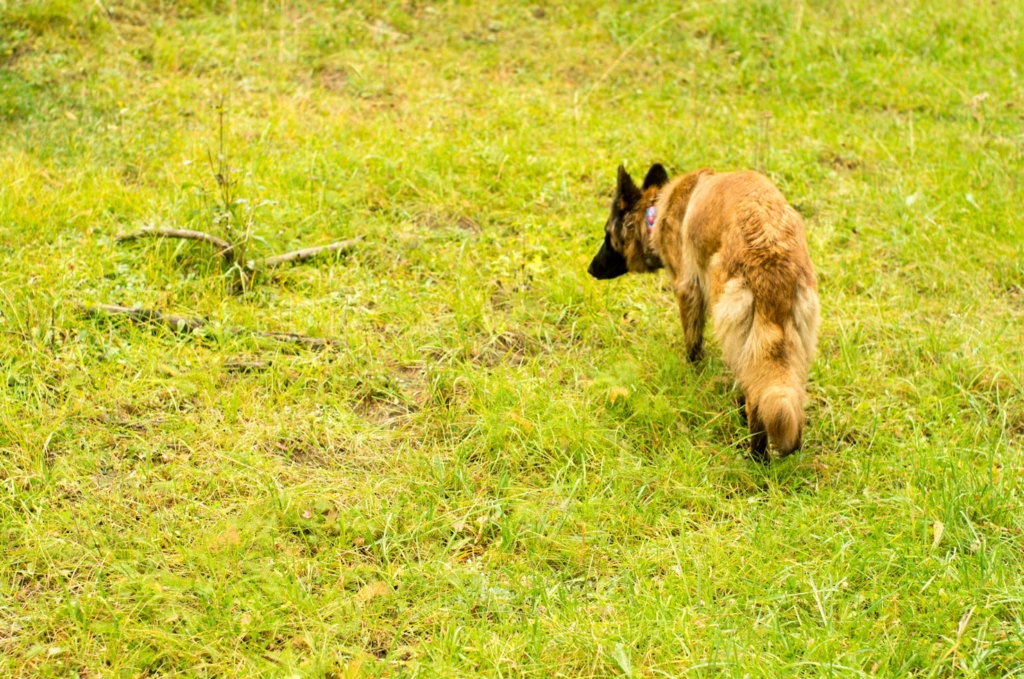
Not all games make dogs calmer. Some games create more excitement. Choose games that involve thinking and self-control.
Try these calm games:
- Find it: Hide treats around a room and let your dog sniff them out.
- Place game: Send your dog to a mat and reward quiet staying.
- Name the toy: Teach your dog to pick a toy by name.
- Slow fetch: Ask for sit before each throw.
- Treat scatter: Toss kibble into the grass so your dog uses their nose.
- Impulse control bowl: Ask your dog to wait before eating.
Scent work is especially useful because sniffing can be naturally relaxing for many dogs. It gives the brain a job without adding too much physical excitement.
What to Avoid During Training:
Avoid yelling, harsh punishment, and chaotic play. These can increase stress and make your German Shepherd more reactive. Also, avoid training only when your dog is already out of control. Practice calm skills when your dog is slightly tired and able to listen.
Do not turn every walk into a race. Walks should include sniffing, focus, loose-leash practice, and calm exposure to the world. Your dog should learn that outside doesn’t always mean pulling, lunging, and excitement.
Final Training Note:
Progress takes time. Some days will be smooth, and some days will feel messy. That’s normal. Stay consistent, reward the behavior you want, and keep sessions short. Your German Shepherd does not need perfection. They need clear guidance and patient repetition.
What Dog Trainers and Behavior Experts Observe:
Professional trainers commonly report that German Shepherds experience a noticeable shift in maturity between 24 and 36 months of age. During this period, many dogs develop better impulse control, improved focus, and a greater ability to relax after activity.
Canine behavior specialists also note that adolescence can temporarily affect obedience. A young German Shepherd may seem to forget commands they already know. This phase is a normal part of development and does not usually indicate a training failure.
The key is consistency. Dogs that receive regular exercise, clear rules, mental enrichment, and positive training often mature into calmer adults more smoothly than dogs with little structure. While age plays a role, daily habits have an even greater impact on long-term behavior.
Research and practical experience both suggest that maturity develops gradually rather than overnight. Many German Shepherds become noticeably calmer as their brains finish developing, especially when owners provide consistent structure, positive reinforcement, and regular mental challenges.
When Should You Seek Professional Help?
While most energetic behavior is completely normal in young German Shepherds, professional advice may be needed if your dog shows sudden aggression, extreme anxiety, destructive behavior, or cannot settle despite receiving adequate exercise and training. A veterinarian can rule out medical problems, while a qualified dog trainer or behaviorist can identify behavioral issues and create an appropriate training plan.
FAQ’s:
At what age do German Shepherd puppies stop being so hyper?
Most German Shepherd puppies start becoming less hyper after 18 months, but many don’t truly settle until 2 to 3 years old. Some calm down earlier with strong training and daily exercise. Others take longer because of genetics, energy level, and home routine.
Do male or female German Shepherds calm down faster?
There is no fixed rule. Some female German Shepherds mature a little faster, while some males stay playful for longer. However, training, exercise, socialization, and personality matter more than gender. A well-trained male can be calmer than an undertrained female.
Will neutering or spaying calm my German Shepherd down?
Spaying or neutering may reduce some hormone-driven behaviors, but it won’t replace training. It usually does not fix barking, jumping, pulling, chewing, or poor impulse control on its own. Speak with your vet before making this decision, because timing can depend on your dog’s health and growth.
Why is my 2-year-old German Shepherd still crazy?
A 2-year-old German Shepherd may still be energetic because the breed matures slowly. Your dog may also need more mental work, clearer rules, better sleep, or calmer training. If the behavior is sudden, extreme, or aggressive, a vet check is a smart step.
How much exercise does a German Shepherd need to stay calm?
Most adult German Shepherds need daily physical exercise plus mental stimulation. This can include walks, training, scent games, fetch with rules, and puzzle toys. The exact amount depends on age, health, and personality. Young dogs often need more structure than older dogs.
Do Working-Line German Shepherds Calm Down Later?
Often, yes. Working-line German Shepherds are bred for high-performance tasks and typically have stronger drives than many show-line dogs. Because of this, they may stay more energetic throughout their young adult years. However, with proper training and mental stimulation, they can still learn to settle well at home.
Conclusion
A common question among owners is, what age do German Shepherds calm down? For most dogs, the answer falls somewhere between 2 and 3 years old. However, maturity is influenced by more than age alone. Genetics, daily exercise, mental stimulation, training consistency, and household structure all play important roles in shaping behavior.
It’s also important to remember that a calm German Shepherd is not a lazy German Shepherd. Even mature adults remain intelligent, alert, and active. The difference is that they learn how to manage their energy and respond more appropriately to the world around them.
If your German Shepherd still seems overly energetic, focus on building better routines rather than simply waiting for time to pass. Consistent training, enrichment activities, and clear expectations can make a significant difference. With patience and guidance, most German Shepherds develop into loyal, confident companions who know when it’s time to work, play, and relax.