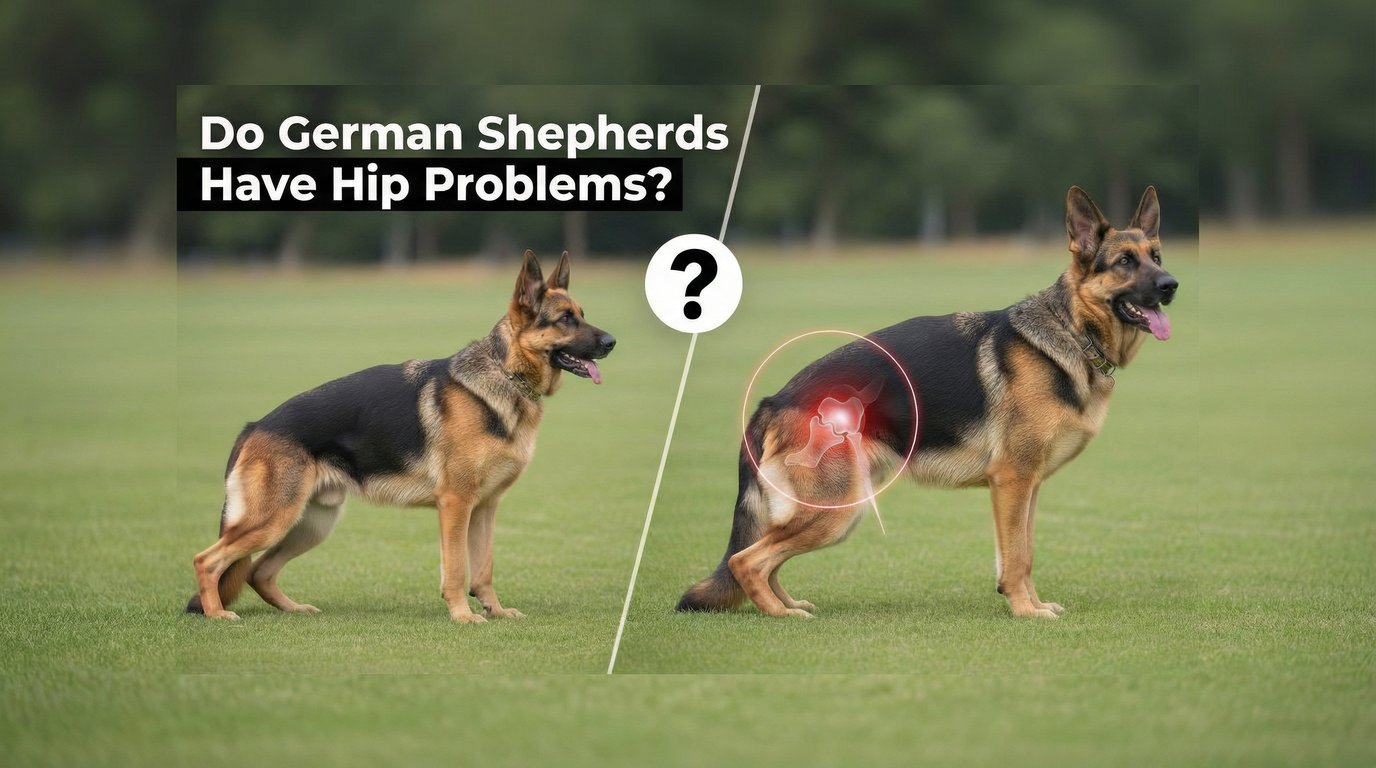
Do German Shepherds Have Hip Problems? (Complete Owner Guide 2026)
Yes. German Shepherds are one of the breeds commonly affected by canine hip dysplasia, a developmental condition in which the hip joint does not develop normally. It can lead to joint looseness, pain, reduced mobility, and osteoarthritis over time. Genetics is an important risk factor, while growth rate, nutrition, body weight, and other environmental factors can also influence how the condition develops
In this guide, you’ll learn about the signs of hip dysplasia, how veterinarians diagnose it, treatment options, and practical ways to support your German Shepherd’s mobility and comfort.
What Is German Shepherd Hip Dysplasia?
German Shepherd hip dysplasia is a developmental joint disorder where the hip joint does not fit together properly.
In affected dogs, the hip joint can be abnormally loose (joint laxity), allowing excessive movement between the ball and socket.
German Shepherds are among the large breeds commonly affected by canine hip dysplasia, although any dog can potentially develop the condition.
This condition is also known as canine hip dysplasia, a common orthopedic disorder in large and giant breeds.
Early recognition and veterinary assessment can help determine appropriate management, particularly in young dogs.
What Are the Signs of Hip Dysplasia in German Shepherds?
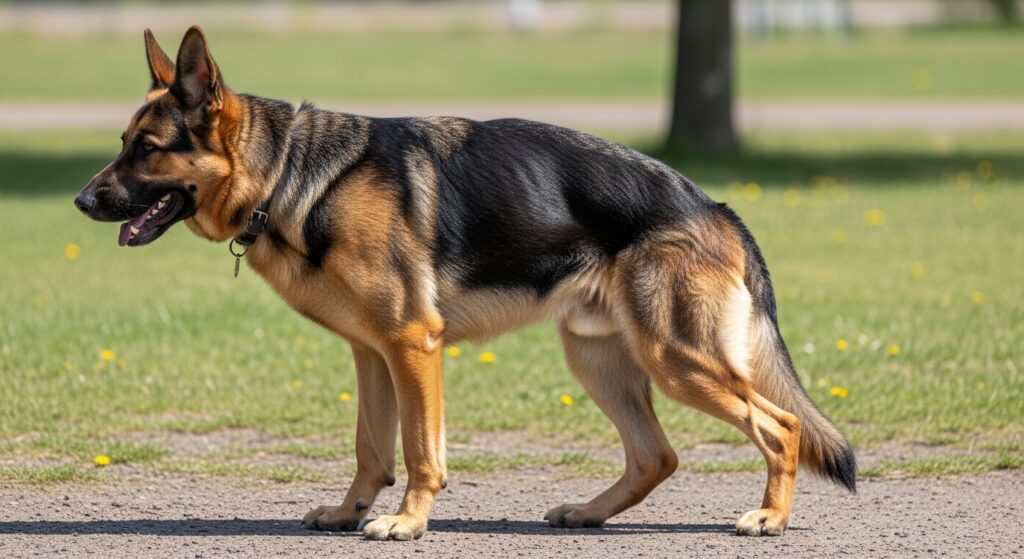
The signs of hip dysplasia can vary. Some dogs show symptoms when they are young, while others may not develop obvious problems until osteoarthritis progresses later in life.
Watch for:
- Bunny hopping gait while running
- Stiffness after rest
- Difficulty standing up
- Reluctance to jump
- Hind leg weakness
- Swaying hips while walking
- Less interest in exercise
These signs can also occur with other orthopedic or neurological problems. If your German Shepherd develops persistent stiffness, limping, difficulty rising, or reduced activity, a veterinary examination is needed to identify the cause.
Early signs may come and go, which makes them easy to ignore.
Also Read: How Much Exercise Does a German Shepherd Need?
Can Hip Dysplasia Get Worse Over Time?
Canine hip dysplasia develops during growth and can result in abnormal looseness of the hip joint.. Over time, abnormal movement can damage the joint and contribute to osteoarthritis. However, the severity and speed of progression vary between dogs. Some dogs have significant changes on X-rays with few visible symptoms, while others experience pain and mobility problems despite less obvious radiographic changes.
What Causes Hip Dysplasia In German Shepherds?
Hip dysplasia is a multifactorial condition, meaning there is no single cause. Genetics is the biggest individual risk factor, but other factors can influence how the condition develops, including growth rate, nutrition, body weight, exercise, muscle mass, and the environment during growth.
Factors that may contribute include:
- Inherited genetic risk
- Rapid growth or excessive weight gain during development
- Overfeeding during puppyhood
- Excess body weight
- Nutrition that does not support appropriate large-breed growth
- Environmental and activity-related factors
Because genetics cannot be changed after a puppy is born, maintaining an appropriate body condition and avoiding excessive growth are important parts of reducing additional stress on developing joints.
Also Read: Are German Shepherds Prone To Cancer?
How Can You Support Healthy Hip Development in a German Shepherd Puppy?
You cannot completely prevent genetically influenced hip dysplasia, but healthy growth and body condition can help reduce additional stress on developing joints.
Focus on the following:
- Feed a diet formulated for appropriate large-breed puppy growth.
- Avoid overfeeding and excessive weight gain.
- Keep your puppy in a healthy, lean body condition.
- Use measured meals rather than encouraging rapid growth.
- Ask your veterinarian for advice about diet and appropriate activity for your puppy’s age.
German Shepherds with a family history of hip problems may also benefit from discussing early screening options with a veterinarian.
If your puppy comes from a breed or family line with a history of hip problems, ask your veterinarian whether early hip evaluation is appropriate.
What Exercise Is Suitable for a German Shepherd With Hip Dysplasia?
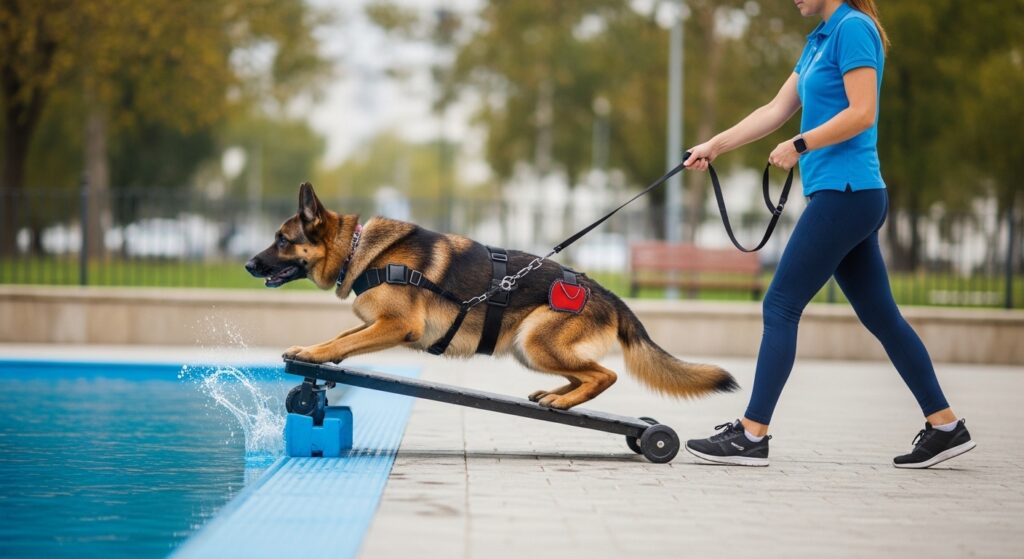
Exercise should be adjusted to the individual dog’s comfort, mobility, and veterinary treatment plan. Complete inactivity can lead to muscle loss, while excessive high-impact activity may worsen discomfort.
Many affected dogs benefit from controlled, low-impact activity such as:
- Comfortable leash walks
- Veterinary-guided rehabilitation
- Hydrotherapy or swimming when appropriate
- Exercises designed to maintain muscle strength and joint movement
Activities involving repeated high-impact jumping or exercise that clearly causes pain may need to be limited. Ask your veterinarian or veterinary rehabilitation professional for an exercise plan tailored to your dog.
How Do Veterinarians Diagnose Hip Dysplasia?
Veterinarians diagnose hip dysplasia using a combination of the dog’s history, physical examination, assessment of hip joint stability, and X-rays (radiographs). Proper positioning for diagnostic hip radiographs may require sedation or anesthesia.
PennHIP is one radiographic method used to measure hip joint laxity and assess future risk. It requires specific training, equipment, and positioning. Other radiographic evaluation methods may also be used depending on the dog’s age and the purpose of the examination.
Your veterinarian can recommend the most appropriate diagnostic approach based on your dog’s age, symptoms, and breeding or treatment needs.
A veterinarian may also assess hip laxity during a physical examination, including the Ortolani maneuver in appropriate young dogs.
What Are the Treatment Options for Hip Dysplasia?
Treatment depends on the dog’s age, symptoms, joint damage, overall health, and lifestyle. Some dogs can be managed without surgery, while others may benefit from surgical treatment.
Non-Surgical Management
Depending on the individual dog, a veterinarian may recommend:
- Maintaining a healthy body weight
- Activity modification
- Physical rehabilitation
- Veterinary-prescribed pain or anti-inflammatory medication
- Omega-3 fatty acids or other supplements may be considered as part of management, depending on the individual dog.
Not every supplement has the same level of scientific evidence, so discuss supplements with your veterinarian before using them as treatment.
Surgical Treatment
Surgical options may include:
- Juvenile pubic symphysiodesis (JPS) in carefully selected young dogs
- Double or triple pelvic osteotomy (DPO/TPO) in selected cases
- FHO is more commonly used in smaller dogs, although suitability depends on the individual patient.
- Total hip replacement (THR)
The appropriate procedure depends on the dog’s age, degree of hip laxity and arthritis, size, symptoms, and overall health.
Daily Care Routine At Home
Daily management significantly improves comfort.
Checklist:
- Observe movement each morning
- Maintain lean body weight
- Provide orthopedic bedding
- Keep nails trimmed for better traction
- Use ramps instead of stairs
- Prevent slipping on smooth flooring
These adjustments may help improve comfort, mobility, and safety at home, particularly for dogs with pain or difficulty moving.
How Much Can Hip Dysplasia Treatment Cost?
Costs vary by region and clinic experience.
The cost of hip dysplasia care varies widely depending on your location, the severity of the condition, diagnostic testing, medication, rehabilitation needs, and whether surgery is recommended.
Potential expenses may include:
Veterinary examinations
X-rays and other diagnostic testing
Medication
Rehabilitation or physical therapy
Long-term monitoring
Surgery in selected cases
Ask your veterinarian for an estimate based on your dog’s specific treatment plan.
Common Owner Mistakes
Ignoring persistent mobility changes can delay diagnosis and treatment. Hip dysplasia can vary greatly between dogs, so persistent stiffness, limping, or difficulty rising should be assessed by a veterinarian.
Avoid these mistakes:
- Ignoring mild stiffness
- Allowing obesity
- Buying from breeders without hip screening
- Stopping medication without veterinary advice
Encouraging activity beyond a puppy’s physical ability during growth.
Life Expectancy And Quality Of Life
Many German Shepherds with hip dysplasia can maintain a good quality of life with appropriate veterinary care, weight management, activity adjustment, and treatment when needed.
Key success factors:
- Early diagnosis
- Weight control
- Controlled exercise
- Pain management
- Regular veterinary monitoring
Mild cases often remain stable for years. Severe, untreated cases may develop chronic pain and significant muscle loss.
Quality of life depends on factors such as pain, mobility, body condition, joint damage, and response to treatment. Regular veterinary monitoring can help adjust the management plan as the dog’s condition changes.
Can Hip Dysplasia Heal Naturally?
Hip dysplasia does not simply disappear on its own. However, some dogs can be managed successfully without surgery through weight management, activity modification, pain control, and rehabilitation. Surgery may be recommended for selected dogs when medical management does not provide adequate comfort or when the dog is a suitable candidate for a specific procedure.
Is Hip Dysplasia Painful?
Hip dysplasia can cause pain and reduced mobility, particularly when joint instability and osteoarthritis develop. The severity of pain varies between dogs.
Some dogs hide discomfort. Behavioral changes such as reduced playfulness, hesitation before movement, or irritability may signal joint pain.
When Should You Consider Surgery?
Surgery may be considered when a dog’s pain or mobility problems remain significant despite appropriate medical management, or when a specific surgical procedure is recommended based on the dog’s age and hip condition.
The decision depends on factors such as:
- Age
- Size and body weight
- Degree of hip joint laxity and arthritis
- Severity of symptoms
- Response to nonsurgical treatment
- Overall health
A veterinarian or veterinary surgeon can determine whether a particular procedure is appropriate.
FAQ’s:
Are German Shepherds Prone To Hip Dysplasia?
Yes. German Shepherds are among the breeds commonly affected by canine hip dysplasia, although the condition can occur in many breeds and mixed-breed dogs.
Can German Shepherd Hip Problems Be Prevented?
Hip dysplasia cannot always be prevented because genetics plays an important role. However, maintaining appropriate growth and body weight, avoiding overfeeding during puppyhood, and using responsible breeding practices can help reduce risk or limit factors that contribute to joint stress.
Is Hip Dysplasia Painful For German Shepherds?
It can be. Pain and mobility problems vary between dogs and may become more noticeable as osteoarthritis develops. Some dogs also show few obvious signs despite changes in the hip joint.
What Are The First Signs Of Hip Problems In German Shepherds?
Possible signs include stiffness, limping, bunny-hopping when running, difficulty rising, reluctance to jump or climb stairs, and reduced activity. These signs can have other causes, so a veterinary examination is needed for diagnosis.
At What Age Do German Shepherds Develop Hip Problems?
Hip dysplasia begins during growth, but visible symptoms can appear at different ages. Some dogs show signs when they are young, while others do not develop obvious problems until later in life as joint degeneration or osteoarthritis progresses.
Conclusion:
German Shepherds are among the breeds commonly affected by canine hip dysplasia, a developmental condition influenced by genetics and other factors. Hip dysplasia can lead to pain, reduced mobility, and osteoarthritis, but the severity varies from dog to dog.
Maintaining a healthy body weight, supporting appropriate growth, seeking veterinary advice when mobility changes appear, and using appropriate treatment can help affected dogs remain comfortable. Some dogs can be managed without surgery, while others may benefit from a surgical procedure chosen for their individual condition.