How Long Can a German Shepherd Go Without Eating? (Know the Limits)
A healthy adult German Shepherd can usually go 24 to 72 hours without food, but that does not mean it is safe to wait. Water matters more; without it, risk rises quickly. If your dog skips meals for more than a day, start paying attention to behavior and energy. Many owners first notice this when their usually excited dog suddenly ignores food.
In this guide, you will understand how long a German Shepherd can go without eating, what happens during that time, and when you should take action.
How Long Can a German Shepherd Safely Go Without Eating?
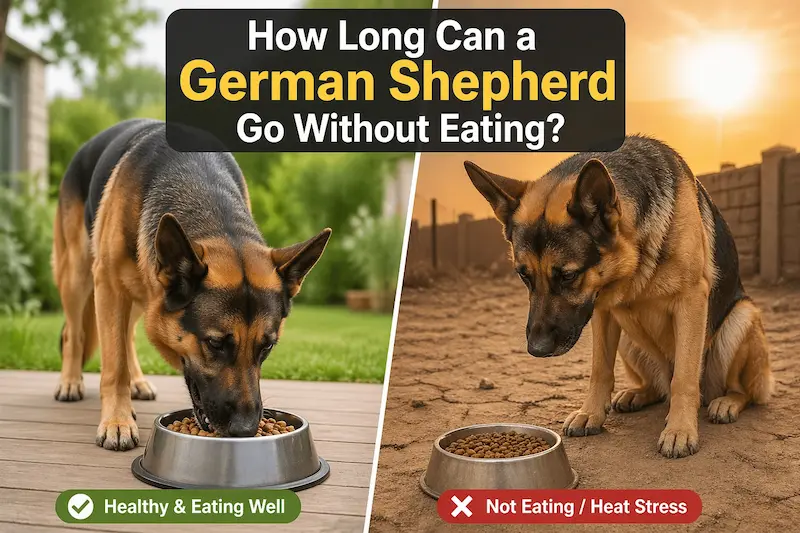
How Long Can a German Shepherd Go Without Eating? A dog’s body starts shifting into energy-saving mode when food is missing, slowing metabolism to preserve strength.
Healthy Adult German Shepherd
Most healthy adult German Shepherds can manage 1 to 2 days without food if they are still drinking water and behaving normally. Their bodies switch to stored fat for energy, slowing metabolism.
However, from practical experience, dogs rarely skip food without a reason. If your dog refuses food beyond 48 hours, it is no longer normal behaviour; it is a warning sign that should not be ignored.
Also Read: How Many Calories Does A German Shepherd Need?
Puppies (High Risk Group)
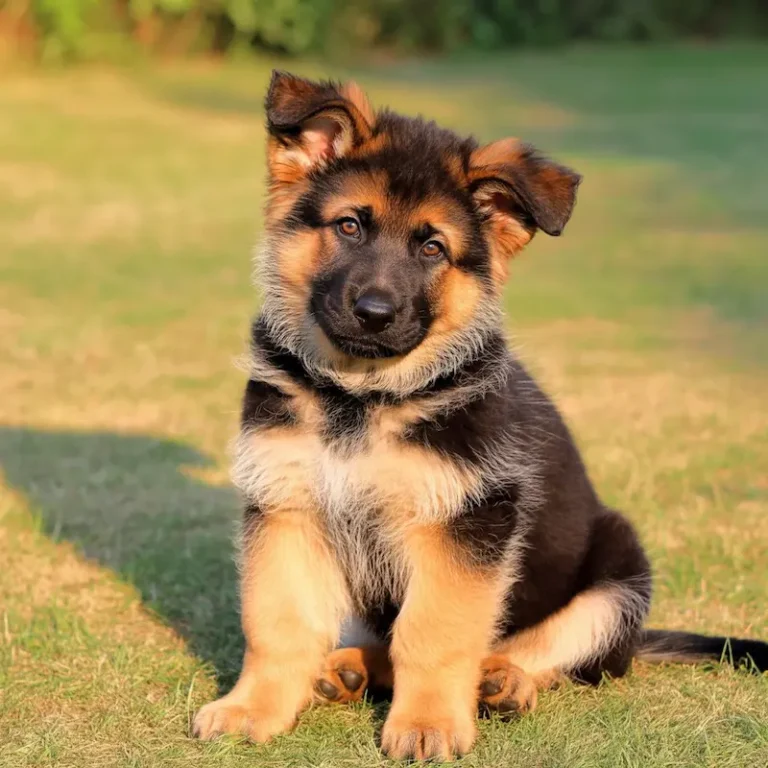
Puppies are much more vulnerable than adult dogs.
Puppies lose energy much faster than adult dogs. Their blood sugar can drop quickly, which can lead to weakness within hours.
Even 12 to 24 hours without food can be risky. Unlike adults, puppies lack sufficient energy reserves, so early action is critical.
Senior Dogs
Older German Shepherds often have underlying issues that affect appetite.
Older dogs often deal with slower digestion, reduced immunity, and hidden health issues, which can directly affect their appetite.
If a senior dog skips meals for more than a day, it is safer to check early rather than wait. In many cases, appetite loss is the first sign of a deeper problem.
Sick or Injured Dogs
When a dog is already unwell, appetite loss becomes more serious because the body needs energy to recover. Without food, strength drops faster, healing slows down, and the risk of complications increases. Veterinary experts often consider 24 hours without eating in a sick dog a clear warning sign. In such cases, even a short delay should not be ignored.
What Happens If a German Shepherd Stops Eating?
First 24 Hours
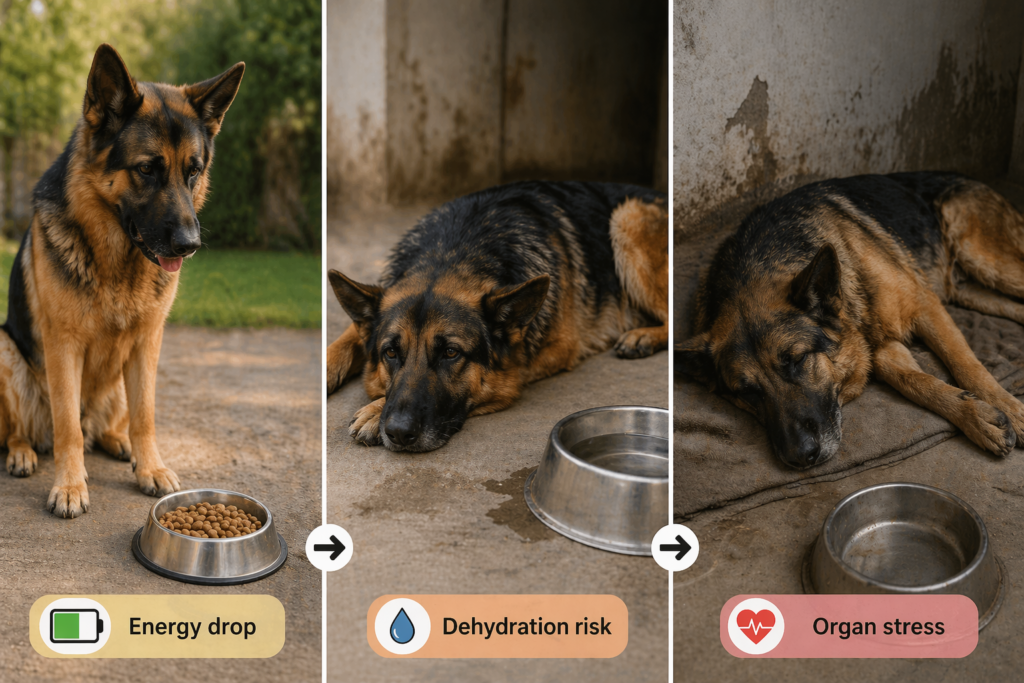
The first 24 hours are usually mild and often temporary. You may notice a slight drop in energy, small behavior changes, or less excitement around food, while the dog still drinks water normally. In many cases, dogs recover on their own, especially if the cause is stress or a minor issue. Many owners notice their dog becoming quieter or less playful during this time.
After 48 Hours
After 48 hours, the situation becomes more concerning and should not be treated as normal behavior. Weakness becomes more noticeable, activity levels drop, and the early risk of dehydration begins. At this stage, many dogs avoid movement and prefer resting more than usual. This usually indicates that something is affecting their health or comfort.
After 72 Hours
This is a serious stage that requires immediate action.
| Condition | What Happens |
| Energy | Very low, minimal movement |
| Organs | Start experiencing stress |
| Immunity | Drops significantly |
| Risk Level | High – urgent care needed |
Waiting beyond this stage can lead to complications that are much harder to treat. At this stage, the body begins to conserve energy aggressively, placing additional stress on vital organs.
Common Reasons Why German Shepherds Stop Eating
Stress or Environmental Changes
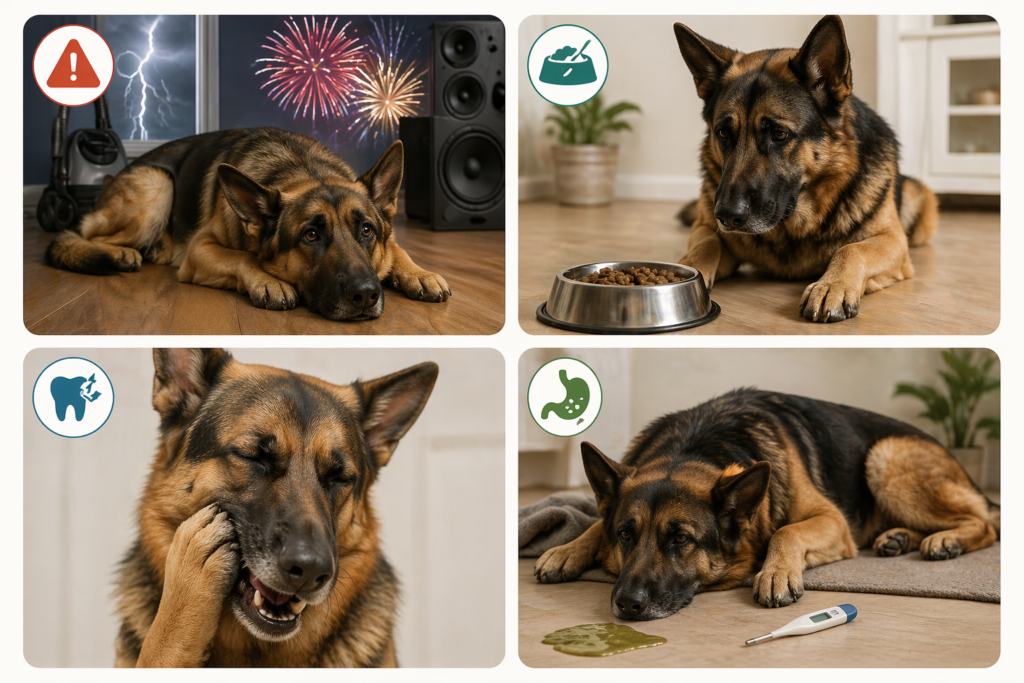
German Shepherds are sensitive dogs and react strongly to change.
- Moving to a new home
- Loud environments
- Changes in routine
- Separation anxiety
Even small disruptions can affect appetite more than most owners expect.
Illness or Medical Issues
Sometimes the reason a dog stops eating is internal and not immediately visible. Conditions like stomach upset, infection, fever, or digestive problems can reduce appetite. If food refusal is combined with symptoms such as vomiting, diarrhea, or lethargy, it should not be delayed, as these signs often point to an underlying health issue.
According to PetMD, loss of appetite along with symptoms like vomiting or low energy often signals an underlying health issue.
Food Preferences or Diet Changes
Dogs can suddenly refuse food if there are changes in taste, smell, or quality. Switching brands too quickly, introducing new textures, or offering spoiled food can lead to rejection. In most cases, a gradual transition works better and helps the dog adjust without affecting appetite.
Dental Pain or Oral Issues
Pain while chewing is a common but overlooked reason.
- Gum infections
- Broken or loose teeth
- Mouth injuries
You may notice your dog trying to eat but stopping halfway, which is a clear sign of discomfort.
Also Read: Are German Shepherd’s bad breath causes?
When Should You Be Concerned?
Warning Signs to Watch
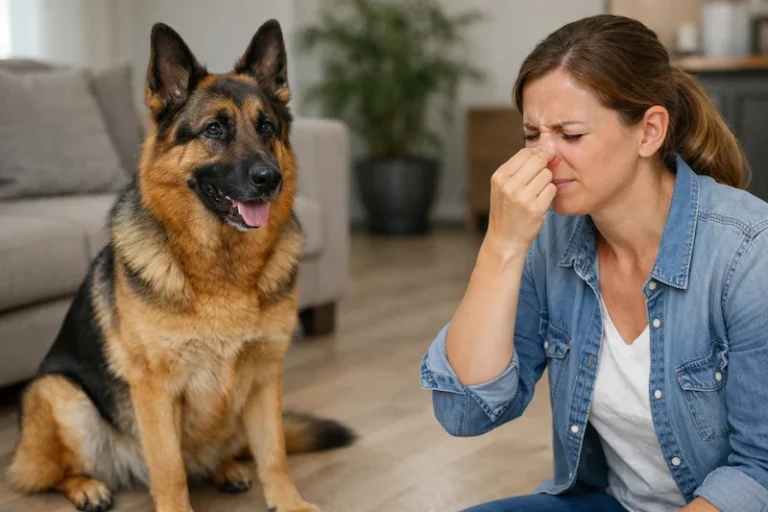
You should start paying attention when appetite loss comes with other warning signs. Low energy, unusual hiding behavior, vomiting, diarrhea, or visible weight loss often indicate that the issue is more serious than a simple appetite change. These signs usually mean the body is under stress and needs attention.
Dogs often hide discomfort well, which is why appetite loss is usually one of the earliest warning signs owners notice.
Timeline for Action
| Time Without Food | What to Do |
| 24 hours | Monitor closely |
| 48 hours | Start concern, try solutions |
| 72 hours | Contact a vet immediately |
This timeline helps you act before things get worse.
How to Get Your German Shepherd to Eat Again?
Simple Home Solutions
Sometimes small changes make a big difference.
Simple changes like slightly warming the food, adding low-sodium broth, or offering wet food can quickly improve appetite.
Dogs rely heavily on smell, so improving aroma can quickly restore interest.
Improve Feeding Routine
A consistent feeding routine can make a big difference in your dog’s eating habits. Feeding at the same time every day, providing a quiet and stress-free space, and removing uneaten food after 15 to 20 minutes helps build a clear routine. Over time, this consistency reduces picky behavior and improves appetite naturally.
Try Different Food Options
- Mix dry and wet food
- Use high-value foods occasionally
- Introduce changes gradually
Frequent sudden changes can actually make the problem worse.
Importance of Hydration vs Food
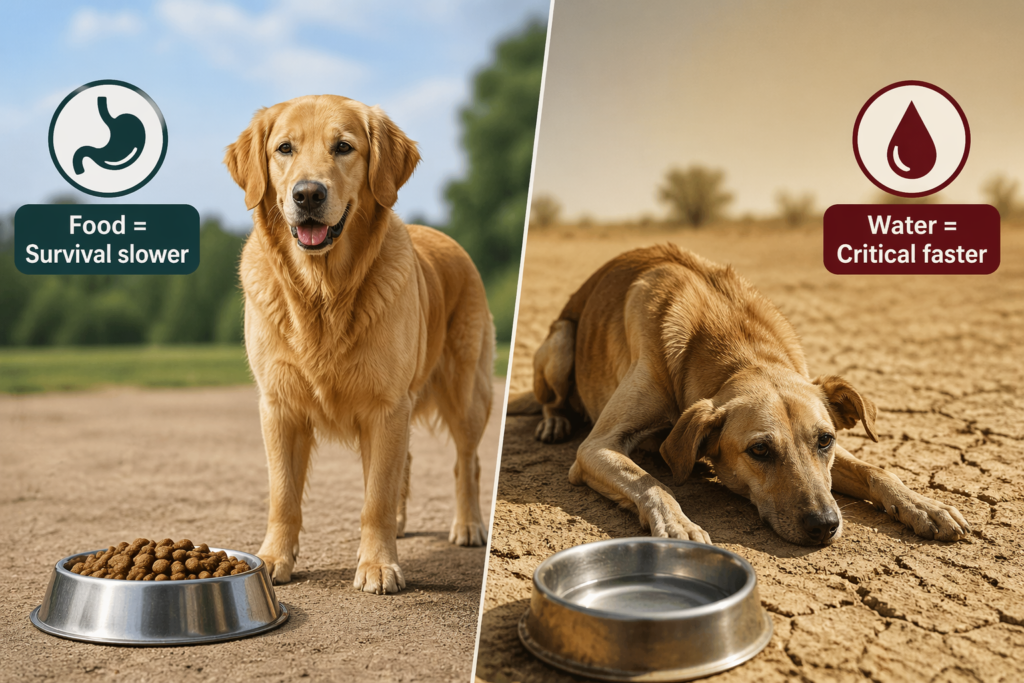
How Long Without Water?
Dogs can survive longer without food than without water. The difference between food and water survival is critical to understand:
| Condition | Time Limit |
| Without Food | 2 to 3 days (approx) |
| Without Water | 24 hours or less |
Water is critical; never ignore it.
Signs of Dehydration
- Dry gums
- Sunken eyes
- Low energy
If you see these signs, act fast.
Can Fasting Ever Be Normal for Dogs?
Yes, but only in mild and short situations.
- Skipping one meal occasionally
- Minor stomach discomfort
- Weather-related appetite changes
However, normal fasting does not last long. If it continues, there is usually an underlying cause.
How long can a German Shepherd go without food but with water?
With water, a healthy dog may last 2 to 3 days, but this is not safe. The body starts weakening, so early action is always better.
Is it normal for a German Shepherd to skip meals?
Yes, it can be normal for a German Shepherd to skip a meal occasionally. This may happen due to stress, minor stomach discomfort, or small routine changes. However, if skipping meals becomes frequent or continues for more than a day, it should not be ignored, as it may signal an underlying issue.
What should I do if my dog has not eaten for 2 days?
If your dog has not eaten for 48 hours, it is important to take action. You can try offering soft or slightly warm food to improve smell and interest, while also checking for any visible symptoms. Monitor your dog closely during this time, and if there is no improvement, consulting a vet is the safest step.
Can a dog survive 3 days without eating?
Yes, survival is possible, but the body weakens quickly, and risks increase significantly after this point. After 72 hours, health complications can start, especially in weaker dogs.
Why is my German Shepherd not eating but acting normal?
This usually points to smaller issues like stress, food boredom, or routine changes. However, if it continues, it should not be ignored.
Still, do not ignore it if it continues.
When should I take my dog to the vet for not eating?
You should consider visiting a vet if your dog has not eaten for 48 to 72 hours or sooner if other symptoms appear. Puppies, senior dogs, and sick dogs require faster attention because they are more vulnerable. Early veterinary care can prevent minor issues from turning into serious health problems.
Expert Tips to Prevent Appetite Loss
- Keep feeding times consistent
- Avoid frequent food changes
- Schedule regular vet checkups
- Always provide clean, fresh water
These simple habits can prevent most appetite-related issues.
FAQ’s
Can a German Shepherd go 2 days without eating?
Yes, a healthy adult can manage 48 hours, but it should not be ignored if it continues.
Should I worry if my German Shepherd skips one meal?
No, skipping one meal is usually normal and often linked to minor stress or routine changes.
What happens if a German Shepherd does not eat for 3 days?
After 72 hours, the body weakens, and the risk of serious health issues increases significantly.
Why is my German Shepherd not eating but drinking water?
This may be due to stress, mild illness, or food preference, but it needs monitoring if it continues.
Is it safe for puppies to go without food for a day?
Yes, but puppies are more sensitive, so even short fasting periods should be monitored closely.
Conclusion
So, how long can a German Shepherd go without eating? In most cases, up to 72 hours, but waiting that long is not a good idea.
In real life, most problems start long before the 72-hour mark, which is why early signs should never be ignored. If your dog skips meals, observe, act early, and maintain a consistent routine. Most serious cases don’t happen suddenly; they build up when early warning signs are missed.