What Age Is a German Shepherd Fully Grown? (Size, Weight & Growth Timeline)
German Shepherds usually reach their full height between 15 and 18 months of age, but they are not fully grown yet. Most continue developing muscle, chest width, and mental maturity until they are about 2 to 3 years old. The exact timeline depends on genetics, nutrition, exercise, and overall health.
This guide explains the complete German Shepherd growth timeline, including size and weight charts, the differences between males and females, factors that affect growth, and signs that your dog has reached full maturity.
German Shepherd Growth Stages Explained:
German Shepherds are a large working breed. They grow quickly but do not fully mature until around 2 to 3 years.
Each stage matters for bone health, behavior, and training.
Neonatal Stage (0 to 2 Weeks)
Newborn puppies are fully dependent on their mother.
- Eyes and ears closed
- Cannot regulate body temperature
- Birth weight around 1 lb
- Weight doubles by day 10
Breeders should keep puppies warm (85 to 90°F) and ensure proper nursing. Early gentle handling helps puppies adjust to human scent and touch.
Transitional & Socialization Stage (2 to 12 Weeks)
At around 2 weeks:
- Eyes open
- Puppies begin walking
- Hearing develops
By 8 weeks:
- Weight: 7 to 16 lbs
- Height: 6 to 8 inches
This is the most important socialization window. Puppies learn confidence, bite control, and human interaction.
Introduce:
- Household sounds
- Gentle handling
- Basic crate training
Vaccinations begin at this stage in accordance with veterinary schedules.
Juvenile Stage (3 to 6 Months)
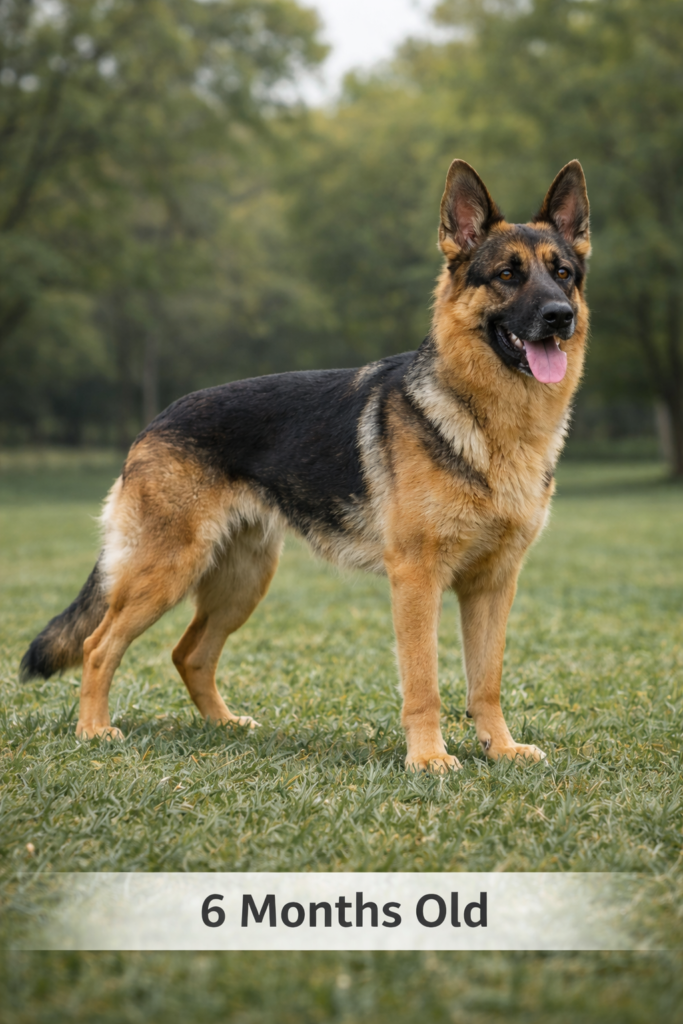
This is the fastest growth period.
Typical size:
- 3 months: 22 to 30 lbs (males)
- 6 months:
- Males: 49 to 57 lbs
- Females: 44 to 49 lbs
Teething peaks and energy levels explode. Joints are still forming, so avoid long runs or jumping.
This is the best time to start:
- Obedience training
- Leash walking
- Structured play
Many owners ask:
How big is a 6-month-old German Shepherd?
Most are about half their adult weight at this age.
Adolescent Stage (6 to 18 Months)
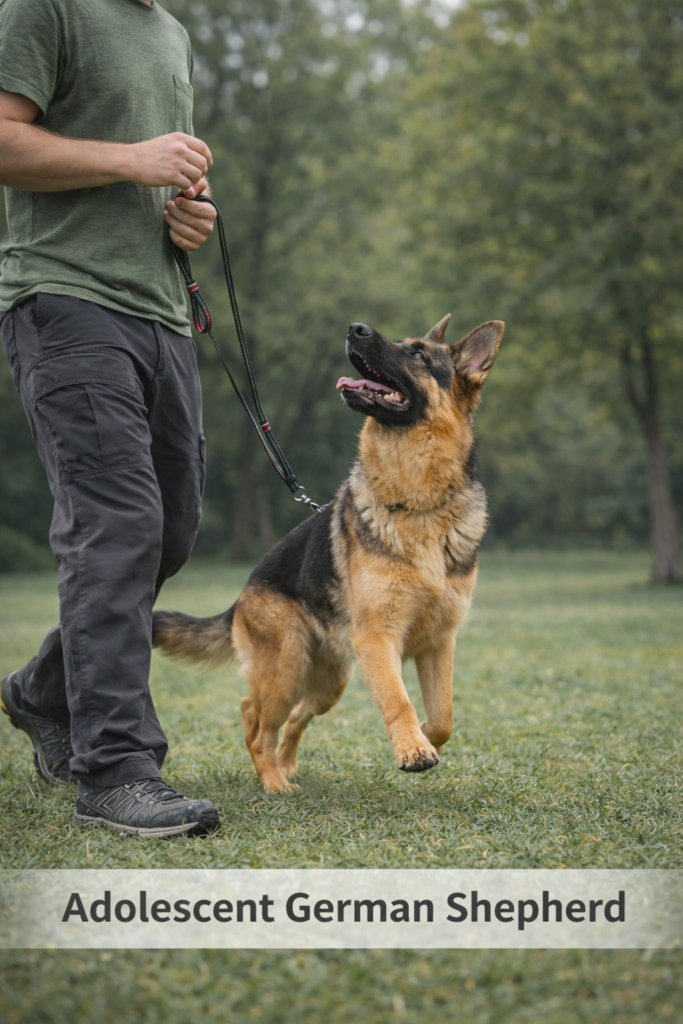
This stage feels like raising a teenage dog.
Changes include:
- First heat cycle in females (6 to 9 months)
- Hormone changes
- Testing boundaries
- Rapid muscle growth
Height growth slows by 15 to 18 months, but dogs still fill out.
Many owners wonder:
Do German Shepherds keep growing after 1 year?
Yes. They gain muscle and chest width until about 2 years.
Training consistency is critical here.
Young Adult Stage (18 to 36 Months)
This is when German Shepherds finally reach full maturity.
By:
- 18 months: Most height reached
- 24 months: Full skeletal maturity
- 36 months: Mental maturity (especially males)
They develop:
- Broader chest
- Fuller coat
- More focus
- Calmer behavior
Working-line dogs may stay high-energy longer.
German Shepherd Growth Chart (Male & Female)
Tracking your dog’s size helps detect growth issues early.
Male German Shepherd Growth Chart:
| Age | Height | Weight |
| 1 month | 4 to 6 in | 5 to 9 lbs |
| 3 months | 9 to 11 in | 22 to 30 lbs |
| 6 months | 16 to 18 in | 49 to 57 lbs |
| 12 months | 23 to 25 in | 71 to 79 lbs |
| 18 months | 24 to 26 in | 75 to 85 lbs |
| 2 to 3 years | 24 to 26 in | 75 to 90 lbs |
Female German Shepherd Growth Chart:
| Age | Height | Weight |
| 1 month | 4 to 6 in | 4 to 8 lbs |
| 3 months | 8 to 10 in | 17 to 26 lbs |
| 6 months | 15 to 17 in | 44 to 49 lbs |
| 12 months | 21 to 23 in | 60 to 64 lbs |
| 18 months | 22 to 24 in | 60 to 70 lbs |
| 2 to 3 years | 22 to 24 in | 55 to 70 lbs |
Males are usually:
- 2 inches taller
- 10 to 20 lbs heavier
When Do German Shepherds Stop Growing?
Height growth stops: around 15 to 18 months
Full body growth: 18 to 24 months
Mental maturity: up to 3 years
Your dog may look tall at 12 months, but still appear lanky. Over the next year, muscle fills in, and the chest broadens.
According to the German Shepherd breed size and maturity standards published by the American Kennel Club, most German Shepherds reach full height by 18 months, while muscle development and overall maturity continue into adulthood.
Keep in mind that growth plates may close at slightly different ages in individual dogs. Even after reaching their adult height, many German Shepherds continue to gain muscle and improve body condition for several more months.
Is my German Shepherd still growing at 2 years?
Most likely yes in muscle and body thickness.
Factors That Affect Growth:
Not all German Shepherds grow the same. Several factors influence final size.
Also Read: What Is Good Dog Food For German Shepherds?
1. Genetics:
Working lines tend to be leaner and more athletic. Show lines are often heavier and bulkier.
2. Nutrition:
Puppies need balanced growth food:
- 26 to 30% protein
- Controlled calcium
- Omega-3 fats
Overfeeding can cause joint stress.
Also Read: How Many Calories Does a German Shepherd Need
3. Exercise:
Too much impact exercise before 18 months can damage joints.
Avoid:
- Long runs
- Stair workouts
- Jump training
4. Spay/Neuter Timing:
Recent studies suggest waiting until after 12 months. Early neutering may increase the risk of joint disorders in large breeds.
Many vets recommend:
- Females: after first heat
- Males: 12 to 18 months
- Sleep and Recovery
Growing puppies need plenty of rest. During sleep, the body releases growth hormones that support healthy bone and muscle development. Puppies that are constantly over-exercised or do not get enough rest may not recover as efficiently as those with a balanced routine.
Also Read: When To Neuter a German Shepherd?
Male vs Female German Shepherd Size Differences:
Males:
- Larger
- Heavier
- Slower mental maturity
Females:
- Slightly smaller
- Mature faster mentally
- Often easier to train early
Both reach full size by around ages 2 to 3.
Signs Your German Shepherd Is Fully Grown:
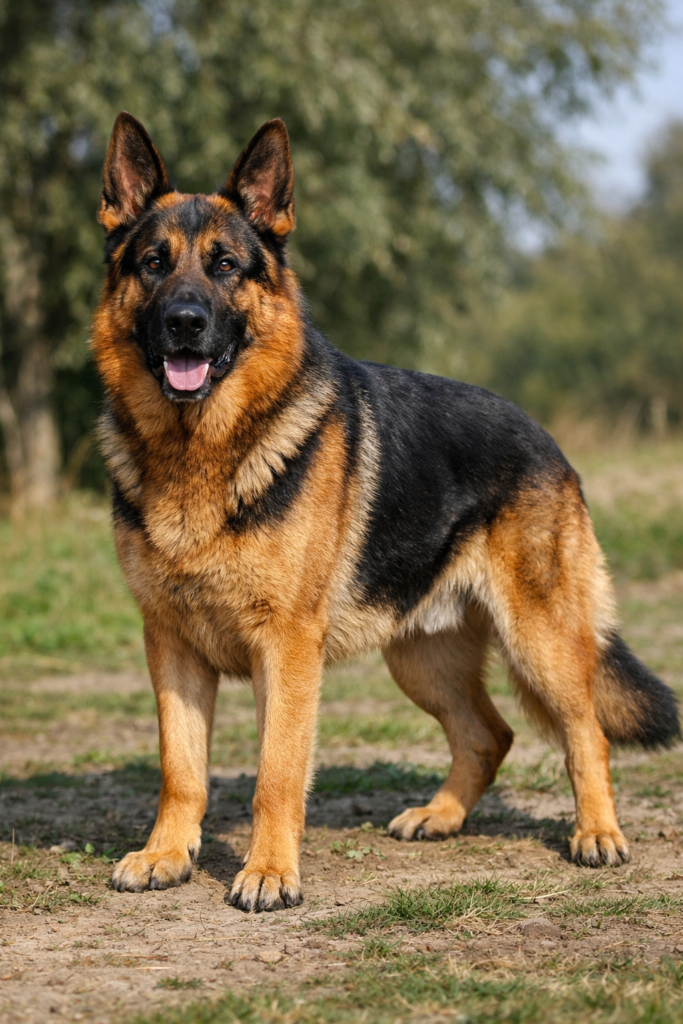
Your dog is likely fully grown when:
- Weight stabilizes
- No height increase for months
- The chest becomes broader
- Behavior becomes calmer
- Growth plates close (vet X-ray)
Remember that reaching adult size does not always mean your dog has reached emotional maturity. Many German Shepherds, especially males, continue to become calmer and more focused throughout their second and even third year.
Most females mature mentally by 2 years.
Males often mature closer to 3 years.
Common Growth Mistakes Owners Make:
Overfeeding:
Too much food causes rapid growth and joint stress.
Too much exercise:
Running long distances too young age harms the hips.
Early neutering:
Can affect bone development.
Ignoring weight changes:
Sudden weight loss or gain needs vet attention.
Also Read: How Much Exercise Does a German Shepherd Need?
Expert Tips for Healthy Growth:
- Weigh your puppy weekly
- Visit the vet at 6, 12, and 18 months
- Use large-breed puppy food
- Add omega-3 for joints
- Train mentally, not just physically
Rule of thumb:
5 minutes of exercise per month of age (twice daily)
This is only a general guideline and may not suit every puppy. Working-line German Shepherds and dogs with specific health conditions may require a different exercise routine based on your veterinarian’s advice.
How Long Do German Shepherds Live?
Average lifespan: 9 to 13 years
Healthy growth and weight control can add years to their life.
Also Read: Are German Shepherds Prone To Cancer?
FAQs:
What age is a German Shepherd fully grown?
Most reach full physical size by 18 to 24 months and full maturity by 2 to 3 years.
How big is a full-grown German Shepherd?
Males: 24 to 26 inches, 75 to 90 lbs
Females: 22 to 24 inches, 55 to 70 lbs
When do German Shepherds stop growing in height?
Usually between 15 and 18 months.
Do male German Shepherds grow bigger than females?
Yes. Males are typically larger and heavier.
Is a 2 year old German Shepherd still growing?
They may still gain muscle and body mass until approximately age 3.
Conclusion:
A German Shepherd is fully grown in height by about 15 to 18 months, but full size and maturity take 2 to 3 years. Understanding when a German Shepherd is fully grown helps owners manage diet, exercise, and training appropriately, ensuring strong joints, a healthy weight, and a well-balanced adult dog. Rather than focusing only on your dog’s age, monitor their body condition, weight, energy level, and overall health. Regular veterinary checkups and proper nutrition will help ensure your German Shepherd reaches adulthood safely and develops into a healthy, well-balanced companion.