Is A German Shepherd A Dangerous Dog? (Find Truth 2026)
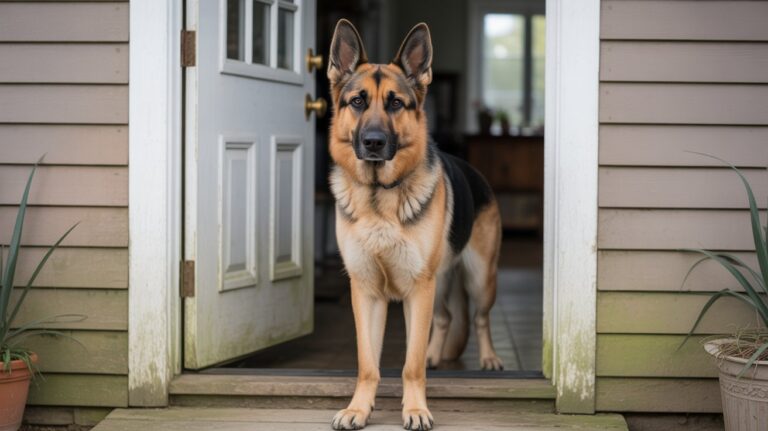
A German Shepherd is not naturally dangerous. However, because of their size, strength, and protective instincts, they require proper training and socialisation. When raised correctly, they are loyal, intelligent, and dependable family dogs. Problems usually arise not from the breed itself, but from poor handling, lack of structure, or neglect of their mental needs.
In this article, we will explore the truth behind the German Shepherd’s reputation and help you understand how to raise a well-behaved, safe companion.
What Is a German Shepherd’s True Temperament?
A German Shepherd’s temperament is shaped by confidence, intelligence, loyalty, and awareness of their surroundings. They are alert dogs that naturally observe people and situations before reacting. This makes them excellent working dogs, but it also means they need guidance.
When trained and socialised early, they are calm, affectionate, and deeply bonded with their family. Without structure, their alert nature can turn into anxiety or overprotectiveness.
According to breed standards recognised by the American Kennel Club, German Shepherds are known for their confidence, intelligence, and steady temperament when properly trained and socialised.
How Did Working Origins Shape German Shepherd Behaviour?
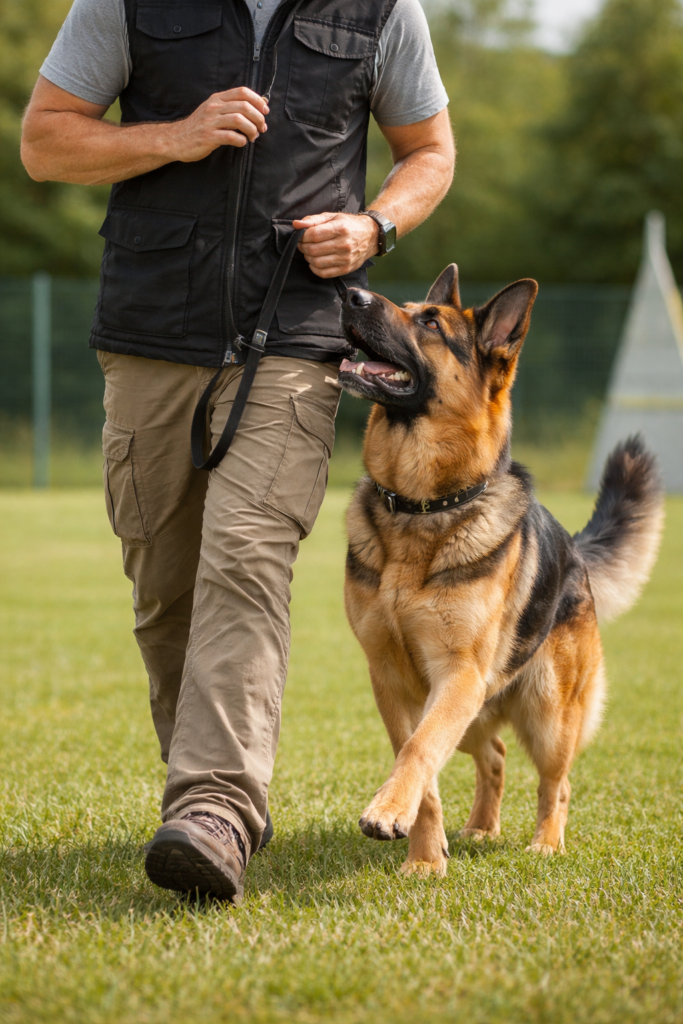
German Shepherds were originally bred for herding and protection, which required focus, independence, and decision-making. These traits still influence their behaviour today.
- Problem-solving ability: They assess situations instead of reacting blindly.
- Strong work drive: They need purpose, not just physical exercise.
- Handler loyalty: They form strong bonds with those who lead them clearly.
This background explains why they excel in police, military, and service roles.
Also Read: When Is German Shepherd Day?
Are German Shepherds Easy to Train or Stubborn?
German Shepherds are among the easiest breeds to train, but intelligence does not mean automatic obedience. When training lacks consistency, they may question commands rather than blindly follow them.
- They learn quickly but remember mistakes just as fast.
- Inconsistent rules create confusion, not stubbornness.
- Mental stimulation is as important as physical activity.
Clear leadership prevents behavioural resistance.
Also Read: How Many Calories Does A German Shepherd Need?
Do Protective Instincts Make German Shepherds Aggressive?
Protective instincts do not equal aggression. German Shepherds are naturally watchful, not hostile. Aggression usually develops when fear, poor socialisation, or unclear boundaries are present.
Managing protectiveness requires:
- Early exposure to different environments
- Teaching calm responses, not suppression
- Rewarding controlled behaviour
Well-trained German Shepherds know when to stay calm and when to alert.
Also Read: Are Male Or Female German Shepherds More Protective?
Why Are German Shepherds Seen as Dangerous Dogs?
Their reputation comes from appearance, strength, and visibility in security roles. People often confuse controlled protection with aggression.
Common reasons for this image include:
- Media focus on isolated incidents
- Ownership by inexperienced handlers
- Lack of understanding of working breeds
The breed itself is not the issue; management is
Do Media Reports Misrepresent German Shepherd Bite Data?
Yes, often. Large working breeds receive more attention in bite reports, even when data does not show they bite more frequently than other large dogs.
- Bite statistics rarely include context
- Sensational reporting influences fear
- Training level is usually ignored
Any dog can bite if stressed, frightened, or mishandled.
Are German Shepherds Safe for Family Homes?
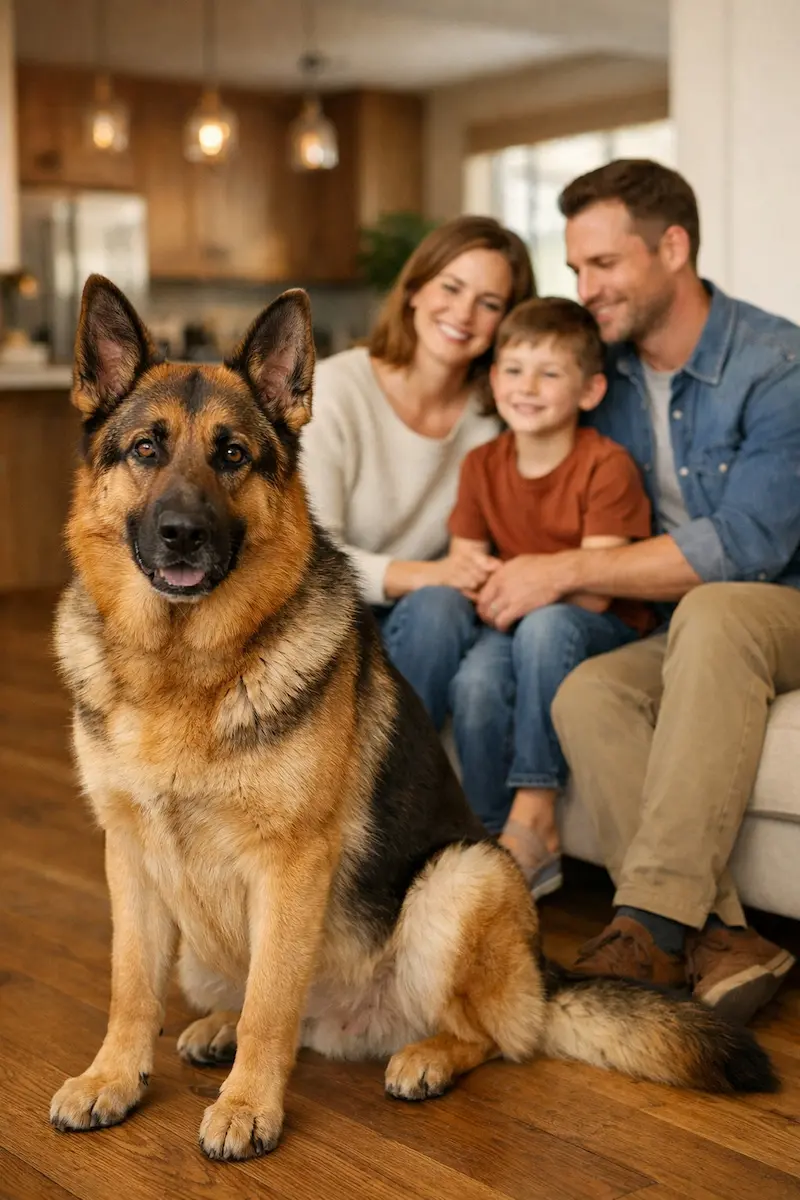
German Shepherds can be excellent family dogs when their needs are met. They thrive in homes where rules are clear, and interaction is structured.
To ensure safety:
- Teach children respectful behaviour
- Maintain daily exercise and training
- Avoid encouraging aggressive guarding
A stable environment creates a stable dog.
How Do German Shepherds Behave With Children?

When raised properly, German Shepherds are patient and protective with children. They often form strong bonds and enjoy being involved in family life.
However:
- Supervision is essential with young children
- Rough play should be discouraged
- Calm behaviour should be reinforced
Their size requires responsibility, not fear.
Why Is Early Socialization Important for German Shepherds?
Early socialisation shapes how a German Shepherd interprets the world. Dogs exposed to different people, animals, and environments early are less likely to develop fear-based reactions.
Benefits include:
- Better emotional control
- Reduced territorial behaviour
- Improved adaptability
Socialisation is prevention, not correction.
Also Read: When To Neuter a German Shepherd?
How Can Aggression Be Prevented in German Shepherds?
Aggression prevention is based on clarity, not force.
Effective prevention includes:
- Structured routines
- Positive reinforcement
- Consistent boundaries
Punishment increases fear; structure builds trust.
What Training Methods Work Best for German Shepherds?
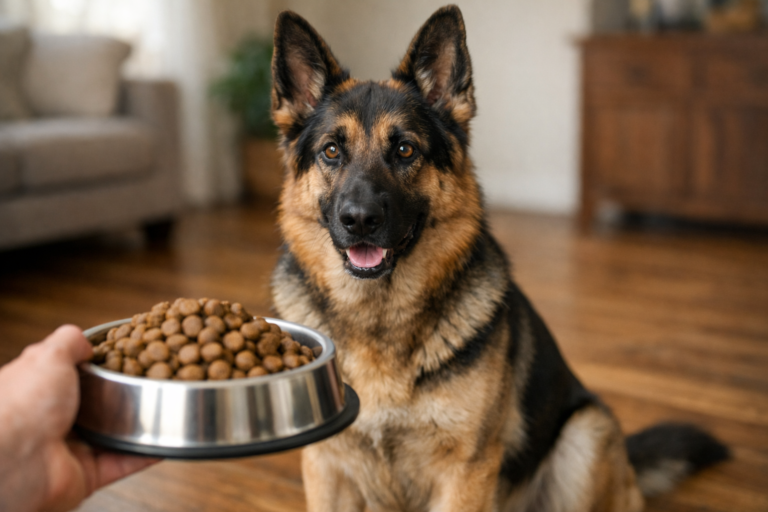
German Shepherds respond best to reward-based and engagement-focused training.
Effective methods include:
- Marker or clicker training
- Obedience classes with clear leadership
- Mental challenges like scent work or problem tasks
Training should challenge the mind, not just control the body.
How Much Exercise Do German Shepherds Need Daily?
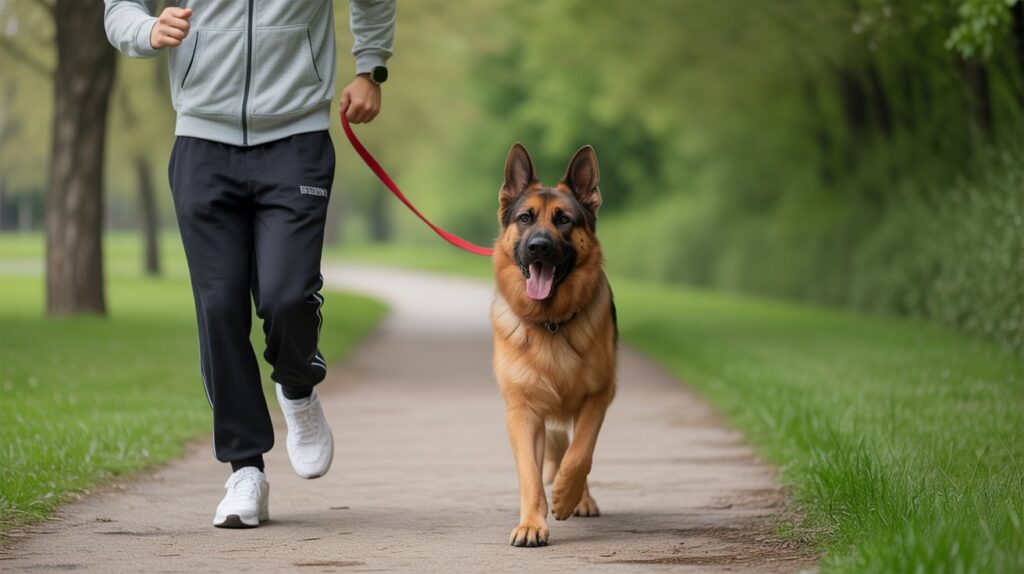
German Shepherds are active dogs that need plenty of exercise to stay healthy and happy. On average, they need:
- 1 to 2 Hours of Exercise: They require daily exercise to burn off energy.
- Variety: A mix of walking, running, and mental challenges (like agility training or puzzle toys) keeps them physically and mentally fit.
- High Energy: Without enough exercise, they may become restless, leading to undesirable behaviour.
FAQ’s:
Are German Shepherds inherently dangerous?
No, German Shepherds are not inherently dangerous. With proper training, they can be gentle and loyal companions.
Can poor training lead to aggression in German Shepherds?
Yes, poor training can lead to aggression, as it may cause fear or confusion in the dog.
Are German Shepherds good family pets?
Yes, German Shepherds can make excellent family pets when properly trained and socialised.
What is the best way to train a German Shepherd?
The best method is positive reinforcement, including rewards and praise, to encourage good behaviour.
Do German Shepherds need a lot of exercise?
Yes, German Shepherds are active dogs that require at least 1 to 2 hours of exercise daily to stay happy and healthy.
Conclusion:
German Shepherds are not dangerous by nature. They are intelligent working dogs that require structure, leadership, and purpose. When raised responsibly, they become loyal, stable, and safe companions. Problems arise not from the breed, but from misunderstanding its needs.