When To Switch German Shepherd To Adult Food? (Learn More)
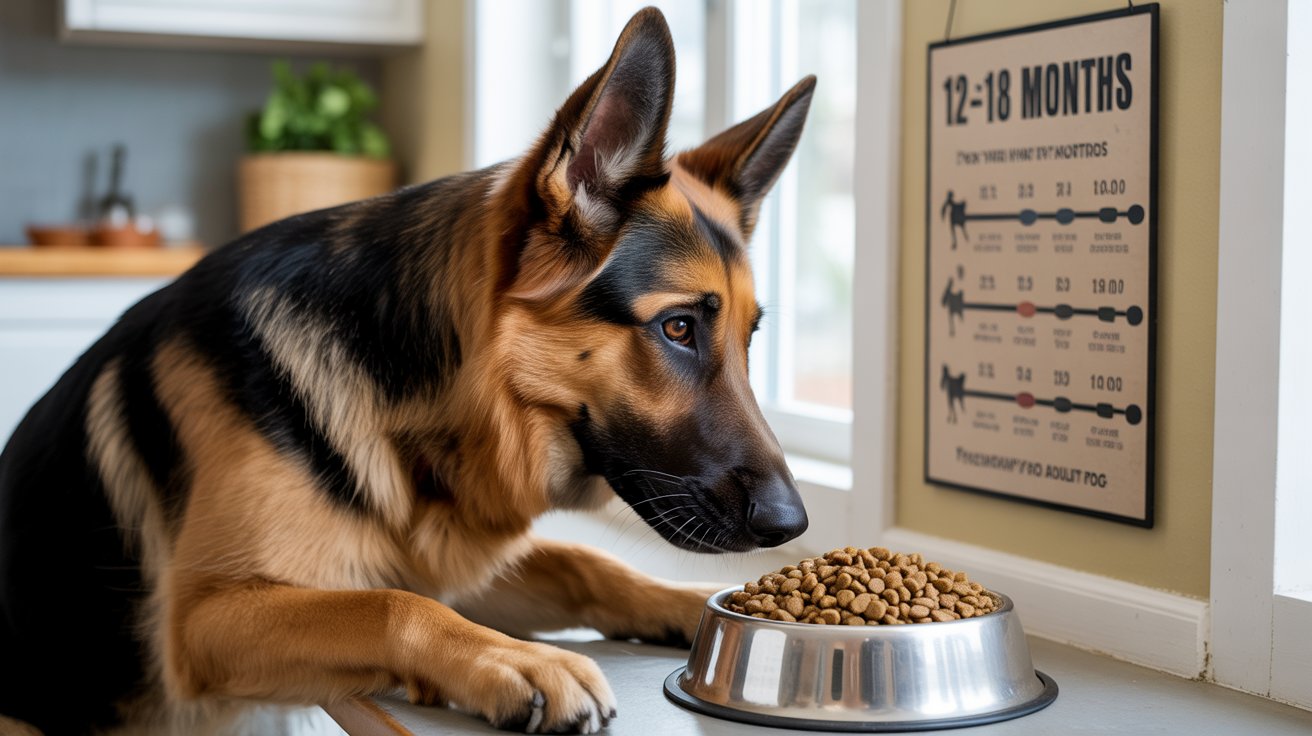
Most German Shepherds should switch to adult food between 12 and 18 months of age. Large-breed formulas support slower growth. Switch when your dog reaches full size, energy stabilizes, and your vet confirms healthy development, free of digestive issues or obesity.
This guide explains the correct timing, warning signs, and feeding mistakes that affect long-term joint health in German Shepherds.
What is the ideal age to switch a German Shepherd to adult food?
For most German Shepherds, the ideal time to switch is between 12 and 18 months, with many dogs ready around 15 to 16 months.
German Shepherds are a large breed, and their bones and joints mature more slowly than those of smaller dogs. Feeding adult food before growth slows can reduce the nutrients needed for proper development. Waiting until growth stabilizes helps protect joints and supports a strong adult frame.
Why do German Shepherds need puppy food longer than other breeds?
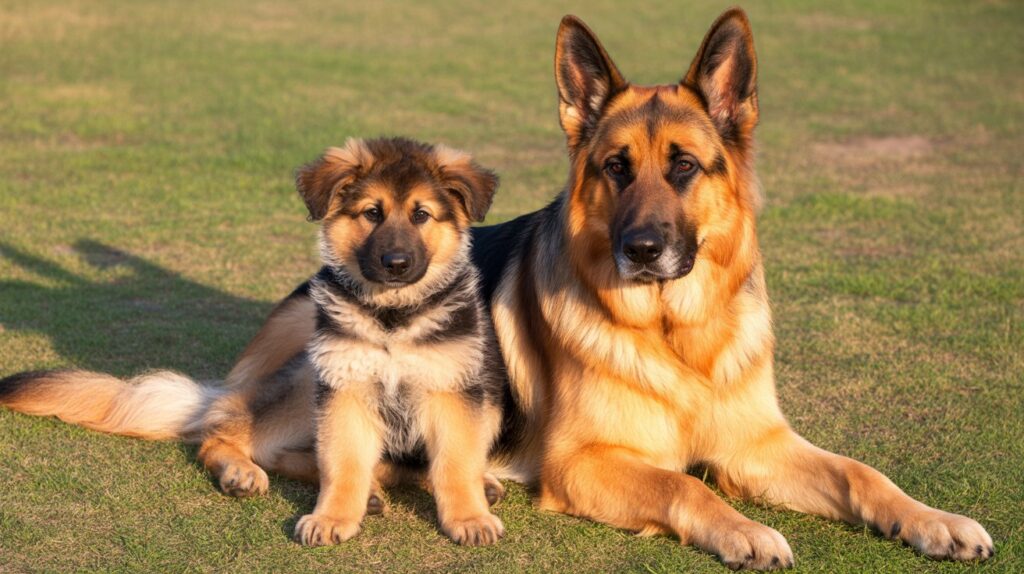
Large-breed German Shepherds grow differently from small or medium dogs. Their size puts more stress on developing joints, which is why nutrition during growth is critical.
Large-breed puppy food is designed to:
- Control growth speed
- Support joint and bone strength
- Balance calcium and phosphorus
- Fuel muscle and brain development
Rapid growth increases joint stress. Most orthopedic problems in German Shepherds are linked to feeding mistakes during puppyhood, not solely to genetics.
Also Read: How Common Is Bloat In German Shepherds?
When do German Shepherds stop growing?
German Shepherds do not develop fully at once.
Growth phases:
- Height growth usually stops around 12 to 14 months
- Muscle and joint development continue until 18 to 24 months
Even if a dog looks fully grown, internal development may still be ongoing. This is why switching food choices solely based on appearance can be misleading.
Also Read: What Age Do German Shepherd Ears Stand Up
Is age or physical development more important when switching food?
Physical development is more important than age.
Two German Shepherds of the same age can mature at different speeds. Vets recommend switching food when growth slows, not when a calendar milestone is reached.
Key signs to assess:
- Balanced body shape
- Stable energy levels
- Visible muscle definition
- No joint stiffness or discomfort
What is the difference between puppy food and adult dog food?
Puppy food and adult food serve different purposes.
| Feature | Puppy Food | Adult Food |
| Calories | Higher | Moderate |
| Protein | Growth-focused | Maintenance |
| Calcium | Controlled | Lower |
| Fat | Higher | Reduced |
Adult food fed too early may weaken development. Puppy food fed for too long can cause weight gain and joint pressure.
Can switching food too early increase the risk of hip dysplasia?
Switching food too early does not directly cause hip dysplasia, but it can increase the risk.
Poor nutrition during growth may:
- Reduce joint support
- Causes uneven bone development
- Increase joint stress
Hip dysplasia is genetic, but proper nutrition plays a major role in determining its severity.
Also Read: What Size Dog Crate For German Shepherd?
What happens if a German Shepherd stays on puppy food too long?
Remaining on puppy food after growth slows can lead to:
- Excess weight
- Increased pressure on the hips and elbows
- Reduced stamina
Large male German Shepherds may benefit from staying on puppy food for a bit longer, but most dogs should transition by the late growth phase.
How do you transition a German Shepherd to adult food safely?
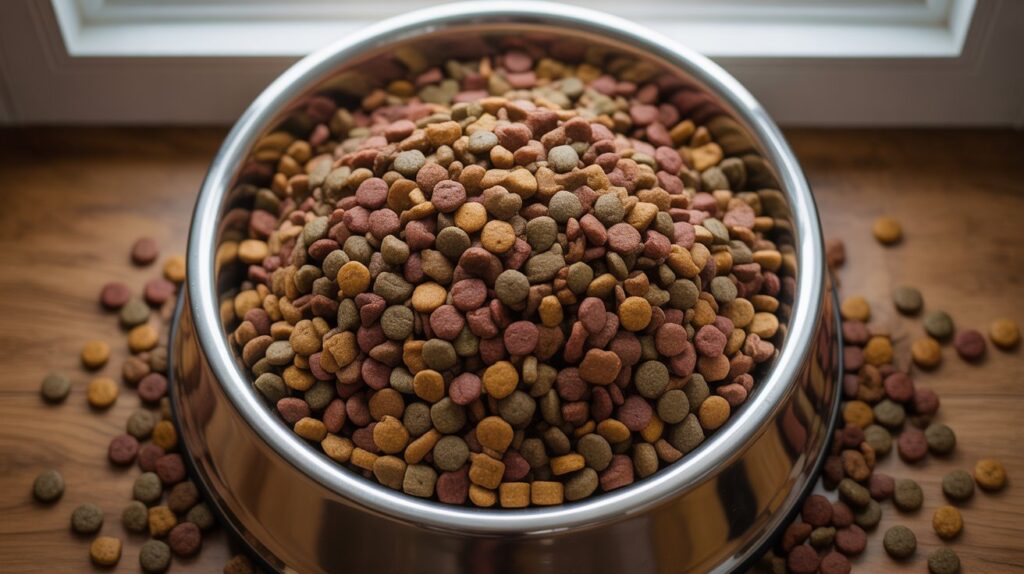
A slow transition protects digestion.
7-day transition plan:
| Day | Puppy Food | Adult Food |
| 1 to 2 | 75% | 25% |
| 3 to 4 | 50% | 50% |
| 5 to 6 | 25% | 75% |
| 7 | 0% | 100% |
Never rush the switch, even if your dog seems fine.
Also Read: How Many Calories Does A German Shepherd Need?
Large-breed puppies like German Shepherds require controlled growth and balanced nutrients, as explained in the large breed puppy nutrition guide by the American Kennel Club.
How can diarrhoea be prevented during a food change?
Digestive upset happens when food changes too fast.
To reduce risk:
- Transition slowly
- Avoid new treats
- Keep feeding times consistent
- Ensure constant access to fresh water
If loose stools persist for more than 3 days, slow the transition.
What are the signs a German Shepherd is ready for adult food?
Your dog may be ready if:
- Height growth has stopped
- Body looks filled out, not skinny
- Puppy energy has reduced
- A vet confirms healthy joint development
Most dogs reach this stage during late growth, not early puppyhood.
What is a body condition score, and why does it matter?
Body Condition Score (BCS) measures fat level, not weight.
| Score | Meaning |
| 1 to 3 | Underweight |
| 4 to 5 | Ideal |
| 6 to 9 | Overweight |
German Shepherds should stay at BCS 4 to 5.
If ribs are visible, delay switching. If ribs are hidden under fat, a controlled transition may be needed.
Is all life stages dog food safe for German Shepherds?
Not always.
All life stages’ food may be:
- Too rich for puppies
- Too weak for large-breed growth
Large-breed puppy food approved for growth is safer during development.
Common feeding mistakes German Shepherd owners make
- Switching food too early
- Feeding adult food at 10–12 months
- Ignoring body condition
- Overfeeding treats
- Avoiding large-breed formulas
Nutrition mistakes during the first 18 months can affect joint health for life.
Can a German Shepherd eat adult food at 12 months?
In most cases, no.
At this stage, bones and joints are still maturing. Only slow-growing dogs should switch early, and only with veterinary guidance.
Is 18 months too late to switch to adult food?
No.
Many vets prefer switching between 16 and 18 months, especially for large males. Strong joints matter more than fast growth.
FAQ’s:
Can I mix puppy and adult food long-term?
Only during transition. Long-term mixing can unbalance nutrition.
Do working German Shepherds need puppy food longer?
Often, yes, due to higher joint stress.
Is grain-free adult food safe after switching?
Only if approved for large breeds and recommended by a vet.
How do I know if adult food is not suitable for my dog?
Watch for weight gain, low energy, or digestive issues.
Should neutered dogs switch earlier?
Not necessarily. Body condition matters more than neuter status.
Conclusion:
Knowing When To Switch German Shepherd To Adult Food is not about age alone. Growth speed, joint development, body condition, and nutrition quality all play a role. Switching at the right time supports strong bones, a healthy weight, and long-term mobility. Careful feeding decisions during growth help prevent joint problems later in life.