When To Neuter a German Shepherd? (Vet-Backed Guide 2026)
The best time to neuter a German Shepherd is between 12 and 18 months of age, after most bone and joint growth is complete. Large breeds like the German Shepherd mature slowly, and early neutering (before 9 to 12 months) may increase the risk of joint and orthopedic problems. Waiting until physical maturity helps protect mobility while still offering health and behavior benefits.
Neutering is an important decision for every German Shepherd owner. Timing matters more for large breeds than small dogs because hormones play a major role in bone growth, muscle development, and joint stability.
This complete veterinary-backed guide explains:
- The ideal neutering age
- Risks of early neutering
- Male vs female differences
- Growth impact
- Behavioral changes
- Recovery timeline
- Frequently asked questions
Let’s explore everything you need to know.
Why Neutering Age Matters in German Shepherds?
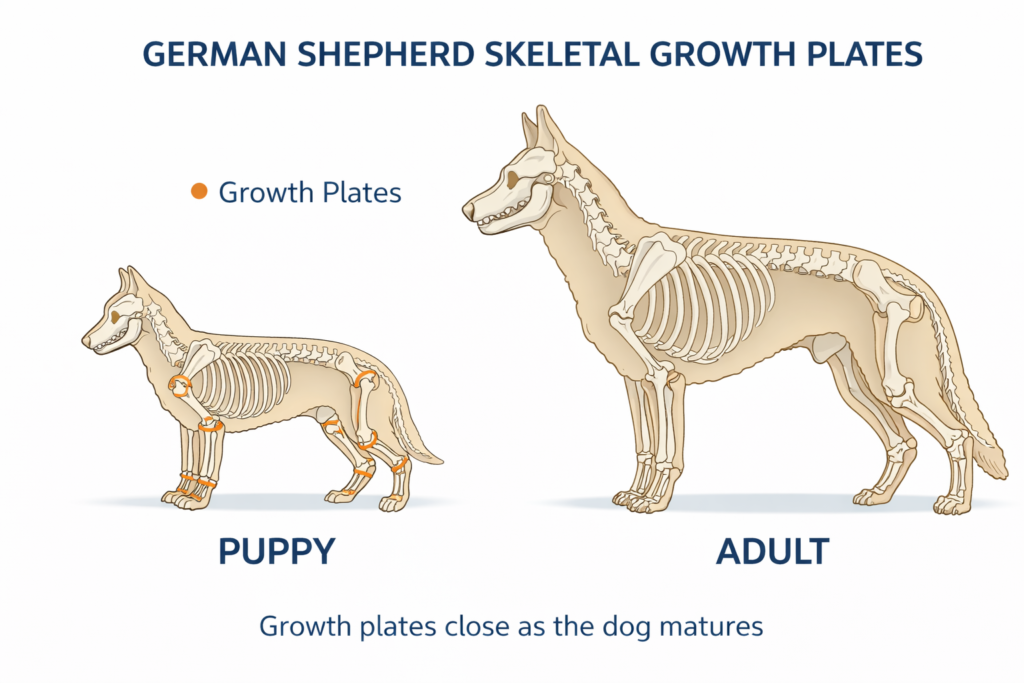
German Shepherds are a large and powerful working breed. Their bones, joints, and muscles continue developing longer than those of small dogs.
Growth plates in large breeds usually close between 12 and 18 months. Reproductive hormones like testosterone and estrogen influence these plates.
If neutering happens too early:
- Growth plates may close late
- Limbs may grow longer than normal
- Joint stress increases
- Hip and elbow problems may develop
That is why most modern veterinarians recommend delayed neutering for large breeds.
Best Age to Neuter a German Shepherd (Male vs Female)
Most vets agree the safest window is:
- 12 to 18 months of age
- After most skeletal growth is complete
- Before unwanted breeding becomes a risk
Below is a clear comparison table:
Male vs Female Neutering Guide:
| Category | Male German Shepherd | Female German Shepherd |
| Ideal Age | 12 to 18 months | After first heat (12 to 18 months) |
| Early Neutering Risk | Higher joint problems | Higher joint problems |
| Main Health Benefit | Reduces testicular cancer risk | Prevents uterine infections |
| Behavioral Benefit | Reduces roaming & marking | Stops heat cycles |
| Risk If Delayed | Strong mating behaviors | Risk of pyometra if not monitored |
| Recommended? | Yes, after 12 months | Yes, after first heat |
Both males and females benefit from delayed neutering when health and growth are priorities.
When to Neuter a Male German Shepherd:
For male German Shepherds:
- Under 9 months: Not recommended
- 12 to 18 months: Best timing
- Over 2 years: Still safe, but fewer joint benefits
Veterinary Reasoning:
Testosterone supports:
- Muscle growth
- Bone density
- Joint stability
Removing hormones too early may increase the risk of:
- Hip dysplasia
- Elbow dysplasia
- Cranial cruciate ligament injuries
Waiting supports proper physical development.
When to Spay a Female German Shepherd:
Female German Shepherds are typically spayed:
- After the first heat cycle
- Between 12 and 18 months
Why Waiting Helps:
Estrogen plays a role in:
- Growth plate closure
- Bone strength
- Joint alignment
Spaying too early may increase orthopedic risk.
However, spaying also reduces the risk of:
- Pyometra (uterine infection)
- Mammary tumors (risk varies depending on timing)
Discuss timing carefully with your veterinarian.
Is Early Neutering Harmful for German Shepherds?
Research and clinical experience suggest that early neutering (before 6 to 9 months) can increase orthopedic risks in large breeds.
Possible Health Risks:
- Hip dysplasia
- Elbow dysplasia
- Delayed growth plate closure
- Longer limbs
- Weaker joint structure
Large dogs are more vulnerable because they grow rapidly and rely heavily on hormone signals.
Does Neutering Affect Growth?
Yes, timing affects growth significantly.
If Done Too Early:
- Bones grow longer than normal
- Joint angles change
- The risk of ligament injuries increases
- Muscle mass may reduce
If Done After Maturity:
- Balanced skeletal development
- Better muscle support
- Improved joint alignment
Benefits of Neutering a German Shepherd:
When done at the right age, neutering offers real advantages.
Health Benefits:
- Eliminates testicular cancer (males)
- Prevents uterine infections (females)
- Reduces risk of certain reproductive cancers
- Prevents accidental breeding
Behavioral Benefits:
- Reduces roaming behavior
- Lowers marking behavior
- May reduce dominance-related aggression
Important: Neutering does not change personality. A high-energy dog remains energetic.
Early Neutering and Joint Problems:
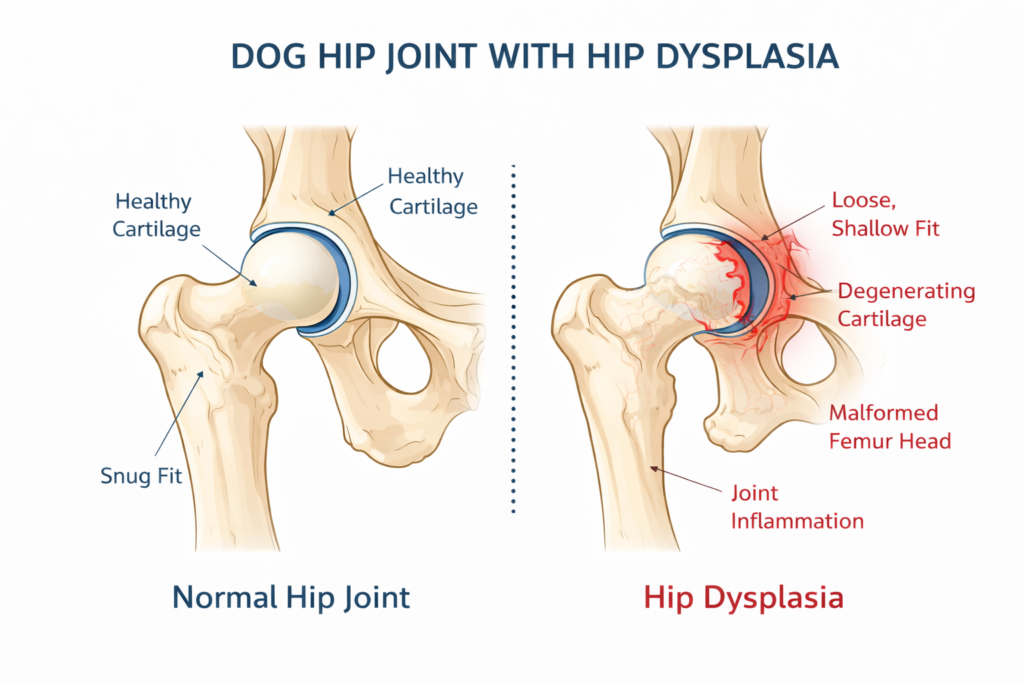
Several veterinary studies link early neutering with higher orthopedic disease in large breeds.
Why It Happens:
Hormones guide:
- Bone length
- Joint shape
- Ligament strength
When hormones are removed too early:
- Growth plates remain open longer
- Bones overextend
- Joint stress increases
German Shepherds already have a genetic risk for hip dysplasia. Early neutering may increase that risk.
Can You Delay Neutering Safely?
Yes, delaying neutering until 12 to 18 months is often recommended for:
- Stronger bones
- Better muscle development
- Lower orthopedic risk
However, responsible management is essential.
If you delay neutering:
- Prevent unwanted mating
- Manage heat cycles in females
- Monitor behavior carefully
What If You Never Neuter a German Shepherd?
A German Shepherd can live a healthy life without neutering if managed responsibly.
Considerations
- Risk of accidental breeding
- Strong mating instincts
- Possible increased risk of some cancers
- Heat cycles in females
Neutering is not mandatory, but it requires responsible ownership.
Veterinary-Backed Risks to Consider:
Even when done at the correct age, neutering is a surgery and carries small risks.
Surgical Risks:
- Reaction to anesthesia
- Minor bleeding
- Temporary swelling
- Infection (rare with proper care)
Long-Term Considerations:
- Weight gain if the diet is not adjusted
- Slight metabolism slowdown
- Possible coat texture change
Most risks are manageable with good veterinary care.
Recovery Timeline After Neutering:
Understanding recovery helps you prepare.
Day 1 to 2:
- Sleepy from anesthesia
- Mild swelling
- Limited movement recommended
Day 3 to 5:
- Energy gradually returns
- Monitor the incision site
- Prevent licking (use a cone collar)
Day 7 to 10:
- Most dogs feel normal
- Stitches may be removed (if non-dissolvable)
After 2 Weeks:
- Full activity is usually allowed
- Internal healing continues
Follow your vet’s instructions carefully.
Behavioral Changes After Neutering:
Neutering can improve certain behaviors but does not change temperament.
Common Changes:
- Less roaming
- Reduced marking
- Lower sexual aggression
However:
- Training still required
- Exercise still essential
- Personality remains the same
German Shepherds are intelligent working dogs. Mental stimulation is key regardless of neutering status.
Do Vets Recommend Delayed Neutering?
Yes, Many veterinarians now recommend delayed neutering for large breeds.
Reasons Include:
- Lower orthopedic disease risk
- Improved joint stability
- Healthier adult structure
- Better long-term mobility
Modern veterinary advice differs from older 6-month rule recommendations, especially for large breeds.
FAQ’s:
Is It Better to Neuter After One Year?
Yes, waiting until after one year allows better bone and joint development, reducing orthopedic risks.
Does Neutering Calm a German Shepherd?
It may reduce roaming, marking, and hormone-driven aggression. However, it does not change intelligence, energy level, or personality.
Should Large Breed Dogs Be Neutered Later?
Yes, Large breeds benefit from delayed neutering because hormones support skeletal development.
Is Neutering Necessary for Every German Shepherd?
No, it depends on health, lifestyle, and breeding plans. Responsible ownership is essential if not neutered.
Will My German Shepherd Gain Weight After Neutering?
Possibly. Metabolism may slow slightly. Adjust diet and maintain regular exercise to prevent weight gain.
Conclusion:
The best time to neuter a German Shepherd is between 12 and 18 months, after physical maturity. Delaying surgery supports stronger bones, healthier joints, and better long-term mobility. While neutering offers clear benefits, timing matters greatly in large breeds. Always consult your veterinarian for personalized advice.
This article is written and reviewed based on veterinary guidelines and large-breed research. We focus on responsible German Shepherd ownership and evidence-based care.