
What Is The Bite Pressure Of A German Shepherd? (Check Bite Force)
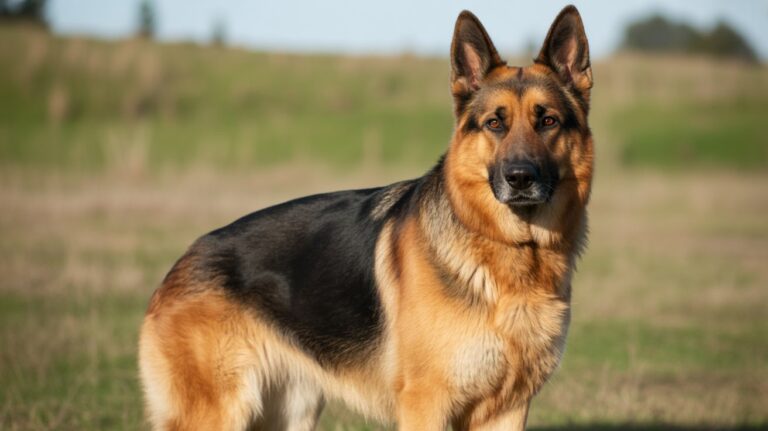
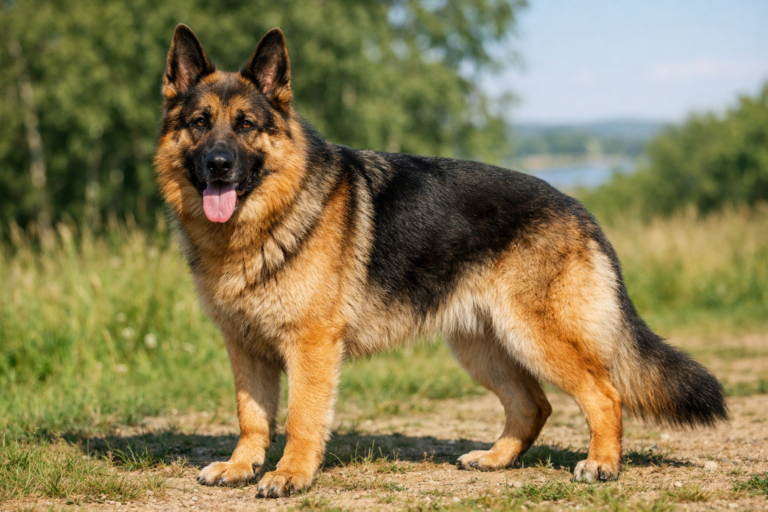
Bite Pressure of a German Shepherd is about 230 to 240 PSI. This level of force is strong enough for protection, holding, and control tasks. It is not the highest among dogs, but it is powerful and effective due to the breed’s jaw strength and training ability.
In this guide, you will learn simple and accurate details about bite pressure, strength, and what it means for you.
What Is the Bite Force of a German Shepherd?
A German Shepherd has a bite force of around 230 to 240 PSI.
PSI (pounds per square inch) measures how much pressure is applied when the dog bites. This level of pressure allows the dog to:
- Hold firmly without slipping
- Control suspects or objects
- Defend when necessary
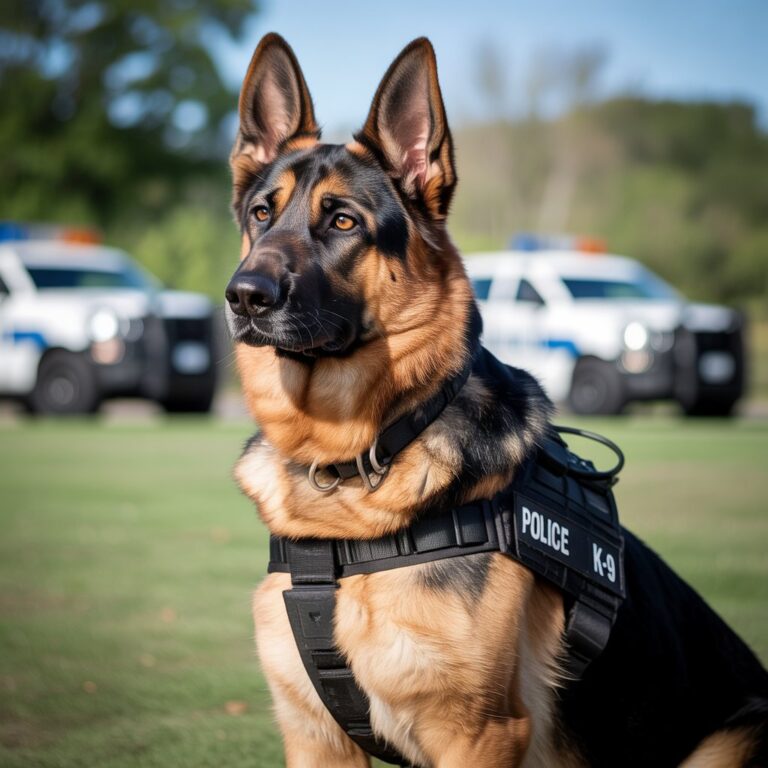
This is why German Shepherds are widely used in police, military, and security roles worldwide.
How Strong Is a German Shepherd’s Bite?
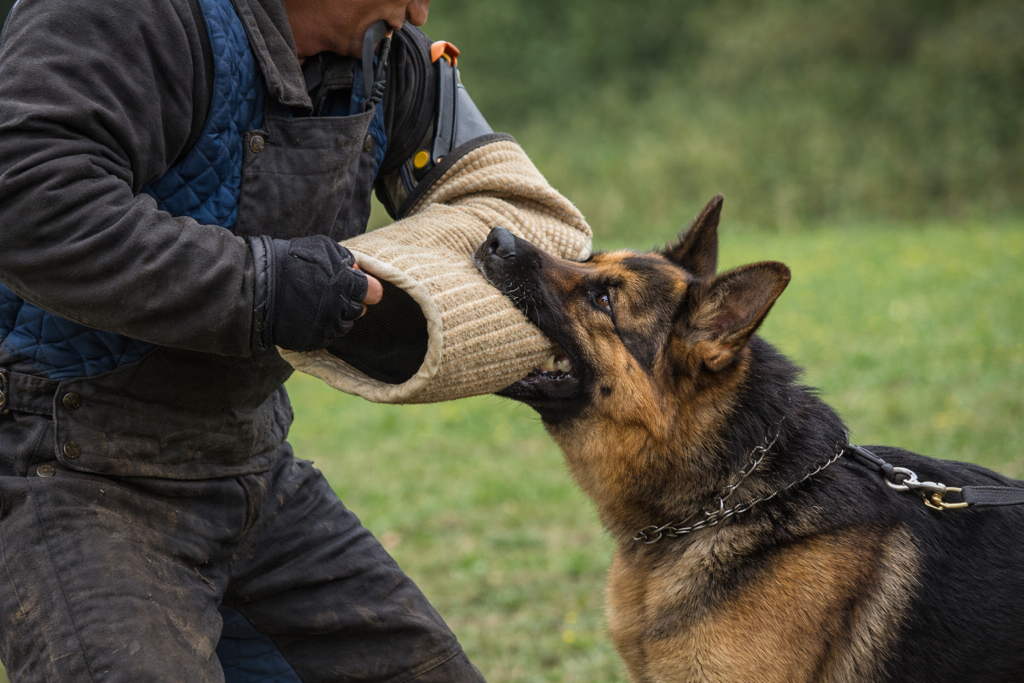
The bite is powerful, controlled, and purpose-driven.
In real situations, a German Shepherd can:
- Maintain a strong grip on training sleeves or objects
- Hold targets without instantly crushing them
- Apply enough pressure to cause injury if untrained
What makes this breed special is not just its strength but its bite control (bite inhibition + training).
A well-trained German Shepherd does not bite randomly. It responds to commands and releases instantly.
How Is Bite Force Measured in PSI?
Experts measure bite force using specialized pressure equipment.
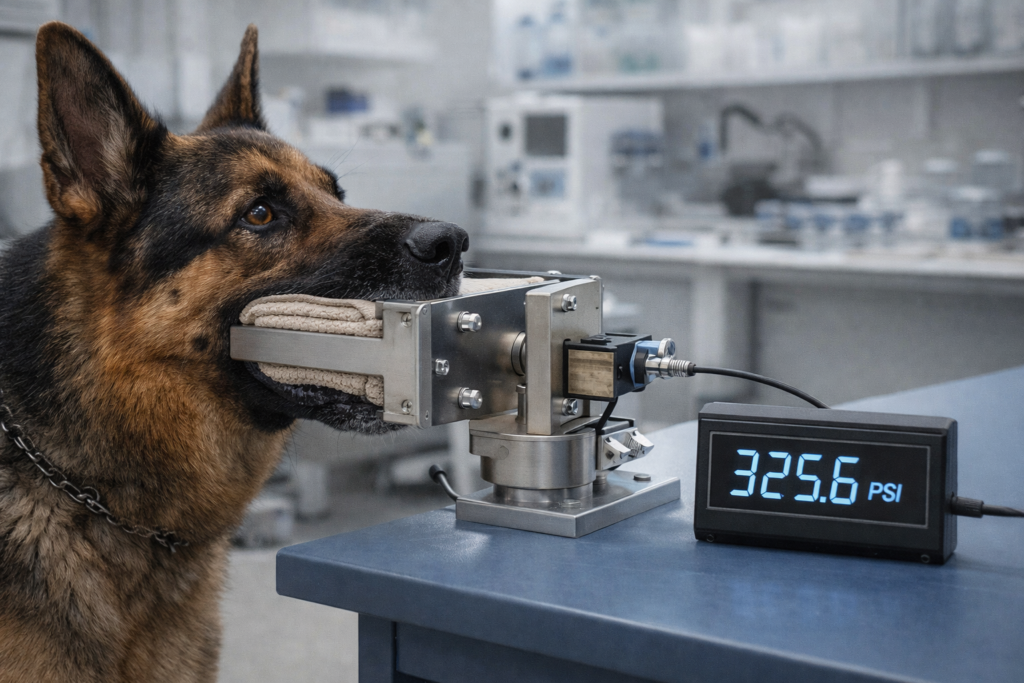
Process:
- The dog bites a sensor device
- The tool records pressure in PSI
- Multiple tests are done for accuracy
Dogs rarely bite with full force during tests, so results are estimates, not exact maximum limits.
How Does It Compare to Other Dogs?
Here is a simple and realistic comparison:
- German Shepherd: 230 to 240 PSI
- Pitbull: 235 PSI
- Rottweiler: 320 to 330 PSI
- Kangal: 700+ PSI
German Shepherds have a strong bite, but some breeds have higher raw pressure.
Expert analysis on bite force myths from Psychology Today.
Is It Stronger Than a Pitbull or Rottweiler?
- Very close to a Pitbull
- Weaker than a Rottweiler
However, in real-life situations:
Training, control, and behavior matter more than small PSI differences.
Comparison With Wolf or Coyote
- Wolf: 400+ PSI
- Coyote: 150 PSI
- German Shepherd: 230 to 240 PSI
German Shepherds fall in the middle.
Wolves have stronger jaws because they hunt large prey, while German Shepherds are bred for controlled working tasks, not survival hunting.
Which Dog Has the Strongest Bite Force?
The Kangal is widely considered to have the strongest recorded bite force, often exceeding 700 PSI.
It was specifically bred to protect livestock from powerful predators like wolves.
Can a German Shepherd Control Its Bite?
Yes, and this is one of its biggest strengths.
With proper training, a German Shepherd can:
- Hold without crushing
- Adjust pressure based on the situation
- Release immediately on command
This level of control makes them one of the most reliable working dogs in the world.
Also Read: When Do German Shepherd Puppies Stop Biting?
How German Shepherds Are Trained for Bite Work?
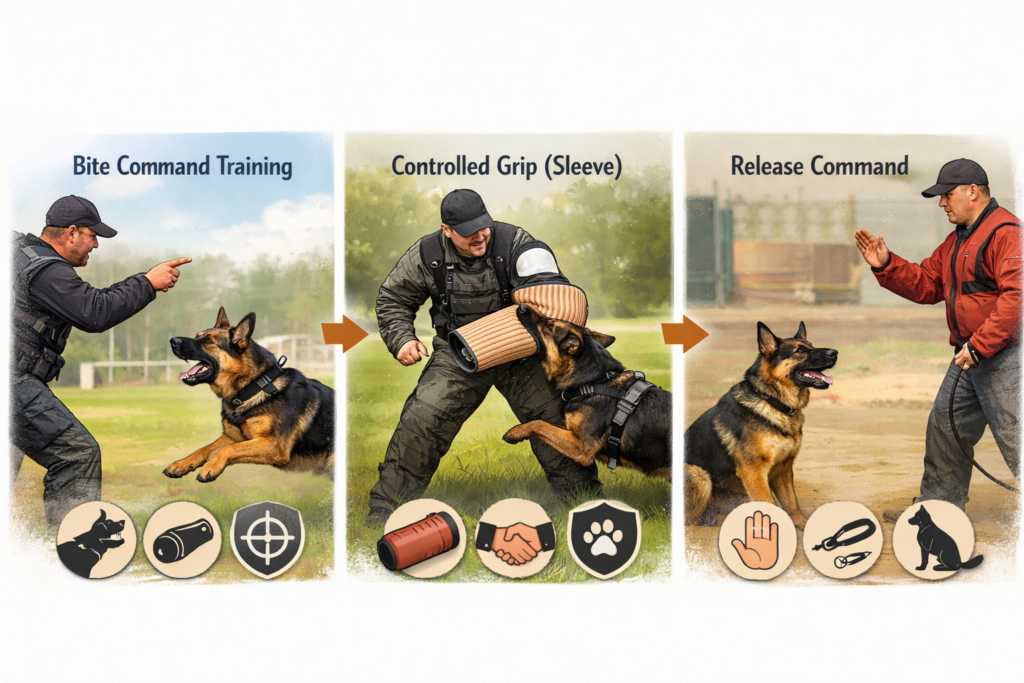
Bite training focuses on discipline, control, and safety.
- Teaching bite and release commands
- Using protective sleeves for safe practice
- Reward-based (positive reinforcement) training
- Building focus, confidence, and obedience
Professional guidance is strongly recommended for bite work training.
What Is Bite Inhibition?
Bite inhibition means a dog learns how hard to bite without causing harm.
How puppies learn:
- They play and bite softly
- Hard bites stop the play
- They learn to control pressure naturally
Early training is critical to ensure safe behavior as the dog grows.
Are Police German Shepherds Trained to Bite Harder?
No, they are trained to bite smarter, not harder.
They learn to:
- Target specific areas
- Hold without unnecessary damage
- Release instantly when commanded
This reduces risk while maintaining effectiveness.
Is a German Shepherd Bite Dangerous to Humans?
Yes, it can be dangerous if the dog is not trained or controlled.
Possible risks:
- Deep puncture wounds
- Tissue and muscle damage
- Risk of infection
Proper training and socialization greatly reduce these risks.
Many people misunderstand aggression in this breed.
Read this before judging: Is A German Shepherd A Dangerous Dog?
Can It Break Bones?
In rare cases, yes.
This depends on Bite Pressure of a German Shepherd:
- Bite pressure applied
- Location of the bite
- Dog size and strength
Bone breaks are uncommon but possible in difficult situations.
How Much Damage Can It Cause?
Damage depends on force and situation.
Possible outcomes:
- Skin punctures
- Muscle injury
- Nerve damage
Immediate medical care is important after any serious bite.
Are German Shepherds Naturally Aggressive?
No, they are not naturally aggressive.
They are:
- Protective
- Alert
- Loyal
Aggression usually comes from:
- Poor training
- Fear
- Lack of socialization
What Happens in a Bite Force Test?
During testing:
- The dog bites a measuring device
- Pressure is recorded instantly
- Tests are repeated for consistency
Results vary depending on effort and conditions.
Do They Naturally Have a Strong Bite Force?
Yes.
This comes from:
- Strong jaw muscles
- Working dog genetics
- Balanced skull structure
When Do They Reach Full Bite Strength?
Most German Shepherds reach full bite strength between 18 and 24 months.
At this stage:
- Jaw muscles fully develop
- Bite power increases
- Confidence improves
Read Guide: What Age Is a German Shepherd Fully Grown?
Can Training Reduce Bite Force?
Training does not reduce strength.
It helps the dog:
- Control the bite
- Avoid unnecessary aggression
- Follow commands properly
What Factors Affect Bite Force?
Several factors influence bite strength:
- Age
- Health
- Diet
- Genetics
- Training level
How Jaw Muscles Impact Bite Strength?
Stronger muscles create more pressure.
German Shepherds have:
- Thick jaw muscles
- Strong grip
- Good endurance
Role of Skull Structure:
The skull design supports bite strength.
- A wide jaw base increases force
- Proper alignment improves grip
- Balanced structure improves control
What Is PSI?
PSI means pounds per square inch.
It measures pressure:
- Higher PSI = stronger bite
- Lower PSI = weaker bite
230 PSI means 230 pounds of pressure per square inch.
FAQ’s:
Does a German Shepherd have a strong bite force?
Yes, around 230 to 240 PSI, which is strong for control and protection.
Can a German Shepherd bite break bones?
Yes, but this is rare and depends on force and location.
Are German Shepherd bites dangerous?
Yes, without training, they can cause serious injury.
What makes their bite powerful?
Strong muscles, skull structure, and working dog genetics.
How can you reduce bite risk?
Early training, socialization, and teaching bite inhibition.
Conclusion:
A German Shepherd’s bite pressure of 230 to 240 PSI makes it strong enough for protection, control, and professional working roles.
However, the real strength of this breed lies in control, intelligence, and trainability not just raw power.
With proper training and socialization, a German Shepherd can use its bite safely and effectively, making it one of the most balanced and reliable dogs in the world.