How Many Calories Does A German Shepherd Need? (Complete Guide 2026)
A healthy adult German Shepherd needs 1,200 to 2,000 calories per day, depending on age, weight, activity level, and metabolism. Active or working dogs need more calories, while seniors and less active German Shepherds need fewer to maintain a healthy weight.
Understanding proper calorie intake allows you to meet your German Shepherd’s nutritional needs and support a long, energetic life.
Why Do Calories Matter for German Shepherds?
Calories are the primary source of energy for German Shepherds. The correct calorie intake supports muscle strength, daily activity, brain function, and healthy growth. Feeding too many calories can lead to obesity and joint stress, while too few calories may cause weakness, weight loss, and poor coat quality.
A balanced calorie intake helps your German Shepherd stay active, strong, and comfortable throughout all life stages.
What Factors Affect a German Shepherd’s Calorie Needs?
A German Shepherd’s daily calorie requirement is not the same for every dog. Several important factors determine how much food your dog truly needs.:
- Age: Puppies, adults, and senior dogs all burn energy differently.
- Weight: Larger or heavier dogs need more calories to maintain body functions.
- Activity Level: Active dogs burn more calories than sedentary ones.
- Health Status: Medical conditions can increase or reduce calorie requirements.
Does Age Change Calorie Requirements?
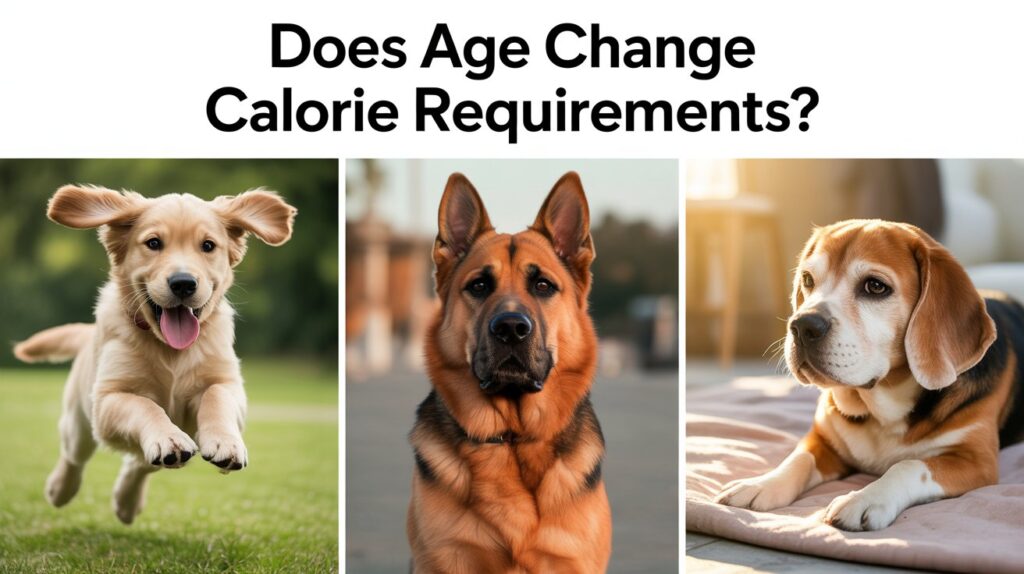
Yes, age plays a significant role in determining calorie needs.
- Puppies
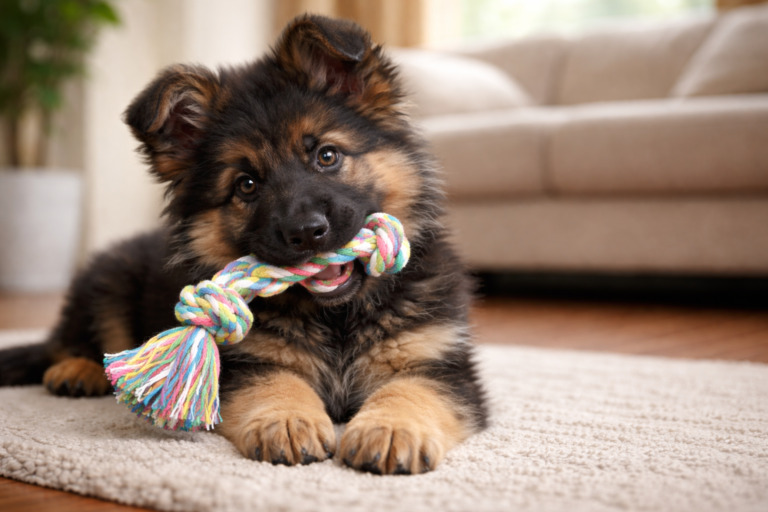
German Shepherd puppies grow rapidly and require more calories to support bone development, muscle growth, and high energy levels.
- Adults
Adult German Shepherds need calories to maintain muscle mass and daily energy, but generally require fewer calories than puppies.
- Seniors
Senior German Shepherds usually need fewer calories due to slower metabolism and reduced activity. Overfeeding seniors often leads to weight gain and joint pain.
How Does Weight Impact Daily Calories?
Weight directly affects how many calories a German Shepherd needs each day. A heavier dog requires more energy to maintain basic body functions.
- Larger Dogs: Larger German Shepherds need more calories to sustain muscle mass and body function.
- Overweight Dogs: Often need controlled calorie intake to reduce strain on joints and organs
Maintaining an ideal weight is more critical than simply eating more food.
How Much Does Activity Level Matter?
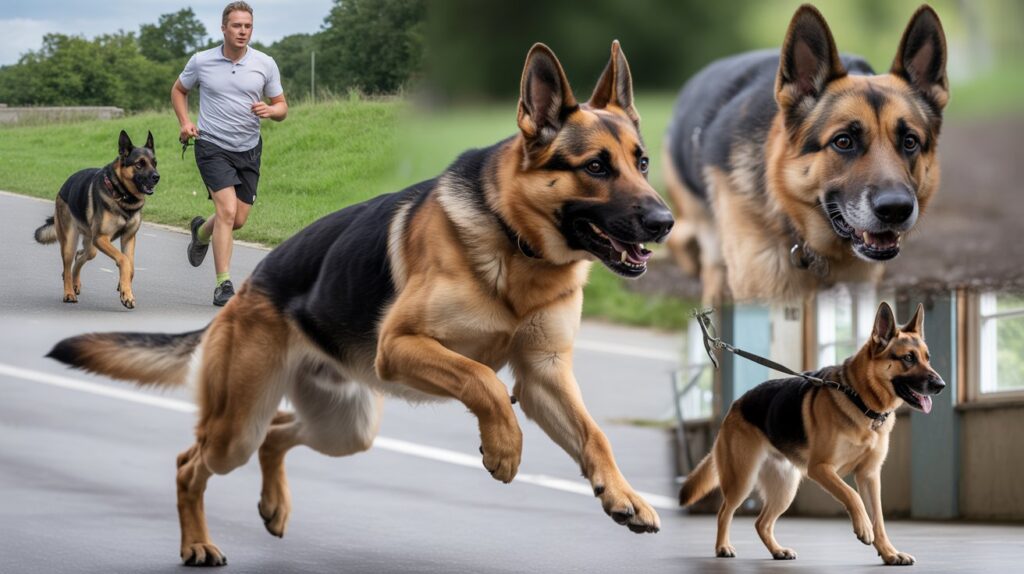
Activity level plays a crucial role in determining a German Shepherd’s calorie needs. The more active your dog is, the more calories they burn, and thus, the more they need to consume to maintain a healthy weight.
- Highly Active Dogs: Working dogs, guard dogs, or agility-trained German Shepherds burn more calories
- Moderately Active Dogs: Regular walks and playtime
- Low Activity Dogs: Indoor or older dogs with limited exercise
The more active the dog, the higher the calorie requirement.
Do Health Conditions Affect Calorie Needs?
Yes. Certain health conditions can change how many calories your dog should eat.
- Obesity: Requires calorie reduction and portion control
- Joint Problems: Lower activity may reduce calorie needs
- Illness or Recovery: Some conditions may temporarily increase calorie demand
Always consult a veterinarian before making significant dietary changes.
How Many Calories Does an Adult German Shepherd Need?
An adult German Shepherd typically needs around 1,500 to 1,800 calories per day, depending on their activity level and weight.
- Highly Active Adults: Up to 2,000 calories
- Less Active Adults: Around 1,400 to 1,600 calories
Adjust portions based on weight and daily activity.
How Many Calories Does a German Shepherd Puppy Need?
Puppy calorie needs vary based on age and size. Generally, puppies need between 1,000 and 1,500 calories per day.
- Under 6 Months: Up to 1,500 calories per day
- 6 to 12 Months: About 1,200 to 1,400 calories
Puppies should be fed multiple meals per day for healthy development.
How Many Calories Does a Senior German Shepherd Need?
Senior German Shepherds usually need 1,200 to 1,500 calories per day.
- Inactive Seniors: Around 1,200 calories
- Moderately Active Seniors: 1,400 to1,500 calories
Lower calorie intake helps prevent weight gain and joint discomfort.
How Do Calories Differ by Weight and Activity Level?
Calories are influenced by both weight and activity level. A heavier or more active dog requires more calories to maintain their weight.
| Weight | Activity Level | Calories Needed |
| Light (Under 60 lbs) | Low Activity | 1,200 to 1,400 calories |
| Medium (60to80 lbs) | Moderate Activity | 1,500 to1,700 calories |
| Large (Over 80 lbs) | High Activity | 1,800 to 2,000 calories |
Do Working German Shepherds Need More Calories?
Yes. Working German Shepherds burn significantly more energy.
- Police, military, herding, and search-and-rescue dogs may need 2,000–2,500 calories per day.
- Their diet should be high in protein and healthy fats
Does Spaying or Neutering Change Calorie Needs?
Yes. Spaying or neutering can slightly slow metabolism.
- Spayed or neutered German Shepherds may require fewer calories.
- Portion control is essential to prevent weight gain.
Since neutering can slow metabolism, choosing the right time is important. You can read our complete guide to avoid unnecessary weight gain.
Also Read :When To Neuter a German Shepherd?
What Are the Best Foods to Meet Calorie Needs?
The best foods for meeting your German Shepherd’s calorie needs are those high in protein, healthy fats, and essential nutrients.
- High-protein kibble with real meat as the first ingredient
- Healthy fats for energy and coat health
- Limited fillers and artificial additives
Is Dry or Wet Food Better for Calories?
Dry food is generally better for calorie control as it is more concentrated, meaning more calories in a smaller portion. However, wet food can provide extra moisture and may be preferred by dogs with dental issues.
- Dry Food: More calories per serving.
- Wet Food: Contains more water, fewer calories per serving.
Many owners successfully combine both.
Are Raw or Home-Cooked Diets Safe?
Raw or home-cooked diets can be safe for German Shepherds if properly balanced. However, it is essential to work with a veterinarian to ensure the diet meets all nutritional needs.
- Raw Diets: Must include a variety of meats, bones, and vegetables to meet all nutritional needs.
- Home-Cooked Diets: Should be made with a proper balance of protein, vegetables, and healthy fats.
How Can You Calculate Calories for Your German Shepherd?
You can calculate your German Shepherd’s daily calorie requirements using a simple formula based on their weight and activity level.
- 30 × body weight (kg) + 70 = daily calories
- For active dogs, multiply by 1.2–1.8 depending on activity level.
What Are Signs of Overfeeding a German Shepherd?
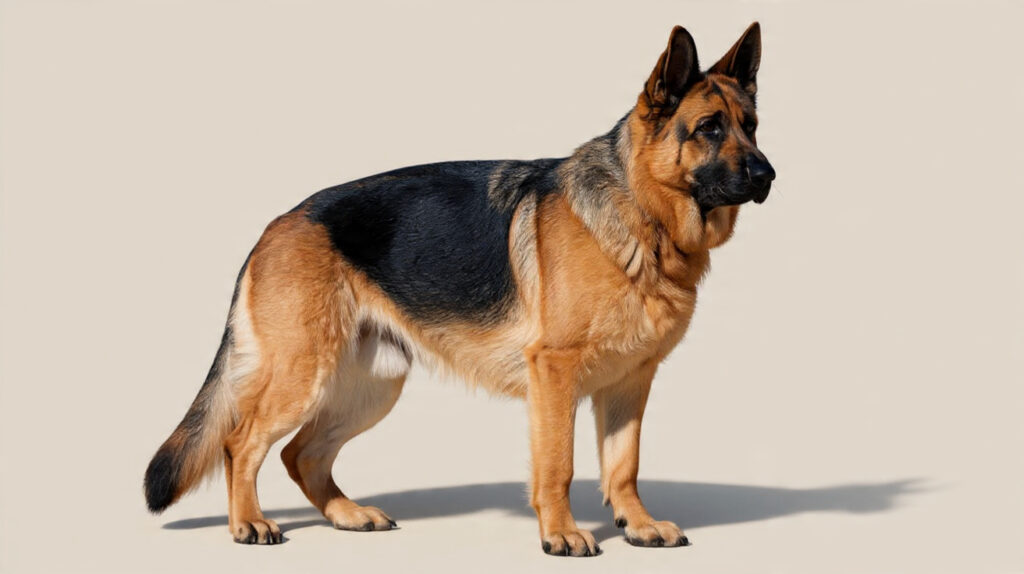
Overfeeding can lead to obesity and health issues. Signs of overfeeding include:
- Excess Weight: Visible fat accumulation, especially around the abdomen.
- Lethargy: Less energy and slower movements.
- Breathing Issues: Difficulty breathing or excessive panting.
What Are Signs Your German Shepherd Is Underfed?
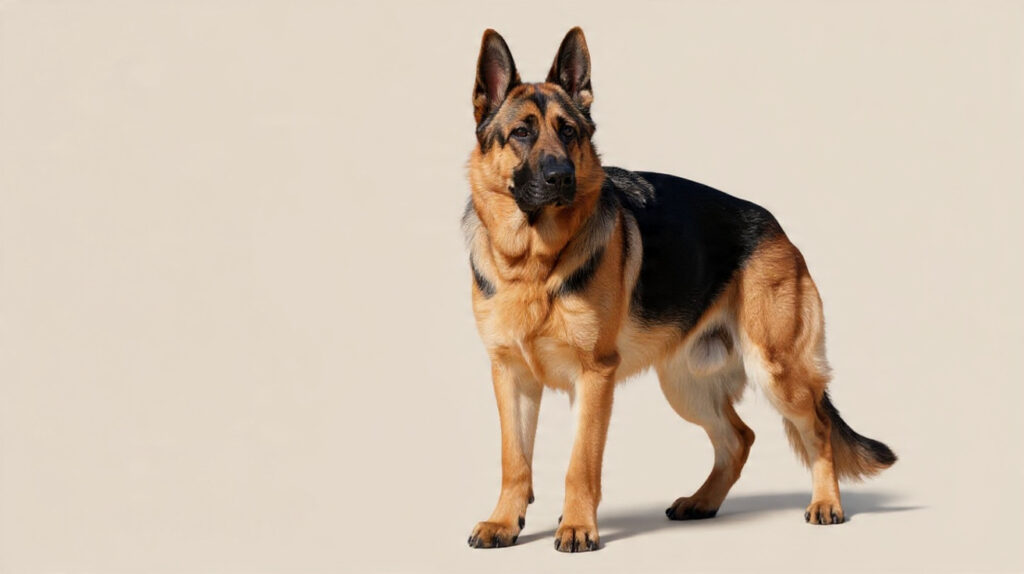
Underfed dogs may show signs of malnutrition or weight loss. Symptoms include:
- Rib Visibility: Easily visible ribs or spine.
- Low Energy: Lack of enthusiasm for play or exercise.
- Poor Coat Quality: Dull or thinning fur.
What Feeding Mistakes Do Owners Commonly Make?
Common feeding mistakes include overfeeding, feeding the wrong type of food, or giving too many treats. Owners should be mindful of their dog’s calorie requirements and adjust portions as necessary.
- Overfeeding: Giving too many calories without enough exercise.
- Treat Overload: Treats can add up in calories quickly.
How Can You Maintain a Healthy Weight Long-Term?
To maintain a healthy weight for your German Shepherd:
- Control Portions: Measure food and avoid free-feeding.
- Regular Exercise: Keep your dog active through walks and play.
- Balanced Diet: Choose nutrient-rich food appropriate for their life stage and activity level.
FAQ’s:
Can German Shepherds Eat Fewer Calories on Rest Days?
Yes. On days with less activity, reducing calories slightly helps prevent weight gain and joint stress.
Is Overfeeding a German Shepherd Dangerous?
Yes. Overfeeding increases the risk of obesity, hip dysplasia, and heart problems, especially in large breeds.
Do Indoor German Shepherds Need Fewer Calories?
Yes. Indoor dogs usually burn fewer calories and need smaller portions than outdoor or working German Shepherds.
Is Free-Feeding Safe for German Shepherds?
No. Free-feeding often leads to overeating and obesity. Measured meals are safer and healthier.
How Often Should You Adjust Your German Shepherd’s Food Portions?
Food portions should be reviewed every 4–6 weeks or whenever your dog’s activity or weight changes.
Conclusion:
Feeding the correct number of calories is essential for a German Shepherd’s health and longevity. By considering age, weight, and activity level, owners can prevent obesity, support strong joints, and maintain energy. Consistent portion control and quality nutrition ensure a healthy, active life.