Different Types Of German Shepherd Breeds: (Powerful And Remarkable Varieties You Should Know)
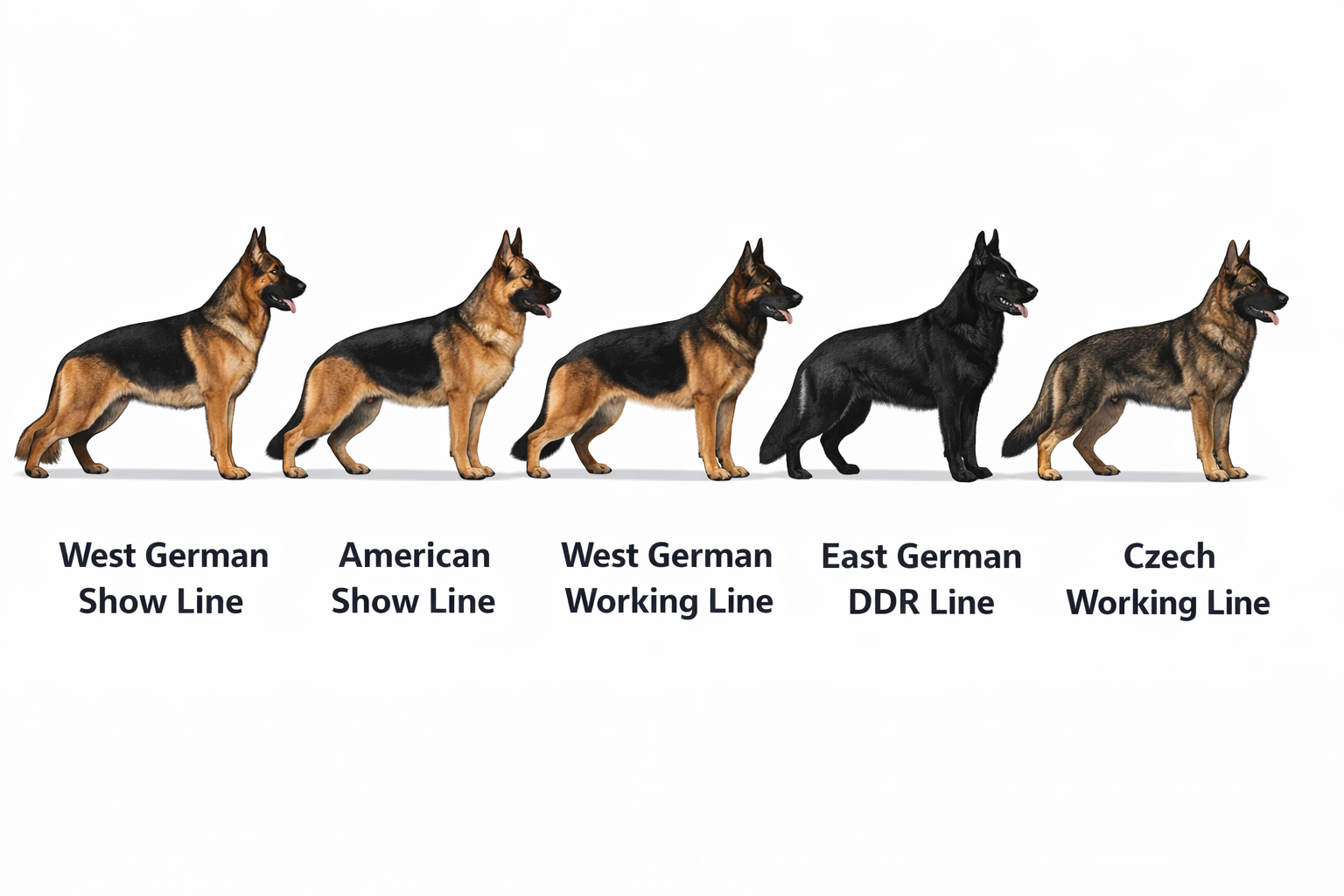
Different types of German Shepherd breeds mainly refer to bloodlines and regional variations. The most common include West German Show Line, West German Working Line, East German (DDR) Line, Czech Working Line, and American Show Line. Each type differs in appearance, temperament, working ability, and breeding purpose.
Understanding the different types of German Shepherd breeds helps potential owners choose the right dog for their lifestyle, training goals, and experience level.
Introduction to German Shepherd Dogs:
When discussing the different types of German Shepherd breeds, it is important to understand that not all German Shepherds are the same. Although they share the same origin, decades of selective breeding have created distinct bloodlines with unique characteristics.
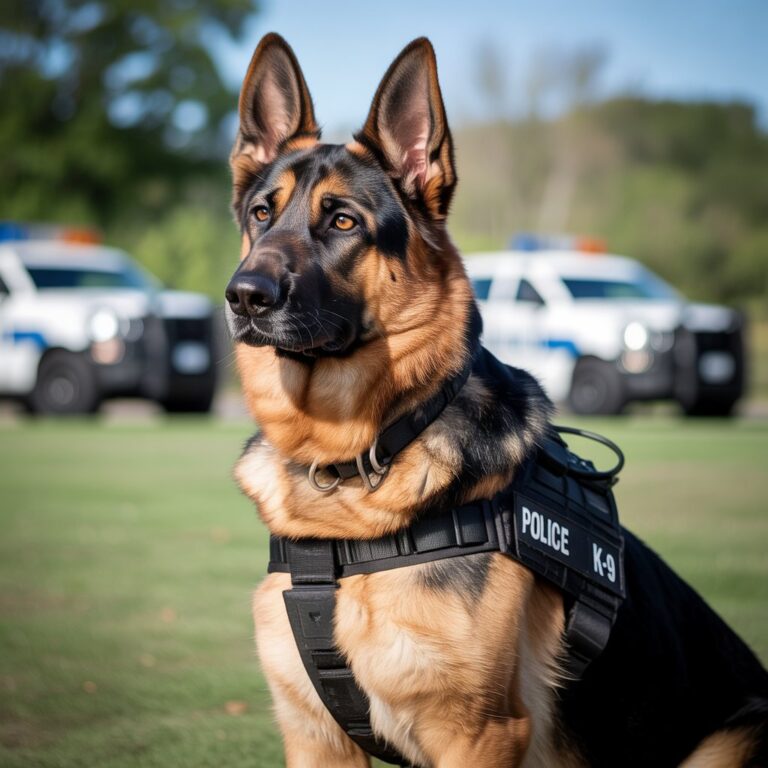
German Shepherds are widely respected for their intelligence, loyalty, strength, and trainability. Because of these qualities, they are commonly used as:
- Police and military dogs
- Search and rescue dogs
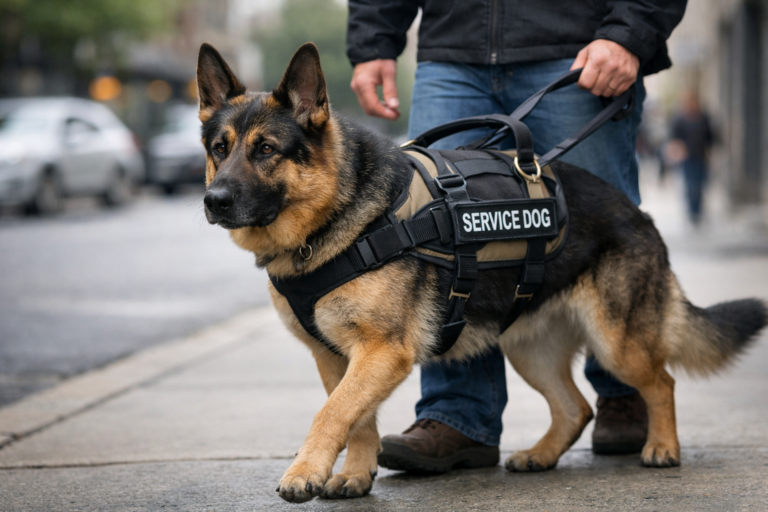
- Service and therapy animals
- Loyal family companions
However, each line has different energy levels, temperaments, and training needs. Choosing the right type can make a big difference in how well the dog fits into your home and daily routine.
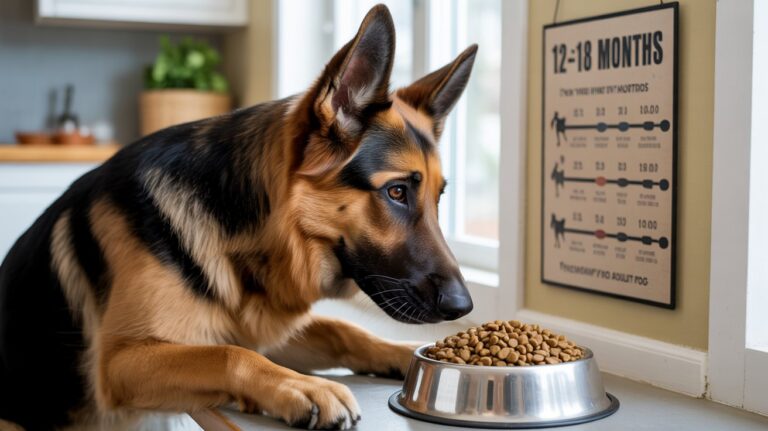
Before choosing among the different types of German Shepherd breeds, many new owners also ask what age a German Shepherd is fully grown and how their development affects behavior and training.
History and Origin of the German Shepherd:
The German Shepherd breed was developed in Germany in the late 1800s. A German cavalry officer named Max von Stephanitz aimed to create the ideal working dog, one that was intelligent, obedient, strong, and reliable.
He believed that working ability was more important than appearance, and he carefully selected dogs with the best traits for breeding. This approach helped establish the strong reputation German Shepherds have today.
After World War II, breeding programs began to develop differently across various countries. These separate breeding goals eventually created the different German Shepherd bloodlines we recognize today.
For official breed standards, you can visit the American Kennel Club (AKC)
Why Understanding Different Types of German Shepherd Breeds Matters?
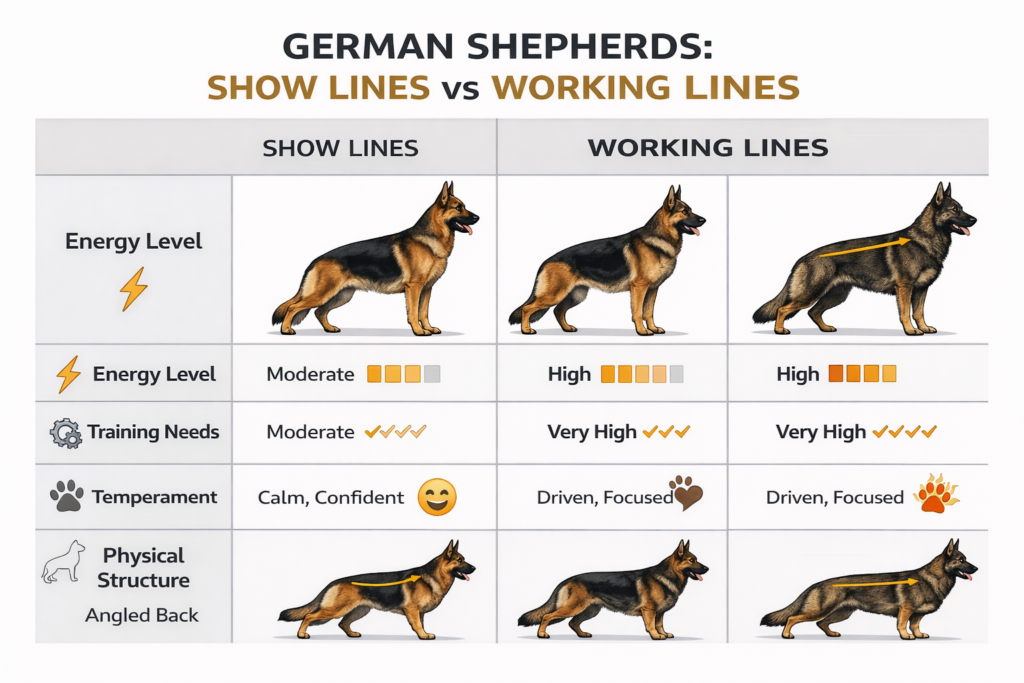
Many people assume that all German Shepherds behave the same way. In reality, different lines can have very different personalities and energy levels.
Some lines are bred mainly for appearance and dog shows, while others are developed for intense work and protection tasks. Bringing home a high-drive working line without proper training and activity can lead to serious challenges.
Understanding the different types of German Shepherd breeds helps you:
- Choose the right temperament for your home
- Understand grooming and coat care needs
- Prepare for exercise and mental stimulation requirements
- Prevent common behavioral problems
- Make a smarter long-term commitment
Now, let’s explore the most well-known German Shepherd varieties.
Exercise and activity levels vary between different bloodlines, which is why it helps to understand how much exercise a German Shepherd actually needs each day.
West German Show Line:
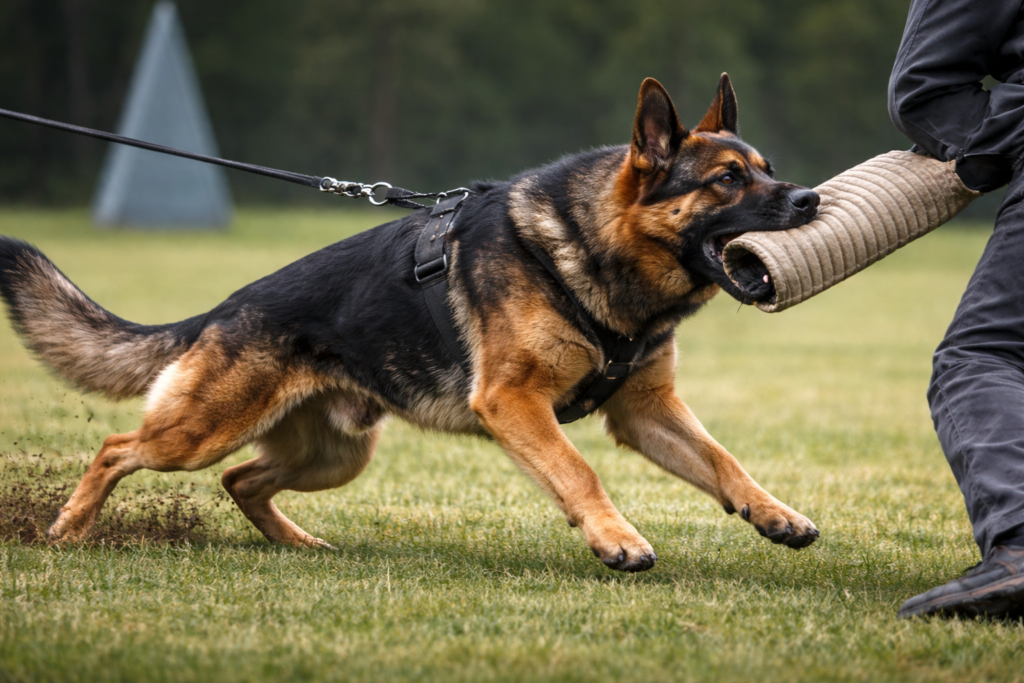
Appearance Traits:
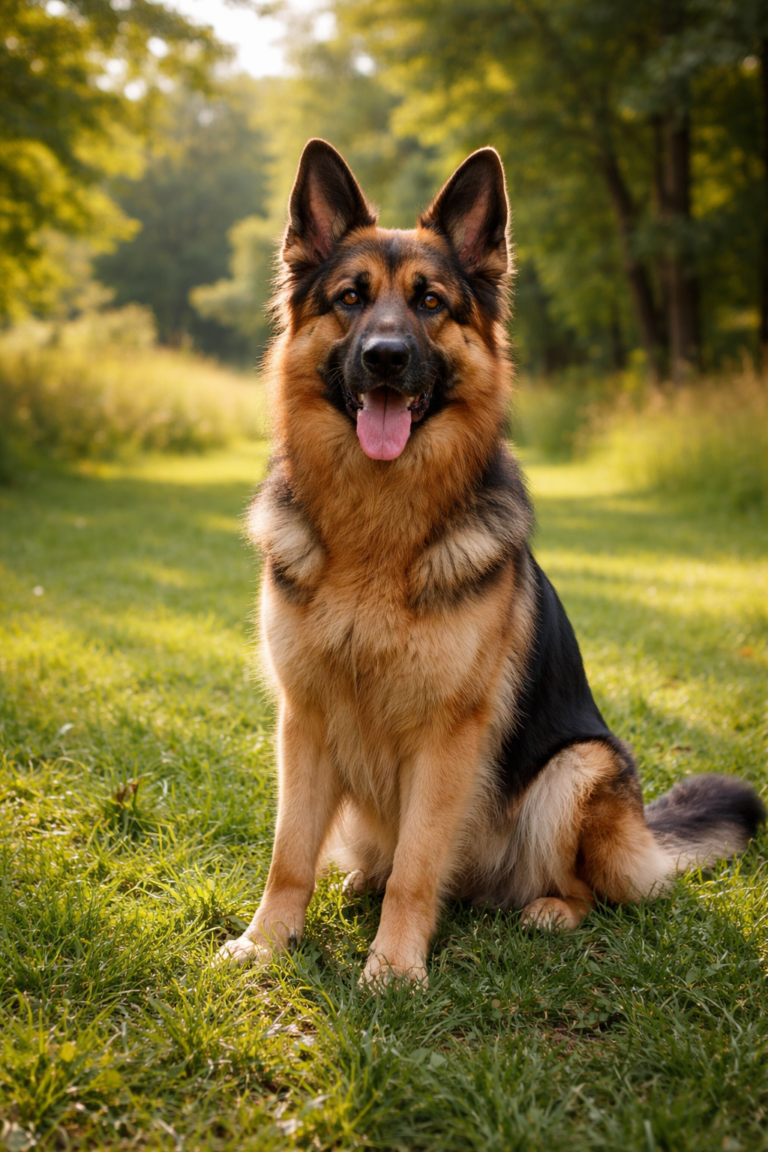
West German Show Line German Shepherds follow strict European breed standards and are often seen in conformation dog shows.
Common physical traits include:
- Rich black and red coat colors
- Slightly sloped back
- Balanced and athletic body
- Thick double coat
Their appearance is often considered the classic German Shepherd look.
Temperament and Suitability:
These dogs are known for having a stable temperament and balanced energy level. While they still require regular exercise and training, they are usually easier to manage than intense working lines.
They are often a good choice for:
- Active families
- First-time German Shepherd owners
- Homes looking for a protective but manageable dog
American Show Line:
Physical Structure:
The American Show Line was developed mainly for dog shows in the United States. Breeders focused heavily on appearance and movement in the show ring.
Typical characteristics include:
- More dramatic rear angulation
- Lighter bone structure
- Classic black and tan saddle coloring
- Smooth, elegant outline
Responsible breeders aim to maintain healthy structure and mobility.
Behavioral Characteristics:
American Show Line Shepherds usually have a calmer temperament compared to European working lines. They adapt well to family homes but still require consistent training and socialization.
They can make excellent companions for:
- Families
- Suburban homes
- Owners wanting a trainable but less intense dog
West German Working Line:
Drive and Performance:
The West German Working Line focuses heavily on performance, strength, and working ability rather than appearance.
These dogs typically have:
- Strong prey drive
- Exceptional focus
- High endurance
- Straighter back structure
They are often used in police work, military roles, and protection sports such as Schutzhund.
Ideal Owners:
These dogs require experienced handlers who can provide:
- Daily mental stimulation
- Structured training
- High levels of exercise
Without proper outlets for their energy, working line Shepherds may develop destructive or restless behavior.
East German (DDR) Working Line:
Historical Development:
The East German Working Line, also called the DDR German Shepherd, was developed during the Cold War in former East Germany.
These dogs were carefully bred for strength, discipline, and reliability, particularly for border patrol and military duties.
Strength and Health:
DDR German Shepherds are known for:
- Large bone structure
- Dark sable or solid black coats
- Strong nerves and confidence
- Excellent durability
They were also carefully screened for hip health, which contributed to their reputation for strong physical structure.
Czech Working Line:
Energy and Temperament:
Czech Working Line German Shepherds descend from dogs used by the Czech border patrol forces. As a result, they are extremely driven and energetic.
Common traits include:
- Compact muscular build
- Intense focus
- High work drive
- Strong protective instincts
Best Uses:
These dogs excel in:
- Protection sports
- Police and military work
- Highly active homes with experienced owners
They form very strong bonds with their handlers, but they require consistent leadership and training.
King Shepherd:
Size and Physical Traits:
King Shepherds are larger than traditional German Shepherds. They were developed by crossing German Shepherds with other large breeds to create a bigger and calmer companion.
Common features include:
- Larger height and weight
- Broad chest and powerful frame
- Long, thick coat
- Gentle facial expression
Personality:
King Shepherds are often known for their calm and friendly temperament, making them more suitable for family environments.
However, their size means they still need space, training, and regular exercise.
Shiloh Shepherd:
Personality Traits:
Shiloh Shepherds were developed to create a gentler and healthier alternative to traditional German Shepherd lines.
They are often described as:
- Affectionate
- Intelligent
- Calm and stable
- Excellent with children
Health Focus:
Breeders aimed to reduce issues such as hip dysplasia and structural problems. While health depends on responsible breeding, Shiloh Shepherds are generally bred with long-term health and temperament in mind.
Coat Variations in German Shepherds:
Short Coat:
The short coat is the traditional and most common coat type.
Advantages include:
- Lower grooming requirements
- Better functionality for working roles
- Durable weather-resistant fur
Long Coat:
Long-haired German Shepherds have softer and more flowing fur, giving them a striking appearance.
Advantages:
- Very attractive appearance
- Popular as companion dogs
Disadvantages:
- Requires frequent brushing
- Heavy seasonal shedding
German Shepherd Color Variations:
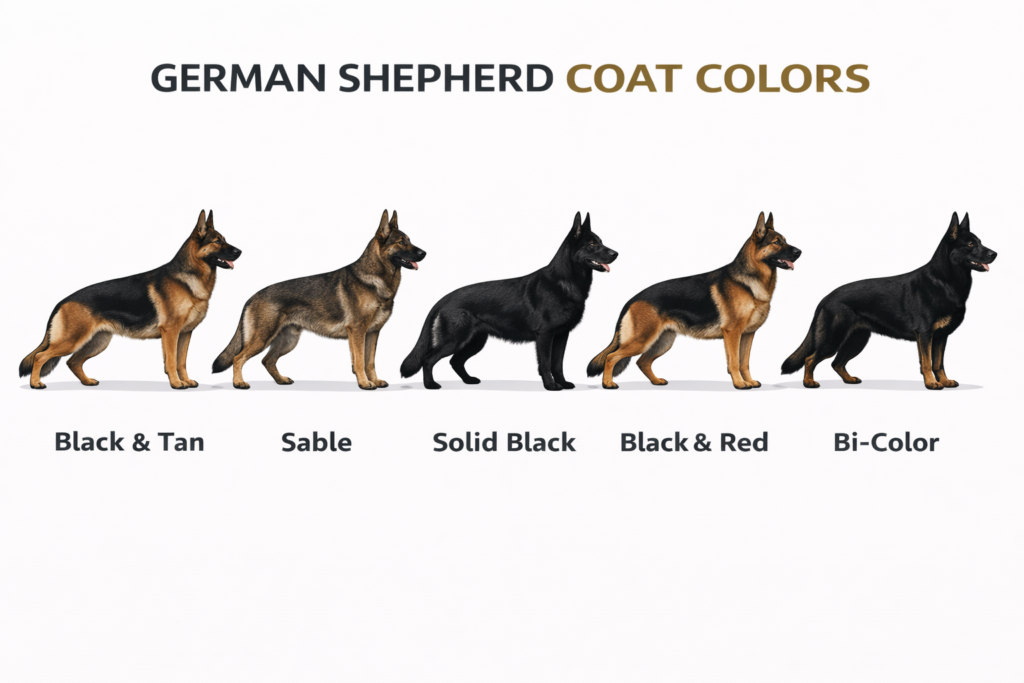
German Shepherds can appear in several color patterns, including:
- Black and tan
- Black and red
- Sable
- Solid black
- Bi-color
- White (recognized differently by some registries)
Coat color does not determine intelligence, loyalty, or working ability, although darker sable coats are often seen in working lines.
Working Line vs Show Line Comparison:
| Feature | Working Line | Show Line |
| Primary Purpose | Performance & work | Appearance & conformation |
| Energy Level | Very high | Moderate |
| Back Structure | Straighter | More angulated |
| Training Needs | Intensive | Moderate |
| Best For | Experienced handlers | Families and pet owners |
This distinction is one of the most important differences among German Shepherd breeds.
Health Differences Among German Shepherd Types:
Although all German Shepherds share similar genetic risks, certain lines may show differences in structure, endurance, and overall health.
Common health issues include:
- Hip dysplasia
- Elbow dysplasia
- Degenerative myelopathy
- Gastric bloat
Working lines are often bred for physical durability and performance, but high energy levels also mean they require proper conditioning to avoid injuries.
Regular veterinary care and responsible breeding remain essential for maintaining a healthy dog.
Some German Shepherd bloodlines are more prone to joint problems, which is why many owners research whether German Shepherds commonly develop hip problems
How to Choose the Right German Shepherd Type?
Choosing among the different types of German Shepherd breeds requires an honest evaluation of your lifestyle and experience level.
Ask yourself:
- How active is my daily routine?
- Do I have dog training experience?
- Am I looking for a working dog or a family companion?
- Can I commit to daily exercise and mental stimulation?
For first-time owners, show lines or calmer variations like Shiloh Shepherds are usually easier to manage. Experienced handlers who want a high-performance dog may prefer working line German Shepherds.
FAQ’s:
Are all German Shepherd types purebred?
No, Working and show lines are purebred German Shepherds, while King Shepherds and Shiloh Shepherds involve selective crossbreeding.
Which type of German Shepherd is best for families?
West German Show Line and Shiloh Shepherds are often considered more family-friendly due to their balanced temperaments.
Do working line German Shepherds make good pets?
Yes, but they require consistent training, daily exercise, and strong leadership.
Are long-haired German Shepherds rare?
They are less common than short-haired types but are still recognized in many breeding communities.
Which German Shepherd line is healthiest?
Health depends more on responsible breeding practices than on a specific line.
Are darker German Shepherds more aggressive?
No, Coat color does not determine temperament. Training, genetics, and socialization influence behavior.
Conclusion:
The different types of German Shepherd breeds each offer unique qualities, from high-drive working dogs to loyal family companions. Understanding these variations helps you choose a dog that matches your activity level, experience, and expectations. With proper training, care, and commitment, a German Shepherd can become one of the most intelligent, protective, and devoted companions you will ever own.