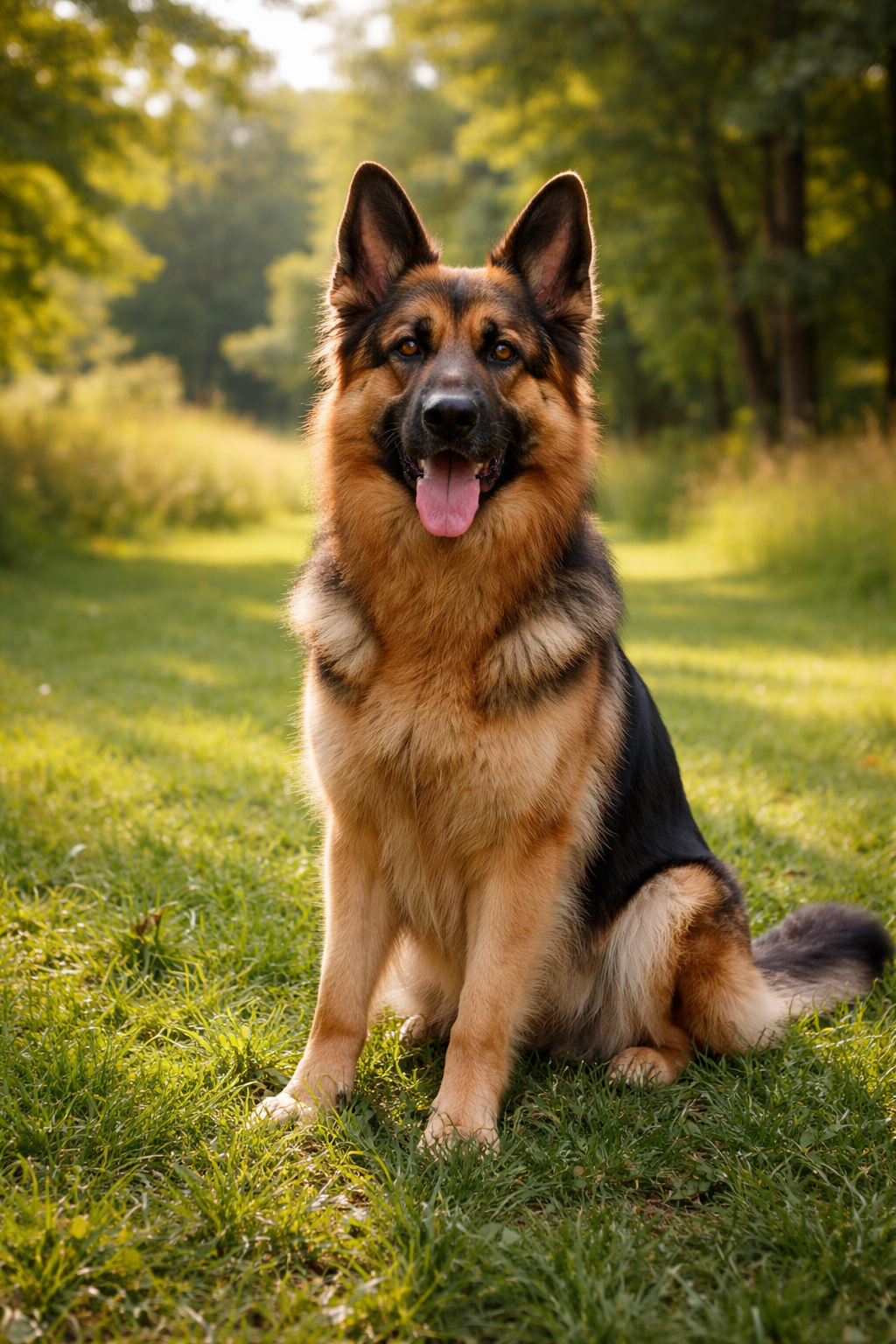
Are German Shepherds Prone To Cancer? (Cancer Risk 2026)
German Shepherds are indeed more prone to certain types of cancer, especially as they age. Common cancers include lymphoma, osteosarcoma, and hemangiosarcoma. While these conditions are a concern, regular veterinary visits and a healthy lifestyle can help lower the risk of cancer development.
In this article, we will explore the cancer risks faced by German Shepherds and how you can help reduce these risks.
Which Cancers Are Most Common in German Shepherds?
German Shepherds, like many large dog breeds, are prone to specific cancers. The most common types include:
- Hemangiosarcoma: An aggressive cancer that affects blood vessels, often found in the spleen, liver, or heart. It’s difficult to detect early, but symptoms like sudden collapse and lethargy may point to this cancer.
- Osteosarcoma: A painful bone cancer that frequently affects the limbs, leading to lameness. This type often requires surgery and chemotherapy.
- Lymphoma: A cancer of the lymphatic system that causes swelling of lymph nodes, weight loss, and lethargy. It can be treated effectively with chemotherapy.
- Mast Cell Tumors: These tumors appear as skin lumps and can vary in severity. If left untreated, they may spread to other organs.
Also Read: What Is Good Dog Food For German Shepherds?
How Does Cancer Risk in German Shepherds Compare to Other Breeds?
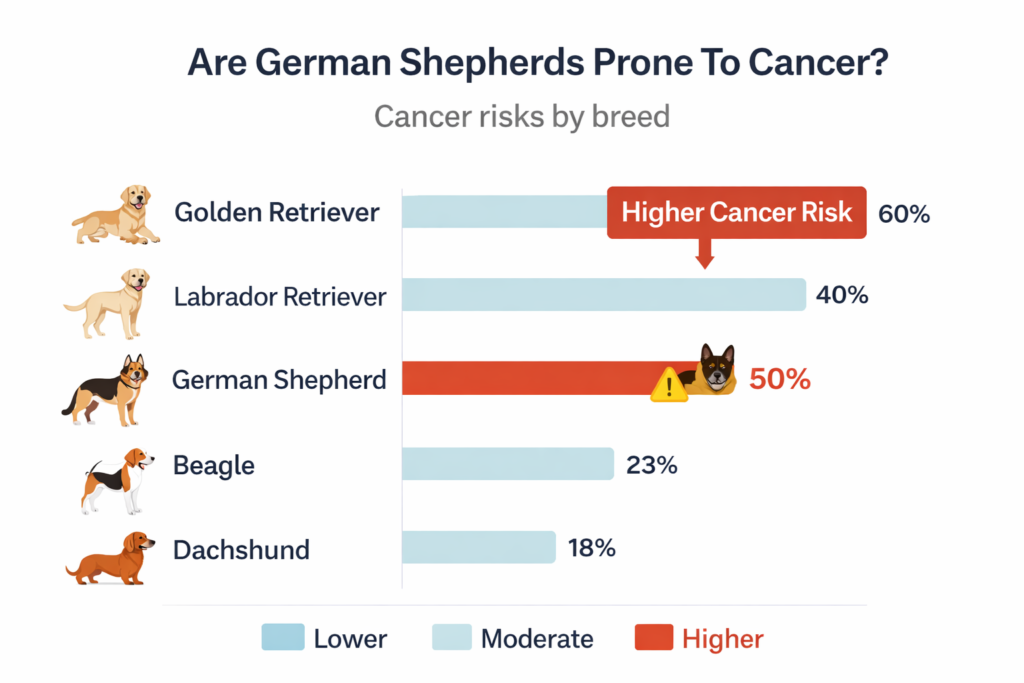
German Shepherds are more prone to certain cancers due to their genetic makeup and large size. Other breeds, such as Golden Retrievers and Boxers, also have a higher risk, but German Shepherds are particularly susceptible to cancers such as osteosarcoma and hemangiosarcoma. By maintaining regular check-ups, pet owners can catch these conditions early, improving the chances of successful treatment.
What Increases Cancer Risk in German Shepherds?
Several factors increase the cancer risk for German Shepherds:
- Genetic Predisposition: Some German Shepherds are at higher risk of developing specific cancers.
- Age: As dogs grow older, their risk of cancer increases, especially in large breeds.
- Environmental Factors: Exposure to harmful chemicals, pesticides, and toxins can elevate cancer risk.
- Diet and Lifestyle: Poor nutrition, obesity, and lack of exercise can weaken the immune system, making it harder to fight cancer.
What Are Early Cancer Signs in German Shepherds?
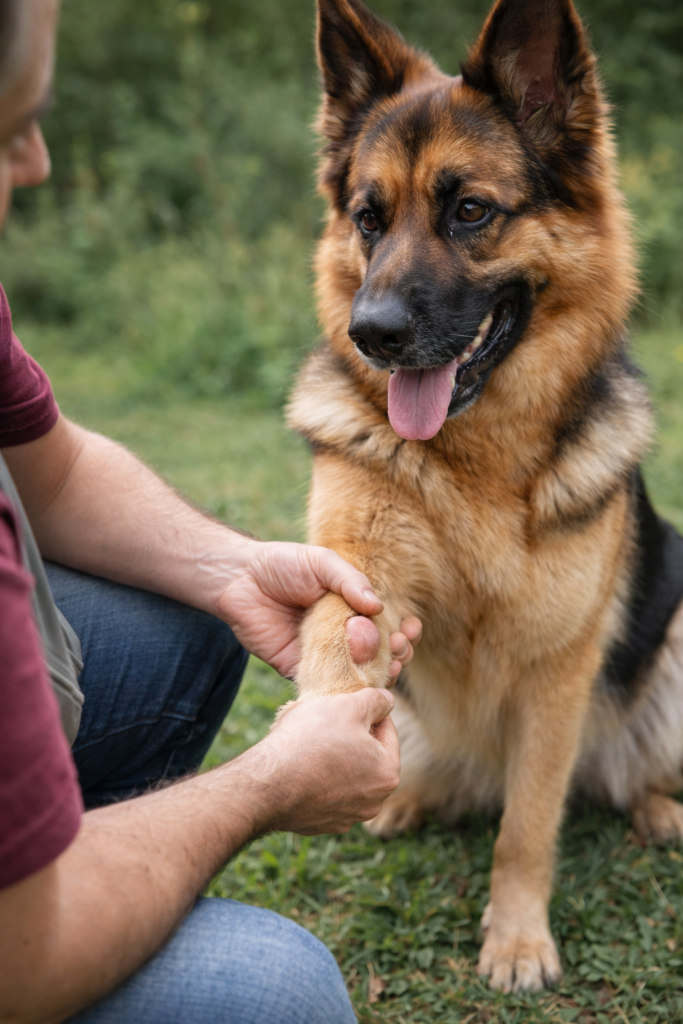
Catching cancer early is crucial for better treatment outcomes. Here are some early warning signs:
- Lumps or bumps on the skin or body.
- Unexplained weight loss or a noticeable decrease in appetite.
- Behavioral changes like lethargy or decreased activity levels.
- Difficulty breathing, coughing, or wheezing.
- Discomfort or pain when walking or moving.
Also Read: When To Neuter A German Shepherd?
How Can Cancer Be Detected Early in German Shepherds?
Early detection can save your dog’s life. Here are ways to spot cancer early:
- Regular vet check-ups: A vet can detect lumps, weight changes, and other early signs.
- Routine blood tests: These can help identify abnormal cell growth.
- At-home monitoring: Keep an eye on any behavioral changes and report them to your vet promptly.
Also Read: What Are German Shepherds Allergic To?
How Do Vets Diagnose Cancer in German Shepherds?
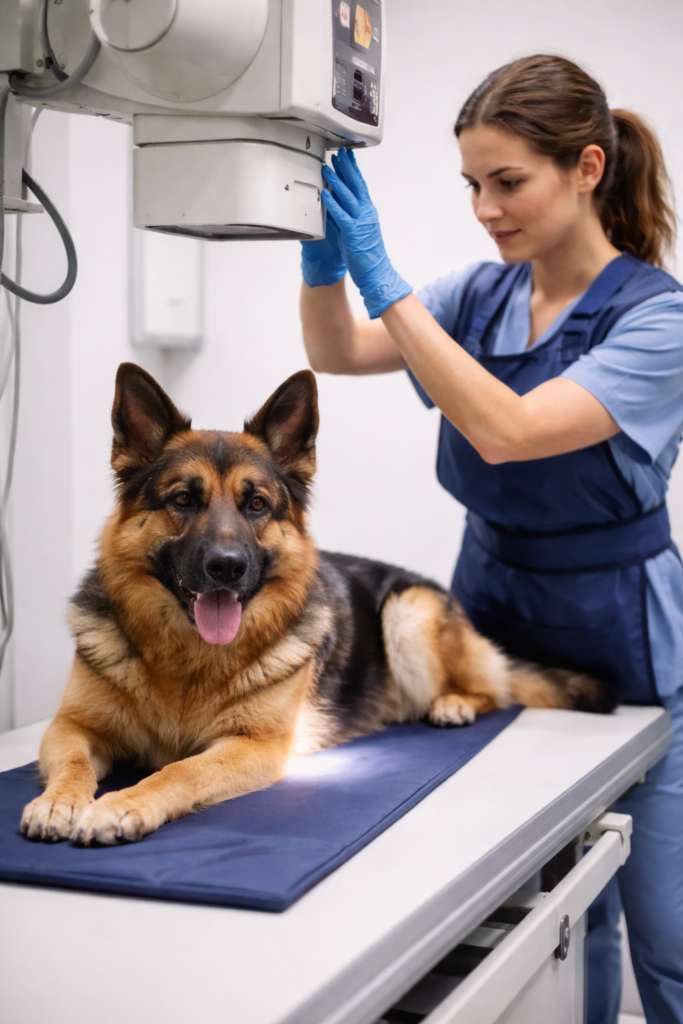
Vets use a combination of methods to diagnose cancer:
- Physical Exams: The vet will check for abnormal lumps, skin changes, or physical discomfort.
- Blood Tests: These tests help spot abnormalities in cell counts that could indicate cancer.
- Imaging: X-rays, CT scans, and ultrasounds help the vet detect internal tumors or masses.
- Biopsy: A tissue sample is taken and analyzed to confirm the presence of cancer and determine its type.
What Tests Confirm Cancer in Dogs?
Here are the key tests used to confirm cancer:
- Blood tests: Help spot abnormalities in blood cells.
- Imaging: X-rays, CT scans, and ultrasounds help locate tumors.
- Biopsy: A sample of tissue is examined to identify cancerous cells.
- Fine needle aspiration: A less invasive method to sample cells from a tumor.
| Test | Purpose | When Used |
| Blood tests | Detects abnormal cell counts | Early signs of cancer |
| X-rays/Ultrasound | Visualize tumors in the body | When a lump or mass is found |
| Biopsy | Confirms the type of cancer | After a lump is found |
What Cancer Treatments Exist for German Shepherds?
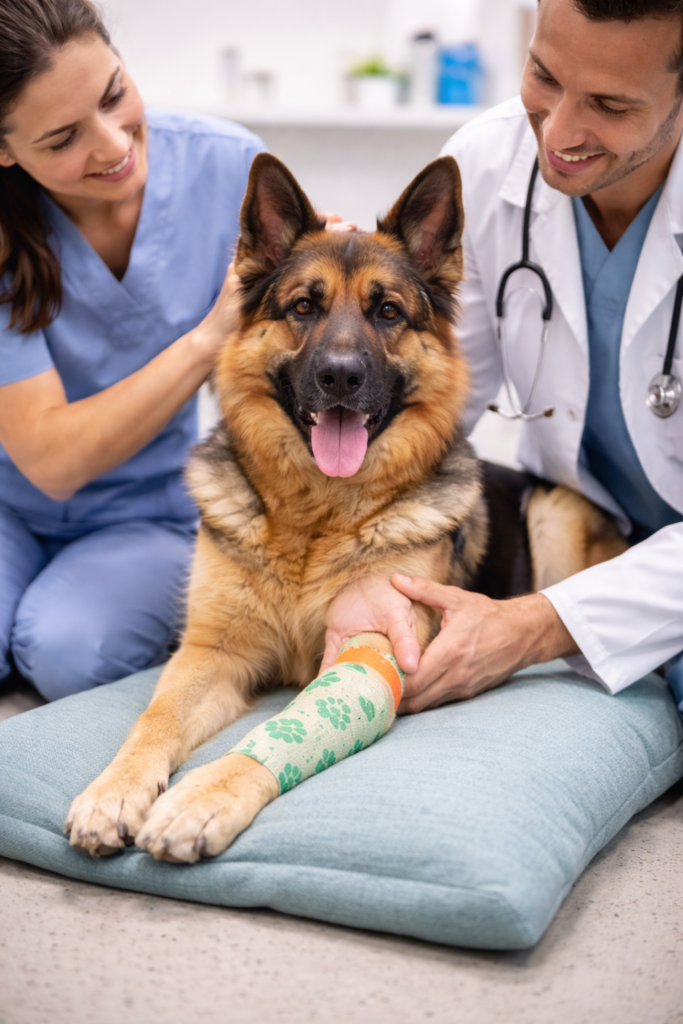
Treatment options for German Shepherds with cancer include:
- Surgery: Removing tumors, especially in early stages.
- Chemotherapy: Drugs used to kill cancer cells, often for lymphoma or metastasized cancers.
- Radiation therapy: Targets specific areas to shrink tumors.
- Palliative care: To manage pain and improve comfort for terminally ill dogs.
Is Chemotherapy Safe for Dogs?
Chemotherapy is commonly used in dogs with cancers like lymphoma and osteosarcoma. While it can be effective, it also has side effects such as vomiting, loss of appetite, and fatigue. Your vet will closely monitor your dog during treatment to minimize risks.
Can Surgery Cure Dog Cancer?
Surgery can cure cancer in some cases, especially when it is localized to one area. If the tumor can be fully removed, your dog may have a chance for a complete recovery. However, in cases where the cancer has spread, surgery can help improve quality of life but may not be a cure.
What Is the Life Expectancy With Cancer in German Shepherds?
Life expectancy after a cancer diagnosis depends on the type, stage, and treatment:
- For early-stage cancers like some types of lymphoma, dogs can live for several more years after treatment.
- Advanced cancers may shorten life expectancy, but with treatment, many dogs still live for months or even years.
| Cancer Type | Expected Life Expectancy | With Treatment |
| Lymphoma | 1 to 2 years without treatment, 2 to 3 years with chemo | Several years of treatment |
| Osteosarcoma | 6 months to a year without treatment | 1 to 2 years with surgery & chemo |
| Hemangiosarcoma | Months without treatment | A few months with surgery and chemo |
Does Prognosis Depend on Cancer Type?
Yes, the prognosis depends on the type of cancer. Some cancers, like lymphoma, respond well to chemotherapy, while others, like osteosarcoma, may require surgery and can have a more guarded prognosis.
How Can Owners Improve Quality of Life During Cancer?
Improving your dog’s quality of life during cancer involves:
- Pain management: Work with your vet to ensure your dog is as comfortable as possible.
- Maintaining normal routines: Keep your dog’s daily life as normal as possible.
- Nutritious food: Provide a diet that supports overall health and helps your dog feel strong.
- Mental stimulation: Keep your dog engaged with toys and activities they enjoy.
By offering emotional support, physical care, and pain management, you can help your German Shepherd live more comfortably through cancer treatment.
FAQ’s:
Can German Shepherds get cancer at any age?
Yes, cancer can occur at any age, although it is more common in older dogs.
What are the signs of cancer in German Shepherds?
Symptoms include lumps, weight loss, lethargy, and behavioral changes.
Is there a cure for cancer in German Shepherds?
Treatment can manage cancer, but a cure depends on the cancer type and stage.
Can diet help prevent cancer in German Shepherds?
A healthy diet can strengthen the immune system and lower cancer risk.
Are there any genetic tests for cancer in German Shepherds?
While there are no specific tests for cancer, genetic testing can help identify predispositions to certain conditions.
Conclusion:
While German Shepherds are prone to certain types of cancer, early detection and proactive care can significantly improve their quality of life. Regular vet check-ups, a healthy lifestyle, and awareness of common cancers, like hemangiosarcoma and osteosarcoma, are key to managing health risks in this breed.